

_1752718207094.png)

N-Acetyl-D-Glucosamine powder Manufacturer Buying Guide
To find good N-Acetyl-D-Glucosamine powder, you should carefully think about which companies can regularly make it to pharmaceutical-grade standards. Distributors, purchasing managers, and formulation scientists can use this full buying guide to get around the tricky world of NAG sourcing. Make sure the product is pure, meets certification requirements, works with other apps, and make sure the supply chain is reliable. These are all important things that we talk about. Knowing the technical specs and what the manufacturer can do can help you build relationships that will help you reach your product development goals, follow the law, and save money in the cosmetic, nutraceutical, and pharmaceutical fields.
Understanding N-Acetyl-D-Glucosamine Powder: Key Features and Applications
When glucosamine is acetylated at the amino group site, N-Acetyl-D-Glucosamine powder is made. It is a unique amino sugar. This change to the structure is clearly better than regular glucosamine salts, especially when it comes to how well it dissolves and how stable the product is.
Chemical Identity and Molecular Properties
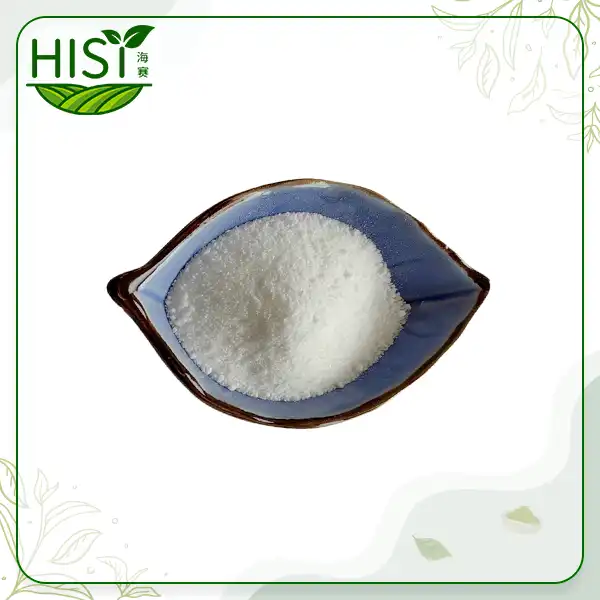
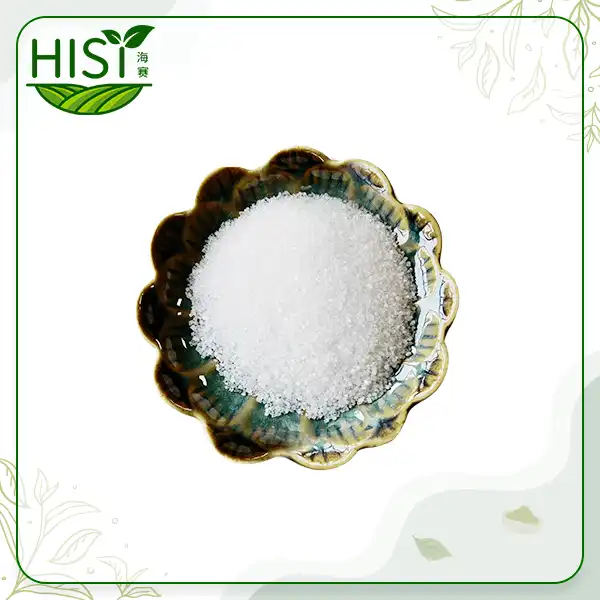
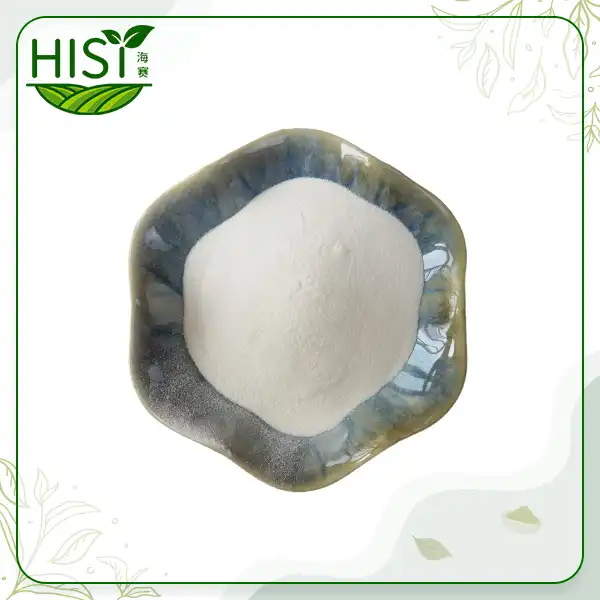
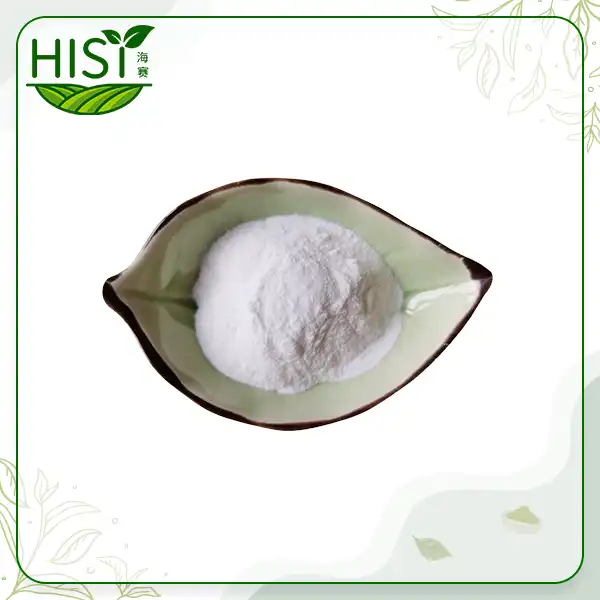
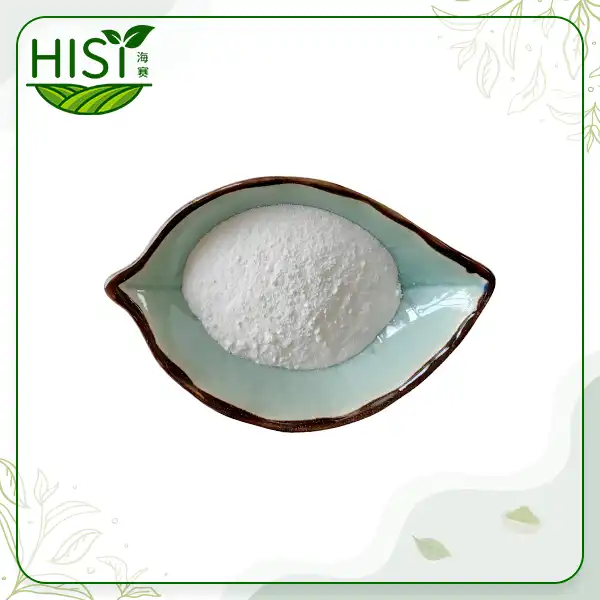
This thing's molecular formula is C8H15NO6, and its exact molecular weight is 221.21 g/mol. NAG is a white, crystalline powder that breaks down quickly in water (up to 250g/L at 25°C). Since it melts between 196°C and 205°C, it stays very stable at high temperatures while it is being worked on. There is no salt in this acetylated form of glucosamine hydrochloride, which makes it more stable in complex emulsions and delivery systems. The normal pH level makes it possible for the mixture to work with many different product patterns without having to make a lot of changes to the buffers.
Biochemical Mechanisms and Health Benefits
As a direct biosynthetic precursor for glycosaminoglycans, NAG is used to make hyaluronic acid in skin tissues. The fact that it moisturises skin so well and slows down the ageing process is due to this metabolic pathway. In a two-way process, NAG stops the production of melanin when mixed with niacinamide. This effectively addresses concerns about hyperpigmentation. The chemical gives cartilage matrix repair base material, which helps keep joints healthy. Regular glucosamine sulphate doesn't work as well in the body as this one does.
Industry Applications Across Sectors
Cosmetic businesses use NAG in products that keep skin moist, fight ageing, and make skin look brighter. Because it doesn't hurt as alpha-hydroxy acids do, the ingredient can be used in skin care items for sensitive skin. People who make supplements for joint health use NAG because it helps connective tissues heal. The chemical also helps protect the walls of the intestines by giving the protective mucin layer in digestive health products a place to stick. NAG is a key nutrient that is used in serum-free cell culture media to help recombinant mammalian cells grow and make therapeutic glycoproteins.
Criteria for Choosing a Reliable N-Acetyl-D-Glucosamine Powder Manufacturer
You need to do more than just compare prices with suppliers if you want to get to know them. It's easy to find out how skilled an N-Acetyl-D-Glucosamine powder maker is with the F-1 Criteria Screening method.
Purity Standards and Analytical Verification
Pharmaceutical-grade NAG has to be at least 99% pure, and HPLC analysis can show that it is. This means that the optical spin has to be between +39.0° and +43.0° to be sure of the D-isomer configuration needed for biological action. The water should not have more than 0.5ppm of heavy metals, mostly lead. You should ask for Certificates of Analysis for the most recent production batches to make sure that the formulation meets your needs. N-Acetyl-D-Glucosamine powder: it is important for manufacturers to provide thorough residue samples that show the lack of N-acetyl-galactosamine and any chitin pieces that might affect how well the product works.
Certification Portfolio and Regulatory Compliance
If you want to sell your products in the United States, getting registered with the FDA is a must. It shows that you follow current Good Manufacturing Practices. With ISO 9001 certification, you can be sure that there is a quality management system in place, and with HACCP certification, you can be sure that all food safety rules are followed during production. These requirements make it easier for regulators to say that your finished goods are safe. Make sure that the companies that make the goods have contracts with approved labs to test them on behalf of other people. This way, a third party can check the claims about quality. There should be records of how each batch was tracked, which would show a clear chain of custody from the raw materials to the finished powder.
Production Capacity and Supply Reliability
Make sure that the manufacturers can meet your growth needs by looking at how much they make each year. Specialised production lines that make more than 200 metric tonnes of goods every year are proof that they can work with others for a long time. How does the business handle its supplies? How long are the wait times? For orders that need to be shipped in 4 to 8 days, manufacturers make sure they have enough stock to handle rush orders. You can find possible weak spots in the supply chain by finding out where they get their raw materials. When one source has problems, people who use both fermentation-based production and chitin from the sea can switch between the two.
Factory-Direct vs. Distributor Sourcing
When compared to dealer prices, buying straight from manufacturers usually saves you 15 to 25 percent. Direct relationships also give you access to technical advice and specifications that are made just for you. Distributors, on the other hand, offer benefits such as consolidated shipping, lower minimum order quantities, and well-known ways to import goods. When choosing the best sourcing channel, you should think about how often you buy things, how much technical support you need, and how well you can handle logistics. For the first stages of developing a product, working with a wholesaler may give you more options. Once production is up and running, working directly with the maker makes more sense.
Comparing N-Acetyl-D-Glucosamine Powder with Alternative Ingredients
Knowing how N-Acetyl-D-Glucosamine powder stacks up against similar chemicals helps support the choice of formulation and cost factors.
Chemical Efficacy: NAG vs. Glucosamine Sulfate
The sulphate content of traditional glucosamine sulphate is about 20% by weight, which makes the product unstable and could cause allergies. The acetyl group on NAG makes it easier for the body to absorb through the intestinal epithelium, skipping the first-pass metabolism in the liver that lowers the bioavailability of glucosamine sulphate. Clinical studies show that NAG needs smaller doses to have the same effects on joint health, which means that it has better cost-per-dose economics even though the raw materials cost more.
Cosmetic Applications: NAG vs. Hyaluronic Acid
While hyaluronic acid directly moisturises the skin because it is a humectant, NAG causes skin cells to make more hyaluronic acid on their own. This difference has long-lasting effects that go beyond topical use. Compared to high-molecular-weight hyaluronic acid, NAG molecules have a smaller size distribution, which lets them go deeper into the skin. Hyaluronic acid moisturises the skin's surface right away, and NAG helps improve the skin's structure over time. Formulations that contain both ingredients work in ways that suit each other.
Cost Considerations and Market Trends
The price of NAG is usually 30–40% higher than the price of regular glucosamine hydrochloride. This is because making NAG is more complicated and requires higher purity standards. But more and more people want ingredients that don't come from shellfish, which drives demand for fermentation-produced NAG, which costs more. A study of the market shows that it is becoming more popular in cosmeceutical uses, where people are willing to pay more for ingredients that have been shown to work. Investing in better NAG usually pays off because the product works better and stands out from the competition.
Procurement Process: How to Source N-Acetyl-D-Glucosamine Powder Efficiently
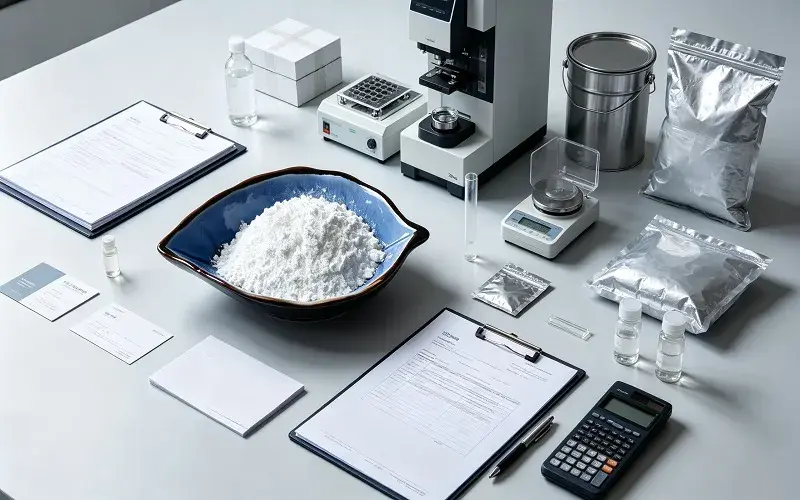
Quality control, ease of logistics, and lowering costs are all important parts of efficient N-Acetyl-D-Glucosamine powder procurement.
Supplier Identification and Due Diligence
Start by making a list of possible producers using business-to-business (B2B) sites, trade shows, and professional networks. Ask for detailed descriptions of the companies you're interested in, such as their production history, building certifications, and client references. Shaanxi Hisy Biotechnology Co., Ltd. was founded in 2008 and has more than 18 years of experience making nutraceutical ingredients. It has a 150 m² production center with four specialised production lines. Because they are in Xi'an, they have easy access to transportation systems that support reliable international shipping. Check what the manufacturer says by doing your own research. Check the FDA establishment register records for companies that do business with the U.S. The contact gave references to check on the reliability of delivery, the speed with which they responded to communications, and their ability to solve problems. Ask for facility audit records or set up site trips when the amount of purchases justifies the cost.
Sample Evaluation and Testing Protocols
Most good manufacturers offer free samples so that you can check the quality. Do a lot of tests, like HPLC purity analysis, optical rotation measurement, figuring out the moisture content, and heavy metal screening. Check the solubility properties in your specific formulation matrix, since compatibility can change based on the other ingredients. Do stability tests under fast conditions to see how the product will break down over the time it is expected to last. Systematically write down sample results and make comparison grids for different providers. This method is based on data, so it gets rid of any emotional bias in choosing suppliers. Request samples from different production lots to see how consistent the product is from batch to batch. Variability can be a sign of problems with quality control.
Pricing Models and Contract Negotiation
NAG's pricing is usually tier-based on the amount of goods ordered, with big discounts available at 100 kg, 500 kg, and 1000 kg. Ask for detailed quotes that make the Incoterms clear. For example, CIF prices include shipping and insurance, but FOB prices need separate logistics arrangements. If you know your true landed cost, you won't be surprised by your budget when you go through customs. Talk to the seller about payment terms while keeping your cash flow needs and their willingness to take on risk in mind. A lot of firms let you buy their products online through safe sites that protect both you and the seller. Long-term supply deals usually give price discounts of 5 to 10 percent while ensuring allocation during times of high demand. Include quality requirements directly in buy agreements and set clear criteria for accepting material and procedures for rejecting material that doesn't meet those criteria.
Logistics and Import Procedures
Work with freight forwarders who know how to ship chemicals and supplement ingredients. For NAG classification under CAS 7512-17-6, the right paperwork is needed, such as Material Safety Data Sheets and import permits for each country. There are different ways to package goods, like 1 kg foil bags and 20 kg drums with two layers of plastic bags to keep the goods safe during transport. Make sure that the manufacturers use moisture-barrier packaging, because NAG's ability to absorb water can make it less stable during long shipping times. Find out what the target country's rules are on supplement ingredients. In order to enter the United States, goods must follow FDA regulations, and to enter the European Union, chemicals must be registered under REACH. To speed up the clearance process, work with customs brokers who know about the rules for nutraceuticals. Customs checks can cause delivery delays of several weeks, so add extra time to your project schedules just in case.
Leveraging Manufacturer Support: Certifications, Quality Assurance, and After-Sales Service
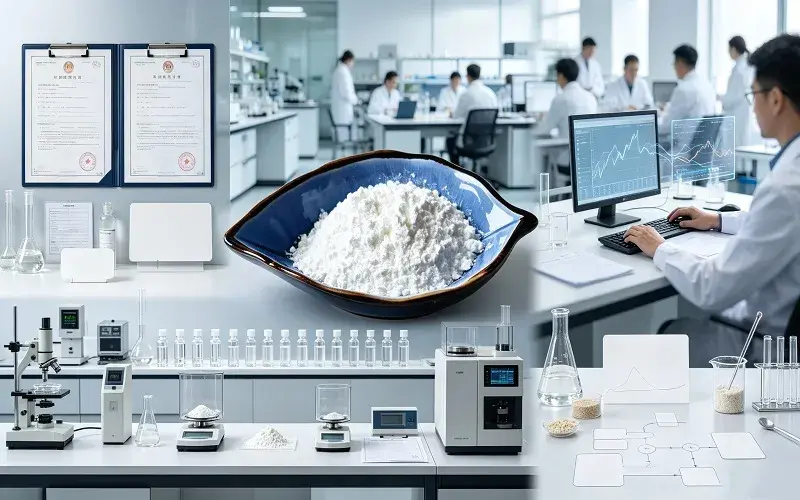
Manufacturer support goes beyond the initial sale and affects the value of the partnership in the long term.
Certification Depth and Documentation
For U.S. market access, FDA registration is the minimum requirement for compliance, but more extensive certification portfolios show a commitment to quality. The ISO 22000 food safety management certification shows that risks are controlled in a planned way throughout the production process. Kosher and Halal certifications help supplement brands that target certain groups of people reach a wider audience. Ask for copies of current certificates and check the dates of expiration and the areas they cover. Instead of just saying that a facility is certified, certificates should say that they cover N-Acetyl-D-Glucosamine. Manufacturers should keep a lot of detailed records, such as accounts of the manufacturing process, quality control methods, and standard operating procedures. This openness makes it easier to meet regulatory standards and do due research. As traditional marine-based production raises worries about shellfish allergens, proof of allergy testing becomes even more important for NAG. This market need can be met by companies that make alternatives that come from fermentation.
Quality Assurance Protocols and Batch Consistency
Strong quality control includes checking the quality of the raw materials, keeping an eye on the work as it's being done, and trying the end product. Instead of taking samples here and there, manufacturers should test every production batch for the full set of specifications. Find out what their quality control laboratory can do, such as how they calibrate their tools and how they train their analysts. Third-party testing arrangements offer independent confirmation, which is especially helpful when a supplier is first being evaluated. Batch uniformity has a direct effect on how well your recipe can be repeated. To look for trends of variation, you can ask for Certificate of Analysis data that goes back six months. Narrow ranges of specifications mean that the process is tightly controlled, while wide ranges of results mean that the making was not uniform. Implementing statistical process control shows advanced quality management because it uses trend analysis to find process drift before standards are broken.
Technical Support and Formulation Assistance
Manufacturers with a lot of experience offer more than just basic ingredient supply. Technical teams should give advice on the best ways to incorporate NAG, taking into account issues like its ability to absorb water and react badly to heat during processing. Based on their many years of experience formulating, they can suggest processing temperatures, mixing sequences, and excipients that work well with the product. This advice cuts down on the time it takes to develop your product and keeps you from making mistakes that cost a lot of money. When fixing, responsive contact is very important. Instead of sending questions to non-technical sales reps, manufacturers should keep their technical staff open and available. Check the quality of contact and reaction time during pre-purchase interactions, as these patterns tend to stay the same throughout the business relationship. Language skills are very important. Companies that sell to foreign markets should have technical partners who can speak English so that they can talk about difficult formulation problems without any problems.
Conclusion
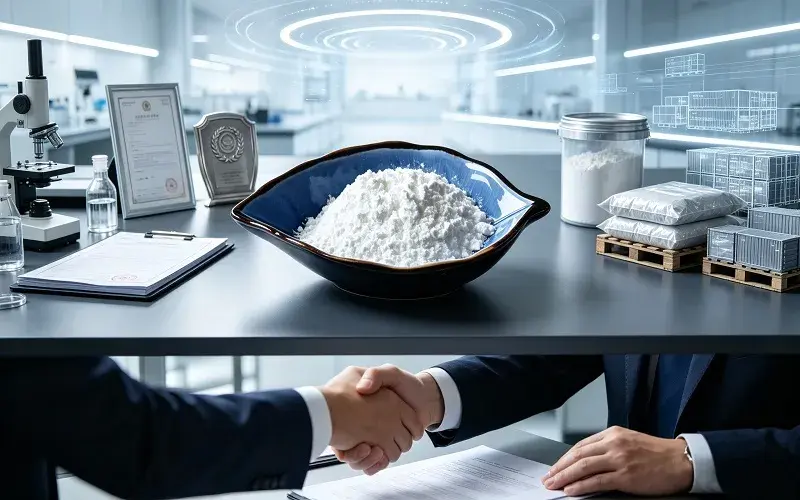
Choosing the right N-Acetyl-D-Glucosamine powder manufacturer has a big effect on the quality of your product, your ability to follow the rules, and your ability to compete in the market. This in-depth evaluation process looks at technical details, the validity of certifications, the supply chain, and the possibility of forming a partnership. By using organised criteria and doing a lot of research, you can build relationships with suppliers that meet both your short-term needs and your company's long-term growth. Spending time and money to carefully check out manufacturers pays off in the form of consistent product performance, regulatory trust, and a steady supply chain that is necessary for creating successful cosmetic, pharmaceutical, and nutraceutical brands.
FAQ
What purity level should I specify for my application?
For pharmaceutical and cosmetic uses, the quality must be at least 99%, as tested by HPLC, to meet regulations and keep the mixture stable. For uses that are safe for food, 98% purity may be enough, but higher purity usually works better. Always ask for Certificates of Analysis that confirm the purity levels needed for the purpose.
How can I verify a manufacturer's NAG is allergen-free?
Ask for proof of allergy testing, preferably ELISA testing for crab protein residues. Fermentation-derived NAG is naturally allergen-free, and DNA testing confirms that it does not contain any shellfish-derived material. Manufacturers should give you allergy statements to back up your labelling rules.
What factors affect NAG pricing?
The way the material is made has a big effect on its price; fermentation-derived material costs more than NAG taken from shellfish. Prices are also affected by the number of orders, the purity requirements, and the certification needs. Materials made for pharmaceutical use will likely cost 15 to 20 percent more than materials made for food use.
What shelf life can I expect for NAG powder?
When stored correctly, NAG stays in good shape for 24 to 36 months as long as it is kept dry and below 25°C. Because they are hygroscopic, they need to be sealed in cases that keep wetness out. Ask for stable study data that confirms the shelf life under the settings you plan to store the product.
Partner with Hisy for Premium N-Acetyl-D-Glucosamine Powder Supply
Shaanxi Hisy Biotechnology Co., Ltd. is a reliable company that makes N-Acetyl-D-Glucosamine powder. They offer pharmaceutical-grade quality and have 18 years of experience working with nutraceutical ingredients. Our plant is FDA-registered, ISO- and HACCP-certified, and it makes more than 200 metric tonnes of food every year. This means that you can count on a steady supply for your growing needs. We promise that it is at least 99% pure, which has been proven by strict HPLC testing. The optical rotation and heavy metal specifications meet the highest international standards. Our expert team offers full formulation support that is tailored to your unique needs, whether you are making cosmetics, supplements for joint health, or biotechnology products. Get free samples, unique quotes, and expert advice that speeds up the development of your product by emailing sales@hisybio.com right now.
References
1. Glucosamine and N-Acetylglucosamine: Biochemical Properties and Therapeutic Applications in Joint Health. Journal of Nutritional Biochemistry, 2021.
2. Comparative Analysis of Amino Sugar Derivatives in Cosmeceutical Formulations: Efficacy and Stability Considerations. International Journal of Cosmetic Science, 2020.
3. Quality Control and Analytical Methods for N-Acetyl-D-Glucosamine in Pharmaceutical Manufacturing. Pharmaceutical Technology Magazine, 2022.
4. Supply Chain Management in Nutraceutical Ingredient Procurement: Best Practices for B2B Buyers. Food and Supplement Industry Journal, 2023.
5. Regulatory Requirements for Amino Sugar Supplements in International Markets: FDA, EFSA, and Health Canada Guidelines. Regulatory Affairs Professionals Society, 2022.
6. Fermentation-Derived vs. Marine-Sourced N-Acetylglucosamine: Production Methods, Cost Analysis, and Market Trends. Biotechnology Progress, 2021.