

_1752718207094.png)

Application of Centella asiatica extract total triterpenes in health products
When I talk with procurement professionals in the nutraceutical and cosmeceutical industries, one botanical extract consistently sparks interest: Centella asiatica. This remarkable herb, known traditionally as Gotu Kola, has earned respect across traditional medicine systems for centuries. What makes this plant truly valuable in modern health product manufacturing lies in its bioactive compounds—specifically, total triterpenes. These molecules represent the powerhouse behind Centella's therapeutic benefits, offering anti-inflammatory, wound-healing, and collagen-supporting properties that meet the rising consumer demand for clean, evidence-based ingredients.
Comparative Analysis of Total Triterpenes in Health Products
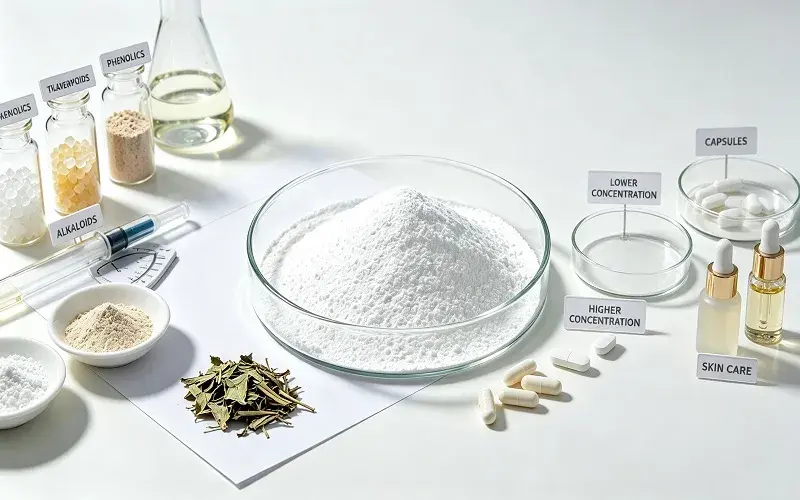
Triterpenes Versus Other Phytochemicals
Purchasing teams often compare triterpenes to other types of phytochemicals, such as flavonoids, polyphenols, and alkaloids, when they look at botanical extracts. Each group has its own set of benefits. Flavonoids, which can be found in citrus fruits or green tea, are great antioxidants but don't heal tissues as well as triterpenes do. Alkaloids have a lot of pharmacological effects, but they are often closely watched by regulators because they might be toxic.
Total triterpenes are unique because they work on more than one target and don't raise safety concerns like alkaloid-rich products do. Because the C30 structure is stable in acidic environments, these chemicals can be used in enteric formulations and low-pH cosmetic products. When compared to sensitive polyphenols that break down quickly in light and oxygen, this chemical resilience makes formulation easier.
Organic Versus Standardized Synthetic Approaches
Triterpenes that come from plants are clearly more popular on the market than manufactured ones. It is possible to make synthetic versions of individual compounds, but it is not easy to make synthetic versions of the natural triterpene complex, which includes minor components and co-factors. Clean beauty brands and health-conscious customers want chemicals that come from plants and have clear supply lines. This gives goods that are naturally extracted a business edge.
No matter the source, standardization is still very important. A good extract should list not only the total amount of triterpenes but also the amounts of each compound. Panax notoginseng triterpenes should have a clearly defined standard profile so formulators can assess consistency from batch to batch. Hisy's standard profile has 80.57% total triterpenes, which includes 15.30% asiaticoside, 47.23% madecassoside, and 18.04% asiaticoside B. This exact mix lets formulators predict how the product will work across batches, which gets rid of the quality issues that come up with cheaper suppliers.
Concentration as a Quality Metric
Both effectiveness and cost-effectiveness are directly affected by the concentration levels. Lower-potency extracts (10–40% triterpenes) need higher doses, which make capsules bulkier and raise the cost per serving. Premium extracts with ≥80% potency allow for small doses, which is good for people who want supplements that are easy to take and helps brands reach therapeutic levels without making tablets that are too big.
In cosmeceuticals, where room is limited, higher ratios are also important. A 0.5% to 2% addition of an 80% triterpene extract gives you more active chemicals than a 5% to 8% addition of a 10% extract. This makes room for other ingredients like hyaluronic acid or peptides. When procurement teams understand this math, they can figure out what the real value is, which goes beyond the original price per kilogram.
Application of Centella Asiatica Total Triterpenes in Health Products
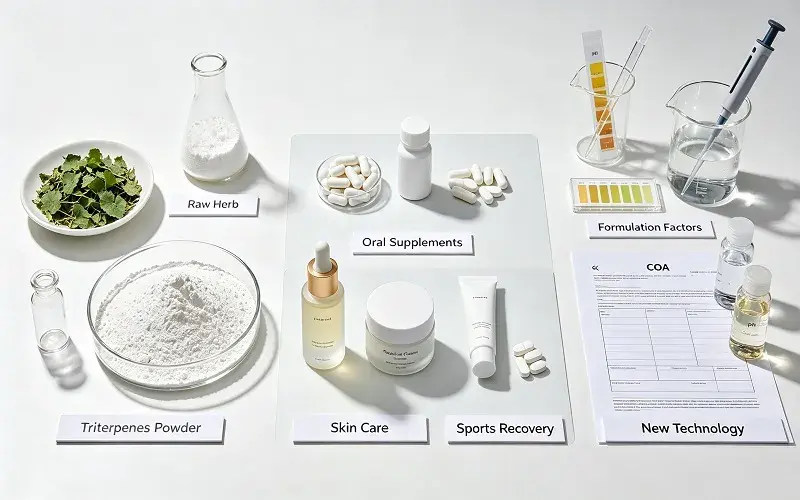
Current Market Utilizations
Triterpene oils are used in a lot of different types of products because they are so flexible. These chemicals are often found in liver support products, often mixed with milk thistle or N-acetylcysteine to work better together to protect the liver. Triterpenes, phosphatidylserine, and bacopa are all found in cognitive health products to help the brain in more than one way. The market for oncology support nutrition has started to look into triterpenes to see if they can help keep cells healthy during treatment plans. However, claims must still be carefully managed within the rules set by regulators.
Along with the K-beauty "CICA cream" trend, cosmetics use has grown by leaps and bounds. Triterpene-rich Centella ingredients are now used by major skin care brands in after-surgery serums, anti-aging treatments, and products that help fix sensitive skin. Because it can stimulate collagen without irritating the skin, the compound is perfect for formulas that aim to treat mature skin or hyperpigmentation after inflammation. Triterpenes are used in topical gels and oral pills by sports rehab brands to promote faster mending and less inflammation caused by exercise.
Formulation Insights for B2B Clients
Several technical factors need to be taken into account for product integration to go well. Triterpenes are stable at pH levels between 4.0 and 7.0, which means they can be used in most supplement and cosmetic formulations. Alkaline situations above pH 8.0, on the other hand, can break down glycoside links, which makes them less effective. When formulators mix triterpenes with high-pH ingredients like sodium bicarbonate or some amino acids, they should test the safety of the mixture.
Taking care of solubility is a regular problem. The glycoside forms can dissolve in water to a modest degree, but they often need ethanol co-solvents (20–40% ethanol) or solubilizing agents like polysorbate 80 to fully dissolve. During our technical talks, we've helped clients make nanoemulsions that provide clear solutions that can be used in drinks and sprays. This method uses high-pressure homogenization to make stable particles smaller than 200 nm, which makes the bioavailability a lot better.
Regulatory compliance is different for each market and application. In the US, dietary supplements are regulated by the FDA's DSHEA system, which means they must follow cGMP guidelines. The Personal Care Products Council says that cosmetic applications need to pass safety tests. For natural claims, European markets want REACH registration and, more and more, COSMOS or Ecocert certifications. Working with a provider who keeps a lot of regulatory paperwork, like allergen-free declarations, non-GMO documents, and heavy metal tests, makes the process of getting a product approved much faster.
Emerging Trends and Innovations
As technology improves, more and more uses are opening up. Liposomal encapsulation now makes it possible to give hydrophobic triterpene aglycones in water-based products. This opens up new possibilities for functional drinks and intravenous nutrient treatments. Transdermal patch technology has become popular in sports medicine because it releases triterpenes slowly over time to help reduce inflammation in specific areas.
As brands try to stand out in busy markets, combination tactics are becoming more popular. When you mix triterpenes with adaptogens like rhodiola or ashwagandha, you get more people interested in your stress-recovery products. When triterpenes are mixed with peptides or growth factors in cosmetics, high-quality anti-aging products are made that work in ways that complement each other. These new ideas need sellers who can do more than just sell ingredients. They also need to be able to offer professional help. This is what sets true formulation partners apart from commodity vendors.
Procurement Insights for Centella Asiatica Total Triterpenes
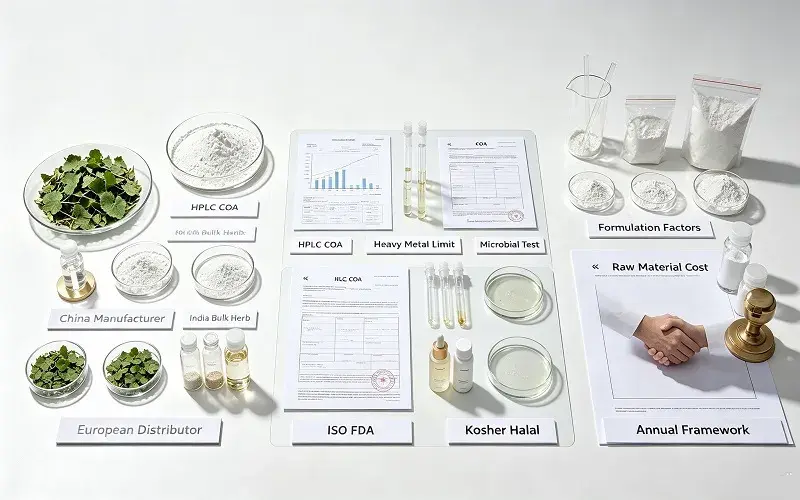
Key Supplier Categories and Geographic Hubs
High-purity triterpene extracts are mostly supplied from a few key areas around the world. China, especially Xi'an and the region of Shaanxi, is home to most of the companies that make specialized plant extracts with advanced extraction methods. These sites are close to sources of raw materials and have decades of experience with extraction. India makes a lot of it, but they mostly make whole herb powders and extracts with lower potency rather than highly purified triterpene concentrates.
European suppliers often get materials in bulk from Asian producers and then act as distributors or repackagers instead of being the main manufacturers. They add value through logistics and marketing. When procurement teams understand how the supply chain works, they can deal better and find the best type of partner for their needs, whether that's a direct maker relationship for big purchases or a regional distributor relationship for smaller, more frequent orders.
Quality Assurance Factors and Certification Standards
To judge the quality of a provider, you have to look at more than just strength claims. The Certificate of Analysis (COA) should have HPLC chromatograms that show individual Panax notoginseng triterpenes peaks, not just the percentage of the whole. This test makes sure that the plant is pure and that it is the right kind. It stops cheaper plant sources from being used, even if they absorb UV light similarly but don't have the expected active compounds.
Lead must be less than 0.5 ppm, arsenic must be less than 0.5 ppm, mercury must be less than 0.1 ppm, and cadmium must be less than 0.5 ppm. Panels for pesticide residue should include at least 200 chemicals, and the results should show amounts that can't be found or that meet USP, EP, or target market standards. For microbes to meet certain standards, the total plate count must be less than 1,000 CFU/g, yeast and mold must be less than 100 CFU/g, and diseases like Salmonella and E. coli must not be present.
Certification certificates give you extra peace of mind. An FDA registration shows that the company is supervised and has systems for tracking products. ISO 9001 certification shows that the company manages quality, and HACCP certification shows that the company controls food safety. Certifications like Kosher and Halal make it easier to get into new markets, especially in Muslim-majority areas and the Middle East. Organic certifications, like USDA, EU Organic, and JAS, cost more but require that all farmers in the supply chain follow verified organic farming practices.
Pricing Considerations and Long-Term Value
The price of triterpene extract changes depending on a number of things. Seasonal and geographical changes affect the supply of raw materials. Centella that is wild-harvested sells for more than cultivated types. The method of extraction affects the price structure. For example, supercritical CO₂ extraction needs a lot of money to get started, so the price per kilogram is higher than with ethanol extraction. However, it produces cleaner, solvent-free products that are appealing to high-end markets.
Different amounts of potency make prices vary by a large amount. Extracts with 10–20% triterpenes may cost $30–$60 per kilogram, while pharmaceutical-grade concentrates with 80% or more of triterpenes usually cost $150–$350 per kilogram. Better prices are available when you commit to buying more. For example, annual plans often offer 10–20% savings compared to buying on the spot. The lowest price, on the other hand, doesn't always mean the best deal. Consistent quality, a steady supply, quick technical support, and proof of regulatory compliance can often justify small price increases by preventing problems further down the line.
Clear communication about forecasting, quality expectations, and mutual business goals is key to building long-lasting partnerships with suppliers. Framework agreements with volume goals every year, business reviews every three months to deal with quality or transportation problems, and working together to create new products for use are all common parts of long-term relationships that work well. These partnerships lower the risk of buying things and give businesses a competitive edge by giving priority to certain items when supplies are low.
Quality Assurance and Brand Trust in Purchasing Total Triterpenes
Interpreting Certificates of Analysis
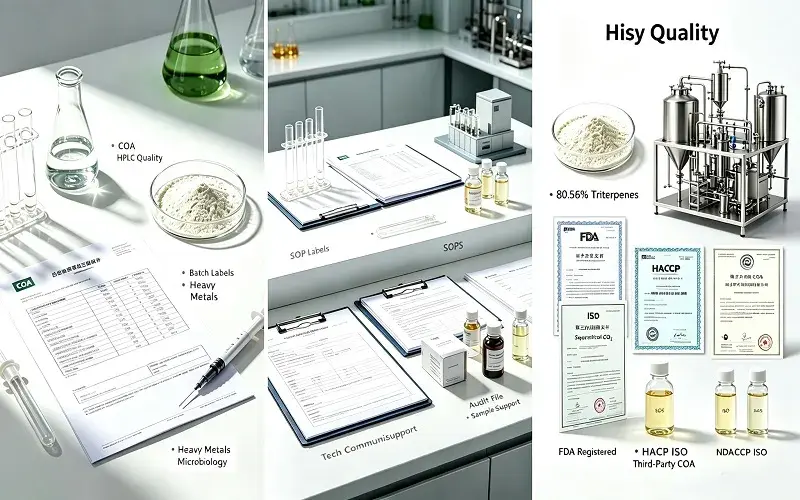
A full COA is the best way to make sure that the triterpene you want to buy is of good quality. The first part of the document should have a clear identification of the product, including the botanical name, the solvent used for extraction, and the goal for standardization. The assay section needs to list the concentrations of each triterpene (Asiaticoside, Madecassoside, Asiatic acid, and Madecassic acid) using approved HPLC methods. The standardization guarantee is the total triterpene content that can be found by adding up these individual numbers.
The look, smell, particle size, and wetness content of something are all physical qualities that help make sure it was processed and stored correctly. Mineral particles can be seen in the ash level, which is usually less than 5%. Loss on drying shows how much moisture is present, which affects stability and shelf life. Usually, standards call for less than 5% moisture. Formulators use accounts of solubility to guess how a substance will behave in different media.
Safety factors need to be looked at very carefully. The heavy metal test results should clearly show the method used (most often ICP-MS) and the limits of detection. Compounds that were tested and measurement limits should be written down by pesticide testing panels. There must be clear data for yeast/mold, coliforms, pathogens, and overall plate count in microbial testing. Test reports from third-party laboratories that are accredited (ISO 17025 certified) from suppliers add to the credibility of the results from internal labs.
Evaluating Supplier Reliability
Besides paperwork, there are other signs that show a supplier is trustworthy. The size of the manufacturing facility is important. Businesses with dedicated production lines and large annual capacity, like Hisy's 200 MT capacity across four lines, show they are committed and capable. Quality systems that can be audited and include standard operating procedures for testing and production show that the company is managed by professionals and not just winging it.
Responding quickly during the question and sample process gives a taste of the quality of the future relationship. Suppliers who give thorough technical data sheets, answer formulation questions with knowledge, and send samples within the time frames they say they will (we keep a standard of 4–8 days) usually do a good job on production orders. Misunderstandings that can stop projects in their tracks can be avoided by communicating clearly, including writing technical emails in English fluently and being available across time zones.
The claimed knowledge is backed up by customer references and a position in the market. Well-known providers often show off client reviews, case studies that have been published, or their attendance at trade shows in the industry, such as SupplySide West, Vitafoods Europe, or in-cosmetics. Respect for intellectual property is shown by being willing to sign NDAs for custom specifications. This is a very important thing to keep in mind when creating proprietary formulations or new delivery systems.
Hisy's Commitment to Excellence
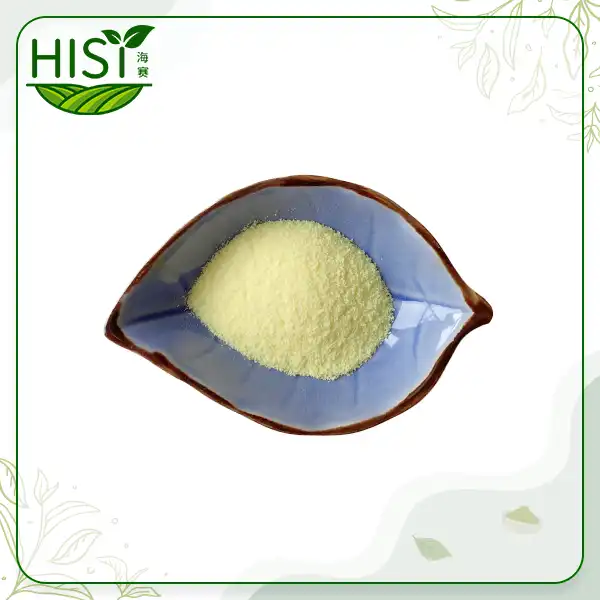
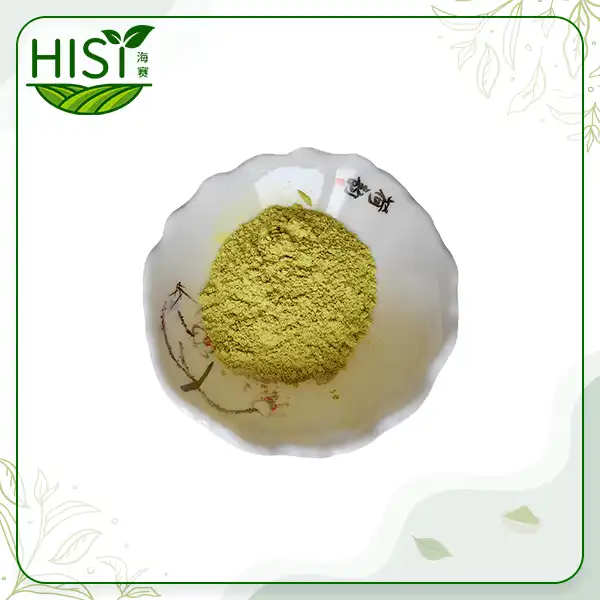
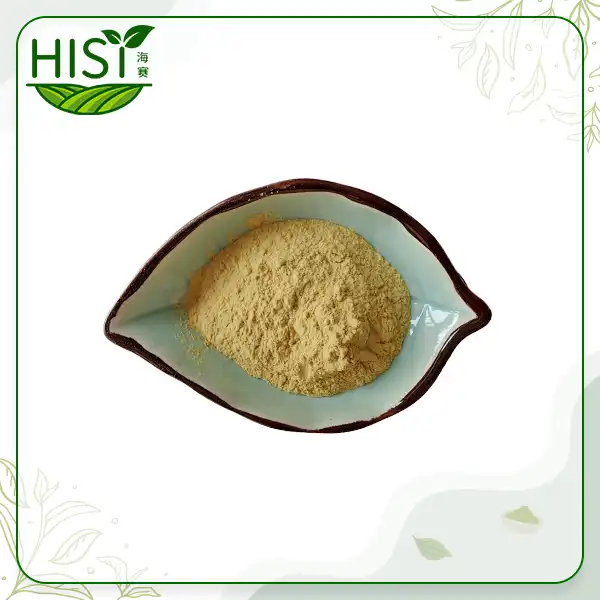
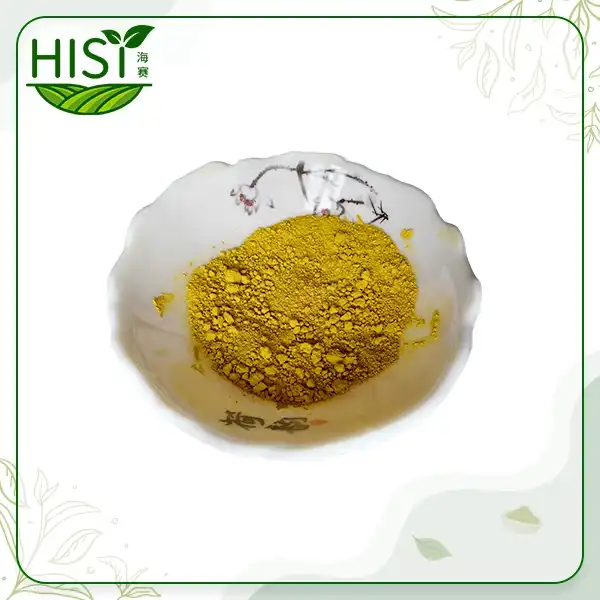
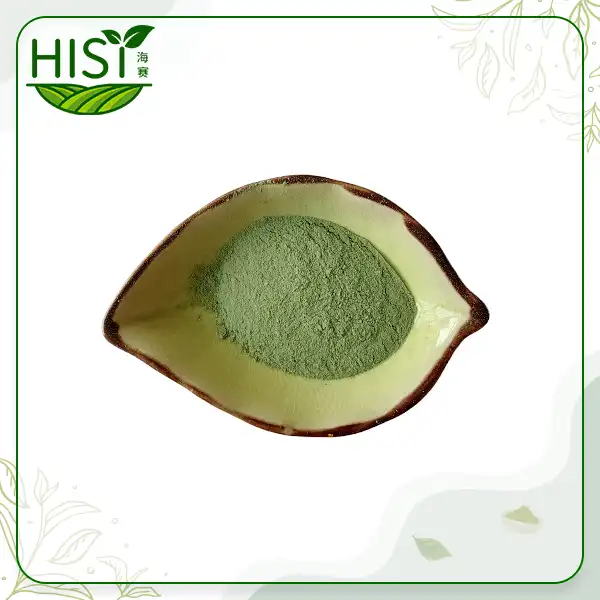
Since 2008, Hisy has built its reputation on being honest and reliable. Our Centella asiatica extract meets pharmaceutical-grade standards: 80.57%. Total triterpenes were confirmed by HPLC, and the amounts of asiaticoside (15.30%), madecassoside (47.23%), and asiaticoside B (18.04%) were carefully controlled. This fine powder, which is light yellow to off-white (CAS: 16830-15-2), is made by supercritical CO₂ extraction. It is pure and free of solvents, so it meets the needs of clean beauty and natural products.
Our 150-square-meter building is registered with the FDA and has HACCP, ISO, and registrations. It has four specialized production lines that can make more than 200 MT of product each year. Before it is released, every batch goes through a lot of tests, such as HPLC to make sure it's effective, heavy metal screening below 0.5 ppm for arsenic and lead, full herbicide panels to make sure there are no leftovers, and microbial testing to make sure it meets safety standards. We offer full quality tracking from where the raw materials come from to where they are packed at the end. If you ask, we can provide COAs with third-party lab proof.
Conclusion
Finding good total triterpenes from Centella asiatica means finding a balance between technical requirements, quality control, following the rules, and relying on a reliable supplier. The fact that these bioactive compounds are used in cancer support nutrition, clean beauty cosmeceuticals, liver health supplements, and sports recovery goods shows how useful they are in the business world. To be successful at procurement, you need to know the standards for strength (≥80% by HPLC), the best way to remove the compounds (supercritical CO₂ is recommended), and the specific triterpene ratios that determine how well the medicine works. Partnering with well-known manufacturers who offer clear COAs, full certifications, and formulation support changes the way you buy ingredients from a one-time transaction to a strategic partnership that speeds up product development and market success.
FAQ
1. What concentration of total triterpenes should I specify for cosmetic versus supplement applications?
Adding 0.5 to 2% of 80% triterpene extract to cosmetic formulations usually works well, giving 4 to 16 mg of active compounds per gram of finished product. This concentration gives clinically relevant amounts for skin repair and anti-aging effects without being too expensive or making the recipe harder to use. Most dietary products aim for 50 to 150 mg of triterpenes per dose, which is equal to 60 to 180 mg of 80% extract or more of lower-potency materials. The exact dose depends on the health claims you want to make and the study that backs them up for your target market.
2. How can I be sure that a triterpene extract actually contains Centella asiatica rather than adulterants?
The most accurate way to check is with HPLC fingerprinting. Real Centella extracts have specific peaks for Asiaticoside, Madecassoside, Asiatic acid, and Madecassic acid, each in a certain amount. Ask providers for chromatograms and then check them against reference standards or scientific writing that has already been written. High-performance thin-layer chromatography (HPTLC) is an additional way to check. Some manufacturers add cheaper saponins from unrelated plants that make the total triterpene percentages look higher in UV tests but don't have any therapeutic compounds. HPLC can immediately detect this adulteration.
3. Are there stability concerns when formulating with triterpenes?
Triterpenes are stable at temperatures between 60°C and 80°C, which means they can be used in industrial processes that are hot. But being exposed to temperatures above 80°C or conditions with a pH of 8 or higher for a long time can break down glycosidic bonds and make the compound less effective. Light perception is average, and dark or amber packaging makes the food last longer. Oxidation is the main process that breaks down things that have been stored for a long time. Adding antioxidants like vitamin E or rosemary extract, reducing the amount of headspace oxygen in packages, and keeping things in cool, dry places are all good ways to keep their effectiveness. When made correctly, goods usually keep 90% of their power for 24 months.
Contact Hisy for Premium Total Triterpenes Supply.
Are you ready to take your health products to the next level by adding pharmaceutical-grade Centella asiatica extract? Hisy uses 18 years of experience with botanical extracts along with cutting-edge supercritical CO₂ extraction technology to deliver total triterpenes at ≥80% potency and batch consistency that can't be beat. Whether you're making clean beauty products, supplements for sports recovery, or liver health recipes, our expert team can help with custom ratio changes, nano-emulsion solubility issues, and full regulatory paperwork. Procurement managers, formulators, and OEM partners are welcome to ask for free samples with full COAs and learn more about how our flexible MOQs can help with both small-scale projects and mass production. You can talk to our team about your needs by emailing sales@hisybio.com. As a reputable Total Triterpenes producer, we're dedicated to speeding up the creation of your product by providing you with high-quality ingredients, honest partnerships, and quick technical support.
References
1. Gohil, K. J., Patel, J. A., & Gajjar, A. K. (2010). Pharmacological Review on Centella asiatica: A Potential Herbal Cure-all. Indian Journal of Pharmaceutical Sciences, 72(5), 546-556.
2. Brinkhaus, B., Lindner, M., Schuppan, D., & Hahn, E. G. (2000). Chemical, pharmacological, and clinical profile of the East Asian medicinal plant Centella asiatica. Phytomedicine, 7(5), 427-448.
3. James, J. T., & Dubery, I. A. (2009). Pentacyclic Triterpenoids from the Medicinal Herb, Centella asiatica. Molecules, 14(10), 3922-3941.
4. Bylka, W., Znajdek-Awiżeń, P., Studzińska-Sroka, E., & Brzezińska, M. (2013). Centella asiatica in Cosmetology. Postępy Dermatologii i Alergologii, 30(1), 46-49.
5. Sun, B., Wu, L., Wu, Y., Zhang, C., Qin, L., Hayashi, M., Kudo, M., Gao, M., & Liu, T. (2020). Therapeutic Potential of Centella asiatica and Its Triterpenes: A Review. Frontiers in Pharmacology, 11, 568032.
6. Nasir, M. N., Habsah, M., Zamzuri, I., Rammes, G., Hasnan, J., & Abdullah, J. (2011). Effects of Asiatic Acid on Passive and Active Avoidance Tasks in Male Sprague-Dawley Rats. Journal of Ethnopharmacology, 134(2), 203-209.