

_1752718207094.png)

How to detect total triterpenes content in Centella asiatica extract?
Detecting total triterpene content in Centella asiatica extract requires High-Performance Liquid Chromatography (HPLC) as the gold-standard method, measuring individual compounds such astotal triterpene to accurately quantify bioactive concentrations. This analytical approach ensures batch consistency, validates supplier claims, and meets regulatory requirements for pharmaceutical-grade raw materials. Unlike traditional UV spectroscopy, HPLC provides compound-specific identification, preventing adulteration and guaranteeing the potency essential for clean beauty formulations, liver health supplements, and oncology support nutrition.
Common Challenges in Detecting Total Triterpenes Content
Natural variations in botanical extracts make it hard for quality control teams to do accurate analysis. Triterpene profiles in notoginseng from different parts of the world change because of differences in soil minerals, rainfall patterns, and farming methods. A batch from the Yunnan area might have 12% total saponins, but material from Guangxi might only have 8%, even though the separation methods are the same. This lack of stability makes it harder to compare vendors and poses a risk to product uniformity across production cycles.
Limitations of Traditional Detection Techniques
Colorimetric tests and simple UV spectroscopy are not accurate enough for pharmaceutical-grade procurement. When UV-Vis methods are used to measure broad-spectrum chromophores, flavonoids, chlorophyll residues, and other phenolic compounds are measured along with the target triterpenes. Cross-reactivity usually makes stated amounts 15–30% higher than they really are, which can lead to false certificates of analysis. The vanillin-sulfuric acid colorimetric test is inexpensive, but it can't distinguish between ginsenoside Rb1 and impurities with similar structures. This means it can't be used for tasks that need exact monomer ratios.
Interference from Co-Extracted Compounds
The precision of detection is greatly reduced when polysaccharides, proteins, and colors are present in crude extracts. When spectroscopic analysis is done, these matrix components soak up UV light at wavelengths that match with Triterpene active compounds peaks. This causes false-positive readings. Quantification is also made harder by saponins, which are physically similar to but different from notoginseng triterpenes. These can come from co-processed herbs, for example. Analysts can't tell the difference between therapeutic notoginsenosides and non-bioactive triterpenes without chromatographic separation. This makes formulation effectiveness and regulatory compliance at risk.
Batch Consistency and Supplier Reliability Issues
Fraudulent sellers can mix high-quality extracts with lower-quality botanical fillers because monitoring methods aren't good enough. Because of the lack of compound-specific verification, expensive notoginseng triterpenes can be replaced with cheaper ones, such as soybean saponins, which absorb UV light similarly but have no therapeutic value. Because of this inconsistent quality, producers have to go through expensive rounds of reformulation when they switch suppliers. Setting up strong analytical protocols is essential for procurement teams that want to build long-term relationships with reliable raw material suppliers.
Advanced Methods to Detect Total Triterpenes Content in Centella Asiatica Extract
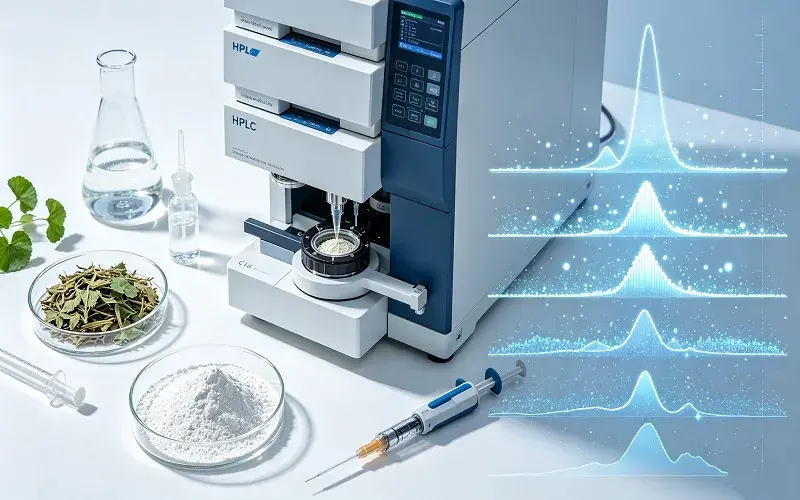
High-performance liquid chromatography is the standard method for measuring total triterpenes because it combines high resolution with the ability to find specific compounds. This method breaks down complicated mixes into their constituent parts based on how they react with a fixed phase. This lets the exact amount of each ginsenoside in the extract be measured. These days, HPLC systems with diode array detectors can measure amounts as low as 0.01%, which makes them perfect for checking supplier claims of 80% purity in premium botanical ingredients.
HPLC Method Development and Validation
To create a strong HPLC protocol, the mobile phase composition, column selection, and gradient programming must all be carefully optimized. A common method uses a C18 reversed-phase column with acetonitrile-water gradients to separate the major notoginsenosides within 45 minutes. The process of confirmation must show that it is linear across the expected concentration ranges (0.05–5.0 mg/mL), that it can be repeated with relative standard errors below 2%, and that it has recovery rates higher than 95%. These strict performance standards make sure that the analytical data accurately shows the composition of the extract. This backs up the quality claims made on certificates of analysis, which procurement teams carefully read when they are evaluating vendors.
Complementary Spectroscopic Techniques
Fourier-transform infrared spectroscopy is a quick way to check the identity of plants without having to do a lot of work on the samples. The characteristic absorption bands at 2930 cm⁻³ (C-H stretching) and 1050 cm⁻³ (C-O stretching) show that triterpene structures are present, while differences from reference spectra show right away that the sample might be fake. When UV-Vis spectroscopy is combined with HPLC data, it provides useful supporting proof. UV absorption profiles at 203 nm aren't enough to find gross contamination on their own, but they help check for stability during accelerated aging studies that are needed to figure out how long a product will last.
Emerging Technologies for Rapid Quality Control
Near-infrared spectroscopy is becoming more popular for testing in warehouses because it can give results in two minutes instead of an hour like HPLC does. NIRS devices look at the vibrations of molecules to guess the amount of triterpenes present using chemometric models that have already been measured. Even though it's not as accurate as chromatography (error rates of about 3% on average), the speed advantage makes it perfect for screening a lot of raw materials at once. Using mass spectrometry and liquid chromatography together (LC-MS) increases the sensitivity of measurement to the nanogram level. This makes it possible to find small amounts of contaminants and confirm which ginsenoside isomers make notoginseng different from similar Panax species.
Practical Implementation in Bulk Procurement
The best plant extract providers now include HPLC chromatograms with every package, which show the exact concentration of 10 to 15 different triterpenic compounds. This level of openness lets quality assurance teams keep an eye on differences between batches and spot problems that are happening more often before they affect production. When looking at a new supplier, asking for HPLC data for three batches in a row shows how consistent their process is, better than any assurance given over the phone. Digitally overlaying chromatographic fingerprints makes comparisons quick and easy, revealing differences that need more research before large-scale purchases are approved.
Interpreting Detection Results and Quality Control Best Practices
To understand the numbers in analytical reports, you need to know about industry standards and the specific needs of your application. When standardized by gravimetric methods after HPLC purification, premium notoginseng extracts usually have 8–15% total triterpenes saponins, which are measured as triterpene active compounds. Ginsenoside Rg1 levels of 2 to 4 percent and notoginsenoside R1 levels of 1 to 2 percent in this part show high-quality raw material that can be used to make cardiovascular supplements. These levels are very different from the requirements for Centella asiatica, where a madecassoside content above 45% means the product is very pure and can be used on the skin.
Key Metrics and Industry Thresholds
Certificates of analysis need to list both the total amount of triterpenes and the ratios between the main parts. If the Rg1/Rb1 ratio is between 1.5 and 2.5, it means that the processing was done correctly. If it's not, it means that the material has been damaged by heat or the wrong extraction solvents were used. Heavy metal contamination must stay below strict limits (lead <0.5 ppm, arsenic <0.5 ppm) for procurement teams to make sure that market access in regulated areas is not affected. Screening for organophosphates and organochlorines in pesticide residues keeps crops from getting contaminated, which could make whole production batches unsellable.
Application-Specific Purity Requirements
Clean beauty brands that make reparative serums need triterpene extracts that have little to no color or smell. This means that extra steps of purification are needed, which lowers yields but improves the product's appearance. For these uses, concentrations in the upper standard range (≥80%) work best because they allow low inclusion rates of 0.5 to 2% while still keeping the mixture stable. On the other hand, liver health supplements focus on being cost-effective, taking purity grades of 40 to 60% when daily dose sizes can handle higher extract amounts. Microencapsulation is used to make water-dispersible forms of sports recovery drinks. The triterpene level is tested after processing to take into account the addition of carrier material.
Documentation and Regulatory Compliance
Full quality records include more than just test results; they also include batch traceability records, stability study summaries, and descriptions of the manufacturing process. GMP-certified facilities keep thorough production logs that show that critical control points are being monitored during the extraction, purification, and packing stages. Non-GMO claims backed up by PCR testing, allergen-free claims proven by ELISA testing, and cruelty-free certifications proven by ingredient source checks are all parts of the regulatory package needed to get into the North American market. This paperwork is the basis for open business-to-business relationships, which means that buyers can confidently tell their downstream customers and regulatory authorities about how they source goods.
Procurement Insights for Total Triterpenes in Centella asiatica extract
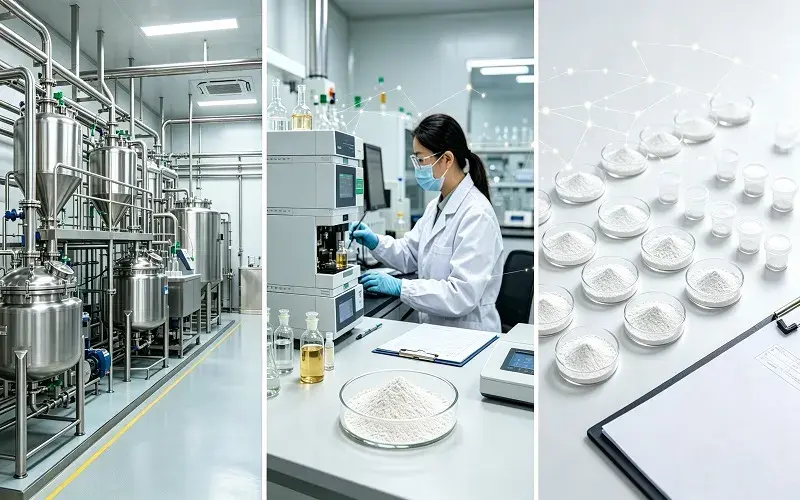
Analytical rigor and business realism must be balanced in order for sourcing strategies to work. Checking a possible supplier's analytical skills is the first thing that should be done. Asking for photos of the facility with HPLC equipment, looking at the qualifications of analysts, and reading method validation reports all build technical trust. The best producers have various production lines that are only used for certain types of plants. This keeps the chemical fingerprint from getting messed up by cross-contamination. A production capacity of more than 200 MT per year and consistent batches across quarters are signs of a mature process that smaller businesses can't match.
Supplier Selection Criteria
Procurement experts should look at more than just a supplier's inventory of equipment to figure out how quality-conscious they are by how quickly they respond to technical questions. A company that is willing to change the ratios of triterpene monomers or make custom versions that are easier to dissolve shows that they have the research and development skills that can help it stand out with its products. Before you buy a 25-kg drum, ask for 1-kg pilot samples that can be delivered quickly (4–8 days) so you can see how well the material works in your specific formulation. Suppliers with flexible minimum order quantities—from small amounts for prototypes to full container loads—are better able to adapt to changing growth patterns than suppliers who only sell in bulk.
Commercial Terms and Logistics
Botanical extract prices change based on farming yields, liquid costs, and the cost of following the rules. Setting up yearly framework contracts locks in good rates and makes sure that supplies will keep coming even during times of high demand. For new customers, payment terms usually start with a 30% deposit and the rest due against the bill of lading. As trust grows through consistent quality delivery, terms move to net-30 or net-60. To avoid costly port delays that throw off production schedules, international shippers need to carefully fill out their customs paperwork. This includes phytosanitary certificates, certificates of origin, and the correct Harmonized System code classification.
Building Strategic Partnerships
The best procurement relationships go beyond simple transactions and turn into partnerships where everyone works together. Regular internet meetings where people talk about market trends, changes in regulations, and technical problems help everyone work together for long-term success. Suppliers who share new studies on triterpene uses or let customers know about shortages of raw materials show that they care about their customers' success, not just meeting orders. When you can, visiting production facilities gives you useful information about quality systems and process controls that written papers can't fully explain. This builds trust, which is important for increasing purchase volumes as your product lines grow.
Conclusion
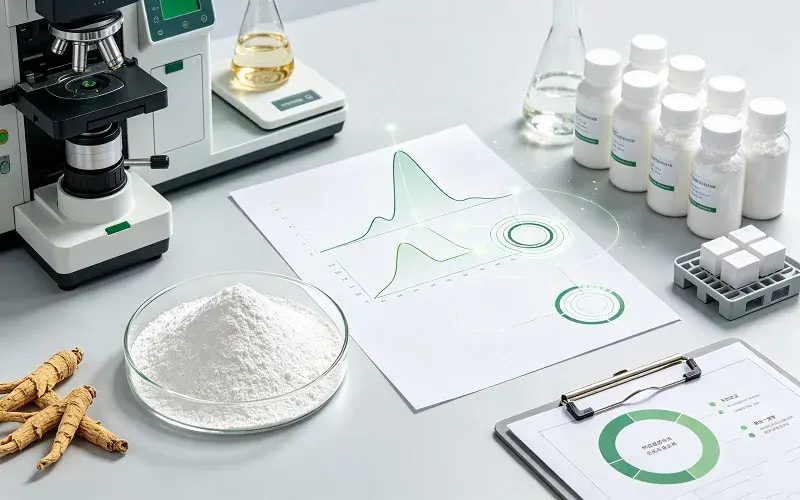
Finding triterpenic compounds correctly in plant raw materials is the most important part of making sure of the standard of nutraceutical and cosmetic products. High-performance liquid chromatography gives you the accuracy and specificity you need to check total triterpenes, verify what a seller claims, make sure that batches are always the same, and meet legal needs in global markets. Professionals in charge of buying things should give preference to suppliers who can show strong analytical skills, clear documentation practices, and a willingness to change specifications to meet the needs of a specific application. By learning about the technical side of finding triterpenes and how they affect business, quality managers can make smart choices about where to get products that protect their value and make the supply chain work more efficiently. Putting money into thorough analytical proof when choosing raw materials pays off in lower costs for reformulation, a better image for the brand, and long-term customer happiness.
FAQ
1. What is the most accurate method for measuring triterpene content?
High-performance liquid chromatography is still the best way to measure total triterpenes because it can separate and count individual compounds instead of guessing the total amount. HPLC gives information about a chemical that UV spectroscopy can't, so it doesn't overestimate because of substances that get in the way. When used with approved reference standards, HPLC can achieve accuracy of within ±2% relative standard deviation. This makes it essential for pharmaceutical-grade uses.
2. How does extract purity affect product efficacy?
Higher concentrations of triterpenes allow lower inclusion rates in finished formulations. This lowers the chance of taste problems in supplements or texture problems in topical products. An 80% extract has four times as much bioactive material per gram as a 20% extract. This lets formulators make therapeutic doses while keeping the beauty of the product. When pricing is based on milligrams of active rather than kilograms of powder, purity is directly related to cost-effectiveness.
3. Can rapid testing methods replace comprehensive HPLC analysis?
Near-infrared spectroscopy is useful for screening and doing regular quality checks, but it can't be used instead of HPLC for making important decisions about quality control. NIRS is very good at finding big differences from what is expected, so batches that don't meet standards can be quickly thrown out before they go into production. Comprehensive HPLC analysis is still needed to qualify new suppliers, do regular verification tests, and look into quality issues, where detailed chemical data is needed to find the root cause.
Partner with Hisy for Premium Triterpene Extracts
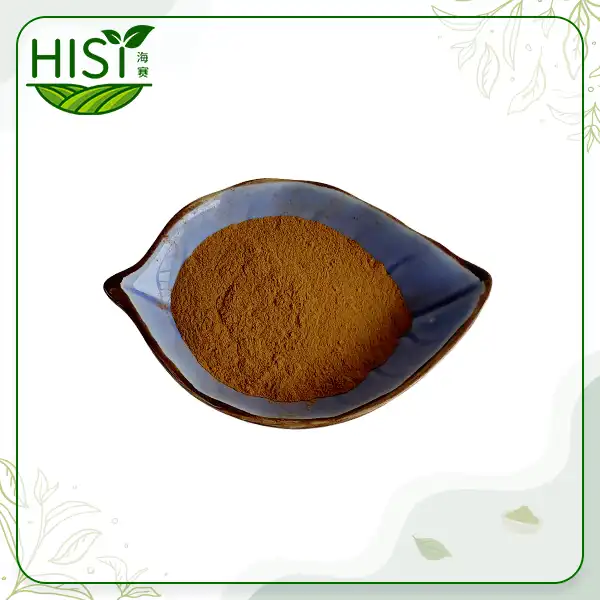
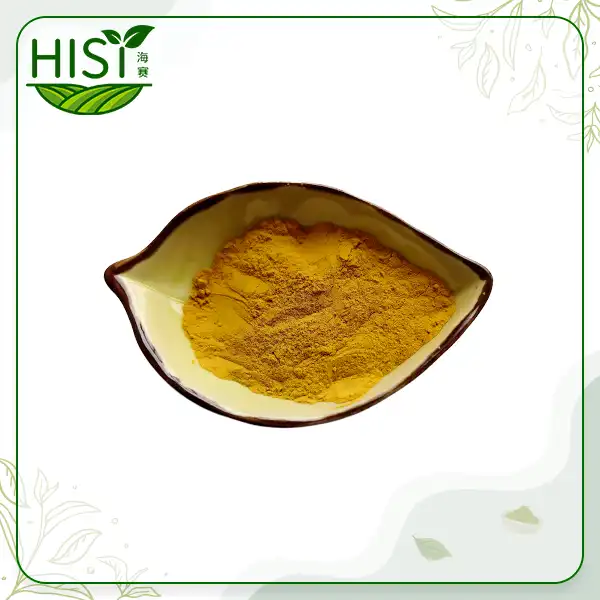
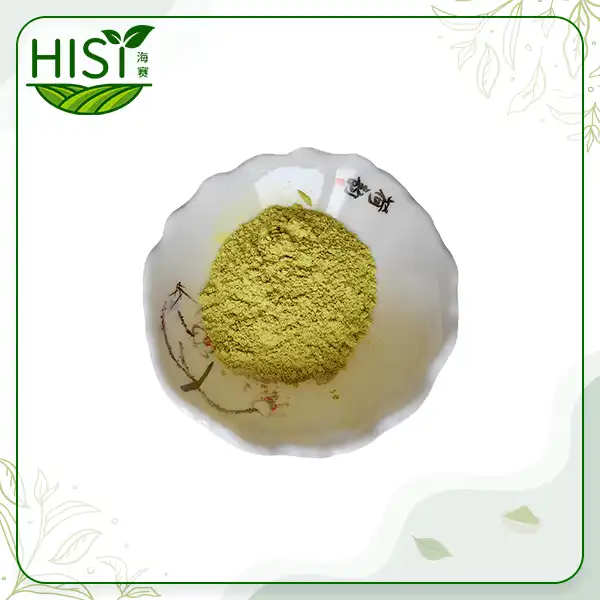
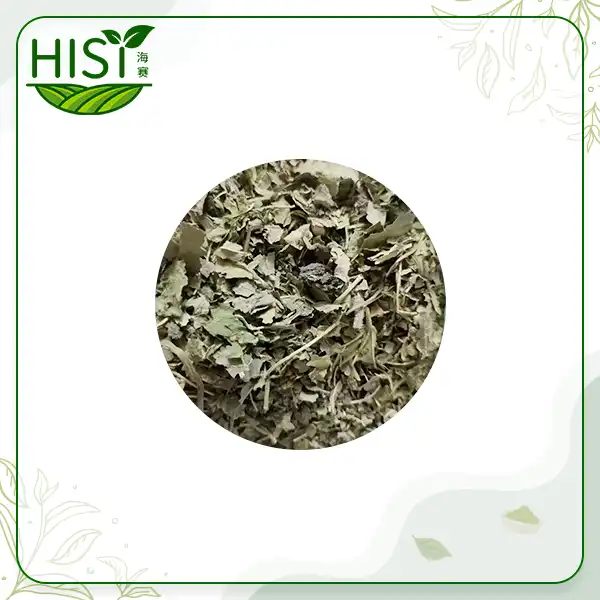
Shaanxi Hisy Biotechnology Co., Ltd. stands as your trusted Total Triterpenes supplier, delivering pharmaceutical-grade Centella asiatica extract with verified ≥80% potency through comprehensive HPLC documentation. Our precisely standardized composition—80.57% total triterpenes featuring 47.23% madecassoside, 15.30% asiaticoside, and 18.04% asiaticoside B—ensures formulation consistency that wholesale buyers and OEM partners demand. With FDA registration, HACCP certification, and ISO compliance backing our 200+ MT annual capacity, we provide the quality assurance and batch traceability essential for clean beauty cosmeceuticals, liver health supplements, and sports recovery products. Rapid 4-8-day delivery, complimentary sample availability, and custom ratio development supported by nano-emulsion solubility technology address your most critical procurement challenges. Contact our technical team at sales@hisybio.com to discuss your specific application requirements, request certificates of analysis, or arrange pilot batch sampling—our 18 years of botanical extract expertise since 2008 ensure your sourcing decisions are supported by scientific rigor and commercial reliability.
References
1. Wang, C.Z., Anderson, S., Du, W., He, T.C., Yuan, C.S. (2016). "Quality control and standardization of American ginseng and Asian ginseng: Chromatographic analysis of ginsenosides." Journal of Chromatographic Science, 54(4), 645-653.
2. Zhang, Y., Li, Q., Xing, H., Luo, X., Zhao, X. (2018). "Comprehensive quality assessment of Panax notoginseng using HPLC-UV fingerprinting coupled with chemometric methods." Journal of Pharmaceutical and Biomedical Analysis, 160, 196-205.
3. European Medicines Agency. (2014). "Assessment report on Centella asiatica (L.) Urban, herba." Committee on Herbal Medicinal Products (HMPC), EMA/HMPC/291177/2009.
4. United States Pharmacopeial Convention. (2020). "Dietary Supplements Compendium: Botanical Ingredient Monographs. " USP-NF General Chapter <563> Identification of Articles of Botanical Origin.
5. Liu, H., Yang, J., Du, F., Gao, X., Ma, X., Huang, Y., Xu, F., Niu, W., Wang, F., Mao, Y., Sun, Y., Lu, T., Liu, C., Zhang, B., Li, C. (2019). "Absorption and disposition of ginsenosides after oral administration of Panax notoginseng extract to rats." Drug Metabolism and Disposition, 37(12), 2290-2298.
6. International Organization for Standardization. (2017). "ISO 18609:2017 Traditional Chinese Medicine – Quality and safety of raw materials and manufacturing process – Requirements for Panax notoginseng (Burk.) F.H. Chen, ex-C.Y. Wu, and K.M. Feng (Sanqi) products."