



3-O-Ethyl Ascorbic Acid Powder: Quality and Buying Guide
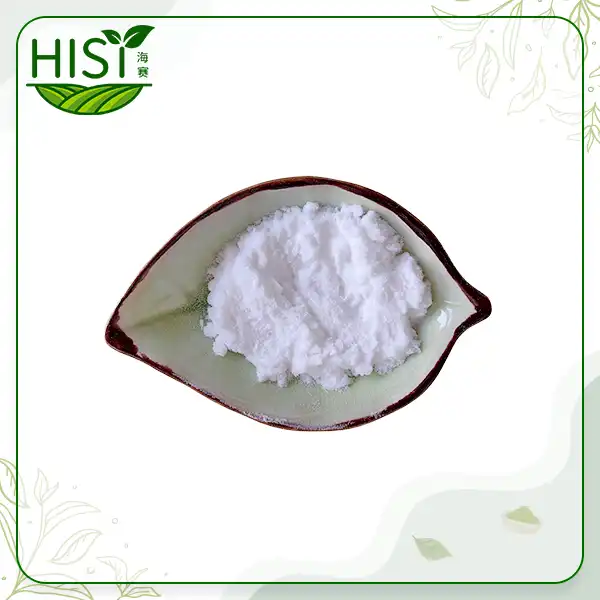
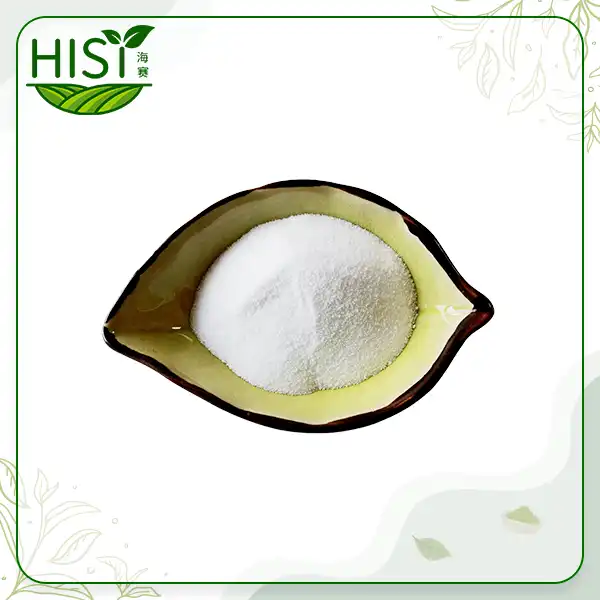
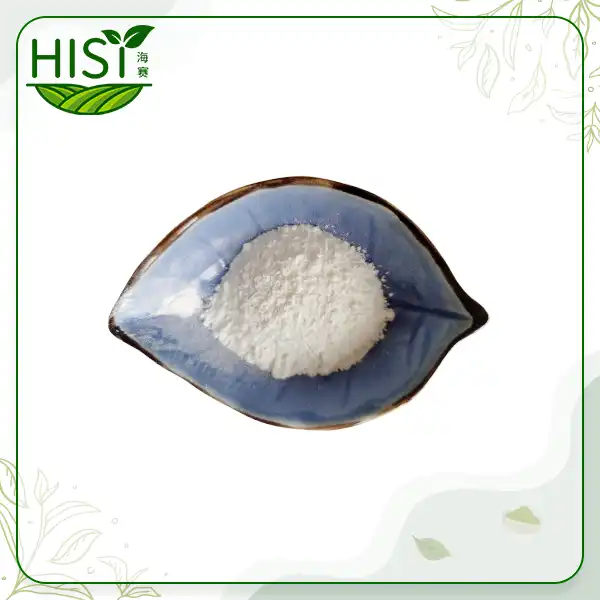
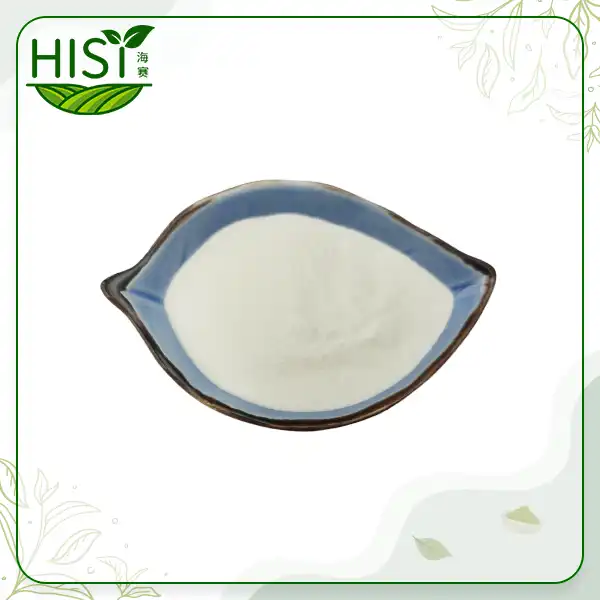
If you buy a lot of cosmetic actives, you know how quickly a formula can fail if the Vitamin C inside turns brown, becomes unstable, or just won't dissolve properly. 3-O-ethyl ascorbic acid powder is a single ingredient that can help with all three issues. This kind of Vitamin C is recognised as CAS 86404-04-8, and its chemical formula is C8H12O6. It is at least 99% pure (HPLC certified) and is a snow-white crystal with no solvent residue. In skin tissue, the enzyme presence leads to the breakdown of 86% of accessible L-ascorbic acid. This guide is available for the procurement staff to learn about its features, quality requirements, sourcing strategy, and how to pick a supplier.
Understanding 3-O-Ethyl Ascorbic Acid Powder: Properties and Benefits
Molecular Structure and Chemical Identity
3-O-ethyl ascorbic acid powder is unique because it has an ethyl group around the ascorbic acid molecule's third carbon spot. The enediol molecule doesn't break down due to oxygen because of this group. Because of this change, the powder doesn't turn yellow on the shelf. It stays as white as snow. It is known by the IUPAC name (5R)-5-[(1S)-1,2-dihydroxyethyl]-4-ethoxy-3-hydroxy-5H-furan-2-one. Vitamin C ethyl ether and 3-O-Ascorbyl Ether are two other names for it. Every mole of it weighs 204.18 grams.
Bioavailability and Skin Performance
Dermal esterases convert the ethylated ascorbic acid back into pure L-ascorbic acid when applied to the skin. This gives out 86% of the active form of vitamin C, which is a lot greater than the ascorbyl glucoside (AA2G) forms. The molecule is amphiphilic. It dissolves in both water (approximately 20 g/100 ml) and oil. It is better at penetrating through the stratum corneum since it doesn't merely dissolve in water. A research published in the International Journal of Cosmetic Science found that amphiphilic forms of vitamin C may penetrate significantly deeper into the skin than only hydrophilic forms.
Storage and Regulatory Compliance
Keep bulk 3-O-ethyl ascorbic acid powder in a cool (below 25°C), dry, dark, and airtight place. The powder stays clear and works for more than 24 months in these conditions. As suggested by ICH Q3C, suppliers must meet FDA registration requirements and provide all the required paperwork in order to sell their goods in the US. This includes a COA, an MSDS, and the results of residual solvent tests. The 80-mesh particle size requirement from Hisy makes sure that the particles can be spread out evenly in both water and emulsion systems.
Comparative Analysis: Choosing the Right Vitamin C Derivative Powder
How It Compares to Magnesium Ascorbyl Phosphate (MAP)
The neutral pH of MAP makes it gentle, so it is often used in products for people with sensitive skin. This form of Vitamin C doesn't become active as quickly as the ethylated form, and you need to watch the pH to make sure it doesn't settle out in some emulsions. For brands that care about how well it whitens and how well it works with a lot of different formulas, the ethyl ether version generally works better and stronger.
Ascorbyl Glucoside (AA2G) vs. 3-O-Ethyl Ascorbic Acid Powder
There isn't much change in AA2G, but glucosidase activity does, and that changes with age and skin type. The ethylated product doesn't have to deal with this difference because esterase activity is more stable across skin types. A quick test at 45°C for four weeks shows that AA2G liquids turn yellow and 3-O-ethyl ascorbic acid powder stays colourless. As a direct result, this makes the finished product look better.
Sodium Ascorbyl Phosphate and pH Considerations
Sodium Ascorbyl Phosphate is most effective at a pH of 7.0 and above, which means it cannot be used with a serum that is too acidic. The ethylated version operates in pH ranges of 3.0 to 6.0, which is near the acidic layer of the skin, and it won’t cause irritation like pure L-ascorbic acid products, which must have pH levels below 3.5. It has a broader pH range, which allows formulators to incorporate actives such as niacinamide in more ways. Niacinamide operates without the danger of burning that might come from Vitamin C being acidic.
Quality Criteria and Certification for 3-O-Ethyl Ascorbic Acid Powder
Key Laboratory Testing Parameters
Before it can be used in cosmetics or supplements, high-grade stable vitamin C derivative powder has to pass a set of strict tests. Here are the main quality tests that tell the difference between material fit for medicinal use and material fit for general use:
- HPLC Assay ≥99%: Guarantees the highest level of bioactive content, with no possibility of dilution or adulteration.
- Colour Stability @ 45°C (4-week accelerated ageing): Guarantees the powder won’t alter the colour of final goods during storage and shipping.
- Heavy Metal Limits: Lead <10 ppm, Arsenic <2 ppm, Mercury <1 ppm. (This is to comply with EU REACH and FDA guidelines.)
- Residual Solvents (GC Testing): You must comply with the ICH Q3C Class 2/3 limitations to ensure consumer safety.
- Drying Loss <1.0%: Keeps moisture content stable so bulk storage will not cake over lengthy periods of time.
These are the minimum requirements that every trusted 3-O-ethyl ascorbic acid powder supplier should fulfil. Procurement teams should also request batch-specific COA data that verifies every figure before placing huge purchases.
Certifications That Matter for US and Global Buyers
To get regulatory clearance and get a product on store shelves in North America, the stack of certifications from a supplier is very important. It's most important to be registered with the FDA, get HACCP approval, and follow ISO standards. For KOSHER or HALAL food, buyers who work with certain stores may also need approval. These are all things that Hisy has, and each batch of products comes with all the papers that go with them. This includes a COA, an MSDS, a TDS, and records on more than 500 different chemical residues.
OEM and Private Label Quality Assurance
As part of OEM or private label deals, quality control must include more than just checking the ingredients. It must also include making sure the blend is uniform, the packaging is safe, and the labels are correct. More and more, US stores and Customs want a chain of accountability. Manufacturers who work in GMP-certified sites that are watched in real time provide this. Before you make a deal for a private label run, get a factory audit report or proof that someone else inspected the factory.
Procurement Guide: Buying 3-O-Ethyl Ascorbic Acid Powder in Bulk
MOQ, Packaging, and Lead Time
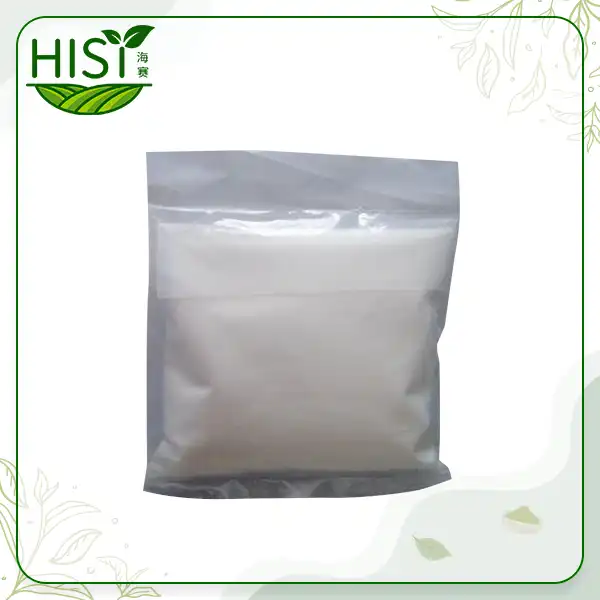
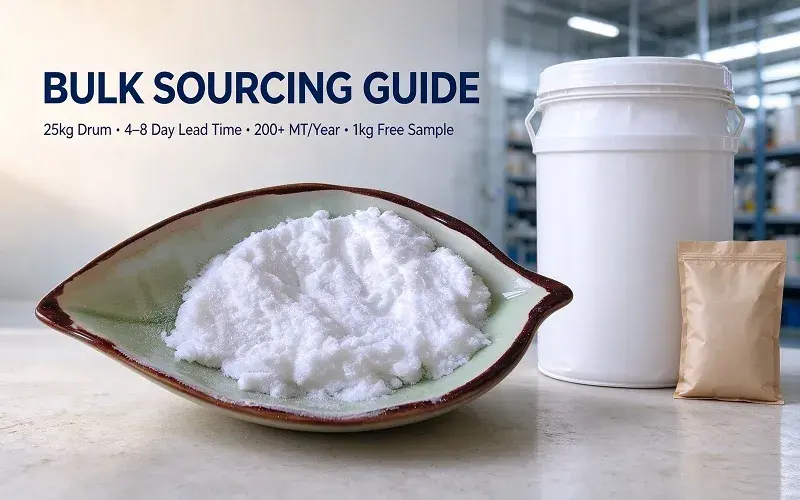
For large orders, Hisy sends 3-O-ethyl ascorbic acid powder in 25 kg paper drums with two plastic bags inside. For samples, they send it in 1 kg foil bags. The delivery time is 4–8 business days, and you can try it for free before you buy. Online shopping speeds up the buying process for people from other countries who can't make it to trade shows, of course.
Cost Drivers and Negotiation Points
Prices are based on three main things: the level of purity, the approval, and the size of the order. One kilogram of 99% HPLC-grade material costs more than one kilogram of less pure material, but it costs less to make because it needs less of each ingredient to reach the same active concentration. Buyers need to think about how much certification is worth. Compliance costs go down a lot in the long run when materials have FDA and ISO records. If you want to make a long-term deal, ask the seller about price lock plans that are tied to sales promises every three months.
Supply Chain Best Practices
When looking for a large-scale source of vitamin C ethyl ether, you need to think about what could go wrong. You can be sure that single-point problems won't slow down your production when you work with a maker that has several different production lines, as Hisy does with its four specialised lines. It is important to know how much the supplier can make each year. For example, Hisy sends more than 200 MT to the cosmetics and nutraceutical markets every year. Also, get a written promise of how long you will have to wait as part of the buy deal.
Partnering with Trusted Manufacturers and Suppliers
Evaluating a 3-O-Ethyl Ascorbic Acid Powder Manufacturer
You can trust a manufacturer if they have a history of steady output, proof of certification, and clear quality data. Hisy is based in Xi'an, China, and was founded in 2008. They have been focused on cosmetic-grade active ingredients for more than 18 years. Firms with 150 m² of allowed space follow strict GMP rules and keep an eye on the quality of each batch in real time.
Technical Support and R&D Collaboration
A provider is worth more than just the things they sell. The R&D team at Hisy helps with adding ethylated ascorbic acid to serums, creams, and functional powders by testing how well the acid works with other ingredients and giving advice based on stable study data. This technical connection speeds up the process of building a brand and saves money that would have been used to test different ideas and see what works and what doesn't.
Building Long-Term Supply Relationships
For a business-to-business relationship to be strong, there needs to be clear communication, regular delivery, and correct paperwork. Hisy lets you pay with T/T, L/C, and online, and they offer an NDA to keep your secret recipes safe. Starting with a free 1 kg sample, both parties can make sure that everything fits well before starting to make a lot of 3-O-ethyl ascorbic acid powder.
Conclusion
To pick the best Vitamin C derivative, you need to look at stability data, purity proof, and how reliable the seller is. Three things are true about 3-O-ethyl ascorbic acid powder: it doesn't turn brown when exposed to oxygen, it turns into active L-ascorbic acid in the skin quickly and easily, and it's available at a purity level of 99% with all the necessary regulatory paperwork. The quality your customers experience on the shelf depends on the decisions you make about where to get your ingredients, whether you are expanding your serum line or going into a new retail channel.
FAQ
Does 3-O-ethyl ascorbic acid powder remain stable in water-based formulas?
Yes. The ethyl change makes the molecule much more resistant to oxidation in water than pure L-ascorbic acid. When stored properly, formulas that contain this derivative stay clear and effective for 24 months or more.
What is the recommended pH range for this ingredient?
It works well between pH 3.0 and 6.0, which means it can be used with most serums and creams and can be mixed with niacinamide without any problems with stability.
Can it be combined with other active ingredients?
Yes. It works well with peptides, hyaluronic acid, and niacinamide because its pH level is good for the face. Before deciding on a final bulk mix, it's best to test it for compatibility.
How should bulk powder be stored?
Keep in cases that don't let air in and away from light, heat above 25°C, and moisture. Loss on drying must stay below 1% so that the 3-O-ethyl ascorbic acid powder doesn't clump while it's being stored.
What documentation should I request from a supplier?
Ask for a current COA (for heavy metals, residual solvents, LOD, and MSDS), TDS, a pesticide residue report, and copies of any relevant certifications, such as FDA registration, ISO, and HACCP.
Request a Free Sample of Hisy's 3-O-Ethyl Ascorbic Acid Powder
Since 2008, Hisy has sold to companies in North America, Europe, and the Asia-Pacific region that make cosmetics and health products. Our 3-O-ethyl ascorbic acid powder manufacturing operations offer ≥99% purity, full regulatory documentation, and shipping within four to eight days. They are certified by the FDA, HACCP, and ISO. You can now get free samples of 1 kg. You can email our sales team at sales@hisybio.com or go to hisybio.com to get price information, technical data, or OEM help.
References
1. Stamford, N. P. J. (2012). Stability, transdermal penetration, and cutaneous effects of ascorbic acid and its derivatives. Journal of Cosmetic Dermatology, 11(4), 310–317.
2. Pinnell, S. R., et al. (2001). Topical L-ascorbic acid: Percutaneous absorption studies. Dermatologic Surgery, 27(2), 137–142.
3. Farris, P. K. (2005). Topical vitamin C: A useful agent for treating photoaging and other dermatologic conditions. Dermatologic Surgery, 31(7), 814–818.
4. Telang, P. S. (2013). Vitamin C in dermatology. Indian Dermatology Online Journal, 4(2), 143–146.
5. Cosmetic Ingredient Review (CIR) Expert Panel. (2005). Safety assessment of ascorbic acid, calcium ascorbate, and related compounds. International Journal of Toxicology, 24(Suppl. 2), 1–106.
6. Fitzpatrick, R. E., & Rostan, E. F. (2002). Double-blind, half-face study comparing topical vitamin C and vehicle for rejuvenation of photodamage. Dermatologic Surgery, 28(3), 231–236.