


Can Phosphatidylserine Powder Support Memory and Focus?
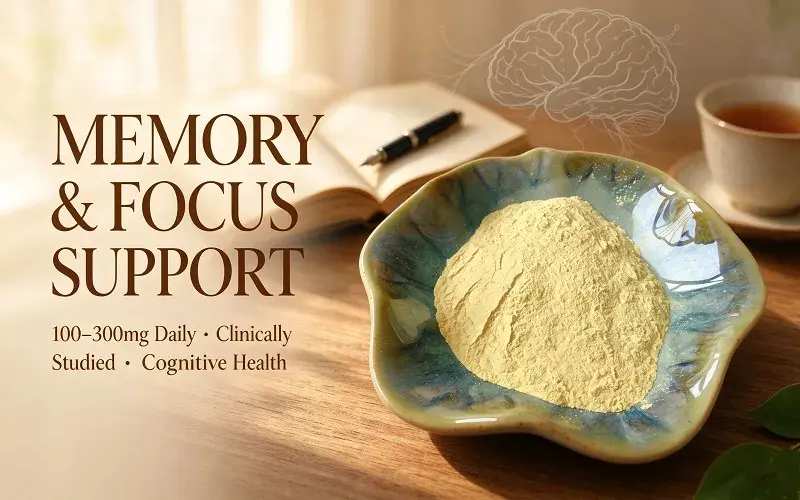
Phosphatidylserine powder can really help you remember things and concentrate. As a phospholipid that is mostly found in brain tissue, it helps keep neuronal membranes fluid and supports neurotransmitter activity. Taking 100–300 mg of PS every day has been shown in several clinical studies to improve short-term memory, attention, and mental working speed. This is especially true for older people who are facing cognitive loss due to getting older. For people who work in business-to-business formulation and purchasing, this ingredient is a high-demand, scientifically proven raw material that has a lot of potential uses in cognitive supplements, sports nutrition, and functional foods.
Understanding Phosphatidylserine Powder and Its Role in Cognitive Health
What Is Phosphatidylserine?
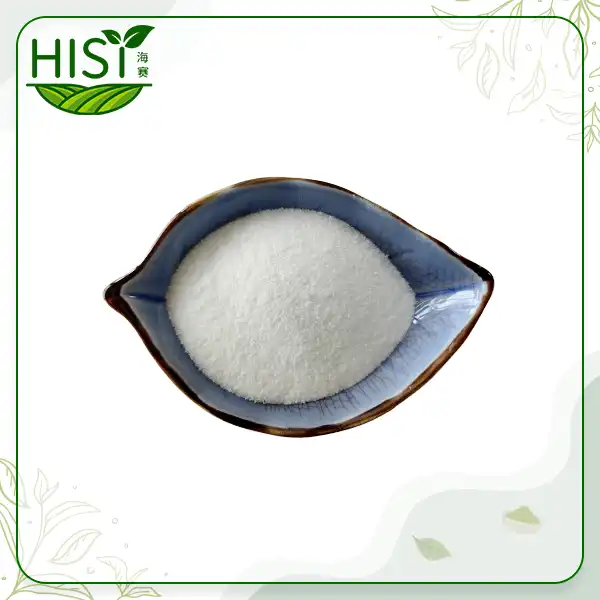
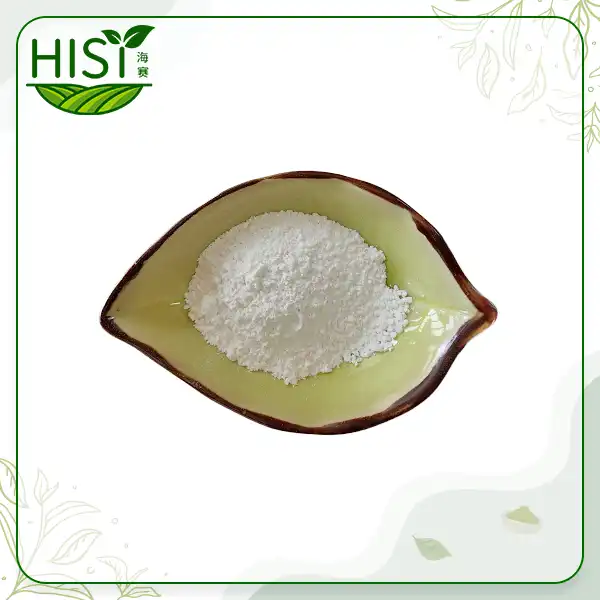
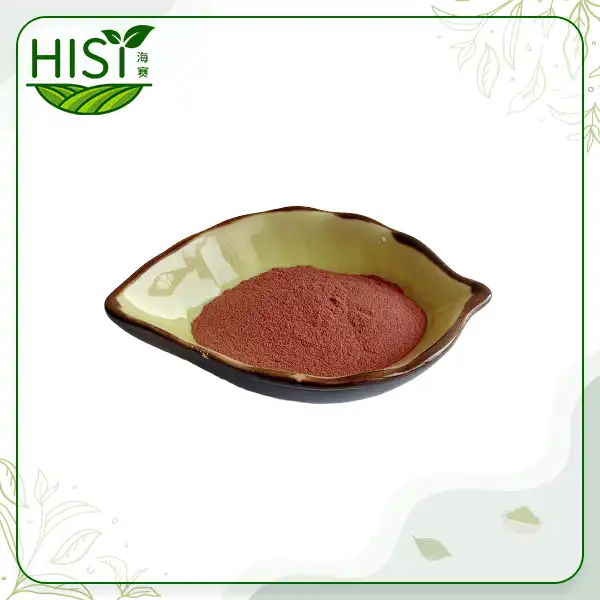
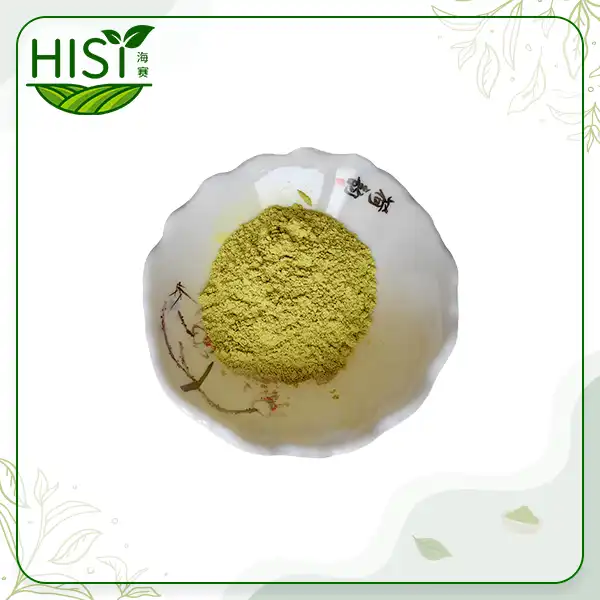
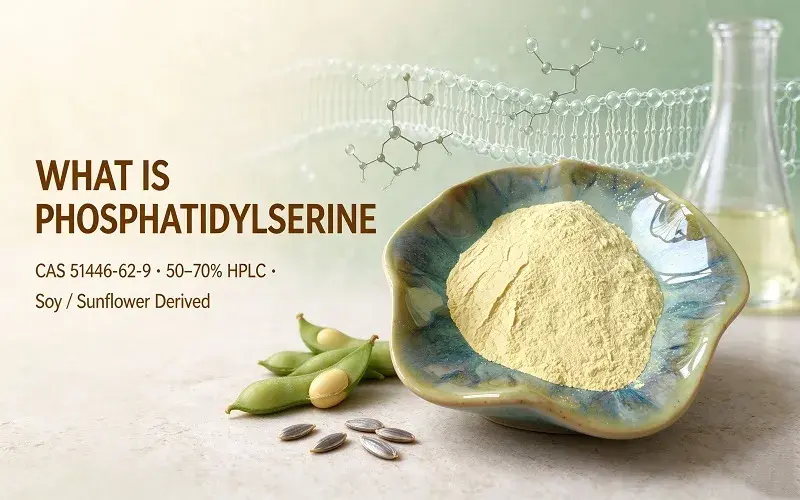
It is a type of fat molecule that is found in all of our cells. It is also known as phosphatidylserine powder. A lot of it is in the neurons in the front part of the brain. It is made in the business world by transphosphatidylating soy or sunflower lecithin with phospholipase D. With this process, a light yellow powder (CAS No.: 51446-62-9) is made that has an amphiphilic structure and mixes directly with lipid bilayers. This means that it works biologically at the cell level.
How PS Supports Brain Function
Phosphatidylserine powder makes the brain work better in two main ways. First, it keeps the membranes of neurons flexible, which is important for brain cells to be able to talk to each other. Second, it manages the release of important proteins that are linked to membranes. These include proteins that work with dopamine and acetylcholine. A study published in 1991 in the journal Neurology found that older people with age-related memory loss who took phosphatidylserine powder tablets did much better on memory tasks. It was shown that phosphatidylserine powder is a real nootropic that works.
Natural vs. Synthetic Forms: What Buyers Should Know
Natural phosphatidylserine powder from non-GMO soybean (Glycine max) or sunflower (Helianthus annuus) is often chosen over manufactured versions in formulations because it has a better mix of fatty acids and is more bioavailable. We always get good test results (50% to 70% by HPLC-ELSD) for phosphatidylserine powder that comes from soy. This is the standard used in the US FDA's Qualified Health Claim for lowering the risk of cognitive decline. As an allergen-free choice, phosphatidylserine powder made from sunflowers is becoming more popular.
Critical Factors in Selecting High-Quality Phosphatidylserine Powder for Procurement
Purity Standards and Testing Methods
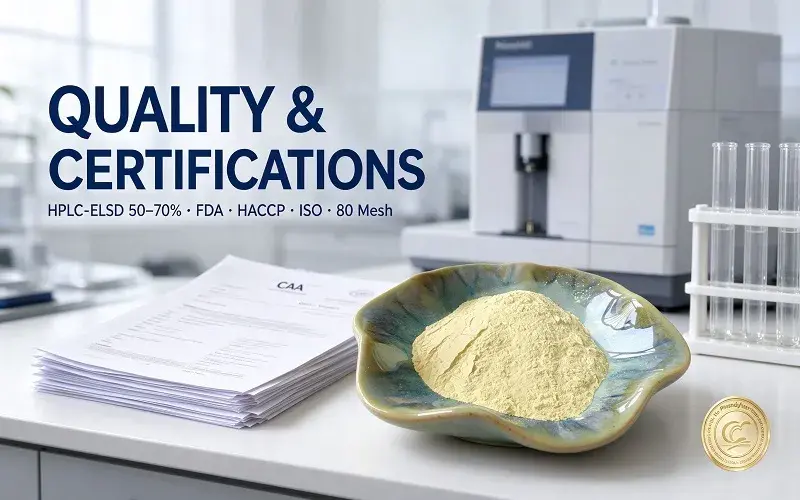
The purity concentration is a very important thing to look at when you want to buy a lot of phosphatidylserine powder. HPLC-ELSD tests show that assays that are between 50% and 70% of the given range are the most accurate. Check the peroxide value (less than 5 meq/kg) and moisture content (less than 5%) of the phospholipids to make sure they are stable. These things directly affect how long the product lasts and how well it works. This is especially true for softgels and pills, where the ingredient can break down before it gets to the customer.
Certifications That Build Supply Chain Confidence
To buy things in the US market, you need to sign a formal document. A reliable source of phosphatidylserine powder should have a plant that is registered with the FDA and use quality management systems that are approved by both HACCP and ISO. This proof shows that the production meets food safety standards around the world and that each batch can be tracked and regularly recorded. Purchase managers might have trouble following DSHEA rules if they skip this proof step. This could lead to product recalls, label claims that don't work, and problems with the law.
Dosage Guidance for Formulators
There is clinical evidence that a daily dose of 100 mg to 300 mg of Phosphatidylserine powder is good for brain health. Researchers have found that taking 400–800 mg per day can lower cortisol and help the body heal faster after a workout. The people who make medicines should know that particles with a size of 80 mesh make sure that pills are filled smoothly and powders are mixed evenly. This is a useful benefit that cuts down on the time and money needed to re-formulate and stop production.
Comparing Phosphatidylserine Powder with Other Cognitive Supplements
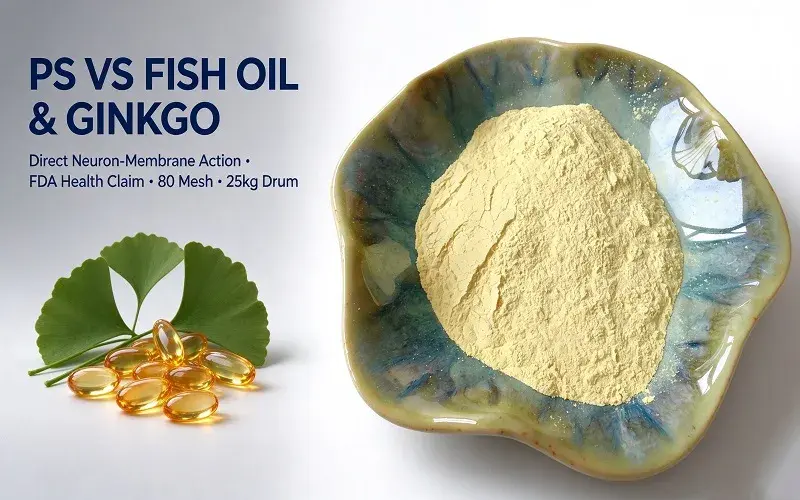
PS Powder vs. Fish Oil and Ginkgo Biloba
Most people who buy brain health products choose ginkgo biloba or fish oil (DHA/EPA). Fish oil has omega-3 fatty acids that help keep neural membranes healthy. Ginkgo also helps the brain get more blood. As opposed to fish oil and ginkgo, phospholipidserine powder directly affects neurone membranes and has an FDA-Qualified Health Claim. This is something that neither fish oil nor ginkgo does for brain health at this time.
Bioavailability and Cost Efficiency
A powder called phosphatidylserine with an 80-mesh size is easy to mix with other helpful substances and doesn't need to be milled any further. It works better as a powder than as a softgel when mixed with fat carriers like MCT oil.... Big supplement companies can save a lot of money by buying phosphatidylserine powder in drums of 25 kg instead of already packaged forms. They can also make changes to the recipe whenever they need to without having to find new sources.
When PS Works Best in a Nootropic Stack
It is helpful to use phosphatidylserine powder as part of a cognitive stack. It works well with Ginkgo biloba to improve blood flow, Bacopa Monnieri to help you remember things, and omega-3 extracts to support the membranes. Phosphatidylserine powder is now the main ingredient in many high-end brain health brands in the US. So that their goods stand out on shop shelves, they base their claims on claims that have been approved by the FDA.
Practical Applications and Usage in Industry Settings
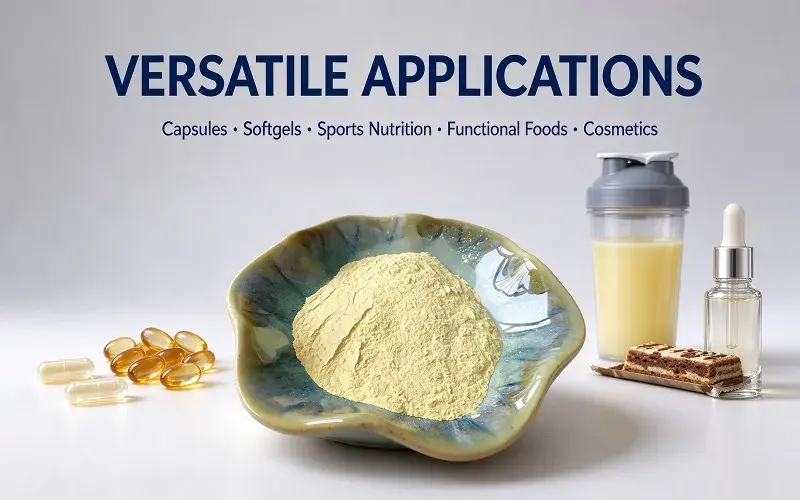
Supplement Capsules and Softgels
Between 50% and 70% phosphatidylserine powder can be used to fill hard capsules easily at an 80 mesh level. The fill weight stays the same because its bulk density is between 0.35 and 0.65 g/ml. For softgel uses, it mixes well with oil, and it doesn't mess up gelatin shells. For these reasons, phosphatidylserine powder is a good choice for supplement contract makers who make a lot of products. It helps with high-throughput manufacturing and lowers the number of products that are rejected.
Sports Nutrition and Functional Recovery Blends
There are more and more formulas for after a workout that use phosphatidylserine powder to try to keep cortisol levels in check. Protein shake materials need to be able to mix with the powder without making the mouth feel greasy, or the surface come apart. This can be done well with grades that are very small. Several studies, including one in the Journal of the International Society of Sports Nutrition in 2008, found that skilled athletes who took phosphatidylserine powder supplements had less cortisol in their bodies when they worked out and healed faster.
Functional Foods and Cosmetic Applications
A phosphatidylserine powder is being added to energy bars, milk powder blends, and infant nutrition products that say they help the brain develop. This powder is also used in supplements. It is used in makeup to make serums and masks that fight ageing because of its antioxidant and phospholipid qualities. Phosphatidylserine powder is a useful raw material for companies that make more than one type of product because it can be used in different areas.
Procurement Strategies for Phosphatidylserine Powder in Global B2B Markets
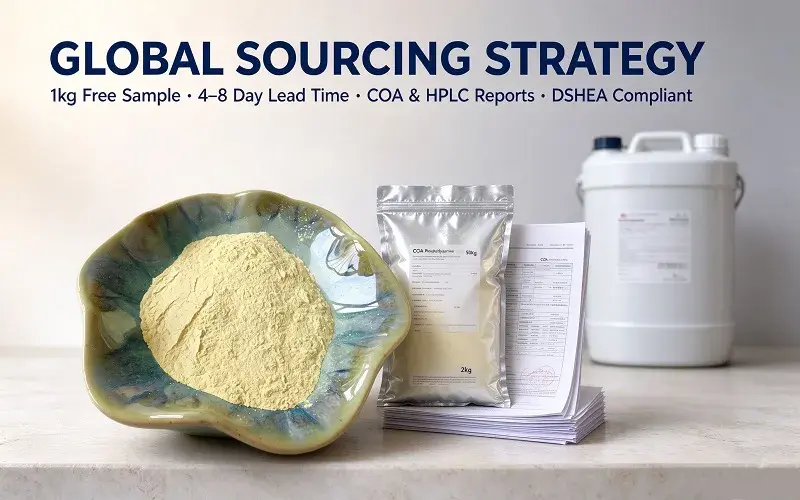
Evaluating Suppliers Objectively
When looking for phosphatidylserine powder for the US market, I suggest judging suppliers based on four things: whether the facility is certified, the available specifications (50% vs. 70%), the testing documentation (COA, MSDS, TDS, pesticide residue reports), and the ability to change the minimum order size. Buying teams can try out different suppliers before committing to large amounts when they offer both 1 kg samples and 25 kg big drums.
Here are the core procurement criteria buyers consistently prioritize:
- Specification range: Phosphatidylserine powder amounts between 50% and 70% to work with a variety of product types
- Particle size: 80 mesh for capsule compatibility and even powder blend uniformity
- Documentation: Full COA, HPLC-ELSD test results, and pesticide residue screens are all included as proof
- Certifications: FDA registration, HACCP, and ISO for US DSHEA compliance
- MOQ flexibility: Sample orders of 1 kg to 25 kg drums can be scaled up to full bulk
These factors help procurement teams stay away from batches that don't have enough paperwork and keep their names safe from supply chain compliance problems.
Sampling Before Bulk Commitment
Before you place a big order, ask for a free sample. Within 4–8 business days, a reputable phosphatidylserine powder manufacturer will send you a 1 kg evaluation sample with full test reports. Before committing to large numbers, this sample step lets your quality team check the consistency of the color (light yellow), particle size, assay results, and smell profile. If you skip this step, you might get material that doesn't work well in your specific formulation environment.
Conclusion
Phosphatidylserine powder is one of the few nootropic drugs that has both strong clinical support and a health claim that has been approved by the FDA. Because it helps keep neuronal membranes intact, neurotransmitter signaling, and cortisol levels in check, it is useful in functional foods, supplements for mental health, and sports recovery products. For procurement teams in the US market, it's important to buy from a verified and qualified maker that offers flexible order amounts, test results that can be recorded, and expert support that responds quickly at all stages of the supply process.
FAQ
What concentration of phosphatidylserine powder is best for supplement formulations?
For most supplements, phosphatidylserine powder concentrations of 50% or 70% are used. The 70% grade has a higher active dose per capsule, which means that less fill volume is needed. The 50% grade is a cheap choice for blends that promote brain health across a wider range, where phosphatidylserine powder is one of several chemicals.
Is soy-derived PS powder safe for allergen-sensitive markets?
Phosphatidylserine powder made from soy is widely used and recognized by the FDA. However, sunflower-derived phosphatidylserine powder can be used instead in places where soy allergens are not allowed. It works just as well in assays.
What is the standard shelf life for PS powder?
Phosphatidylserine powder usually stays stable for 24 months if it is kept in sealed foil bags or drums in a cool, dry place below 25°C. The main things that can break down things are moisture and oxygen, but good packaging can stop both of them.
What documentation should I request from a phosphatidylserine powder supplier?
At the very least, ask for a full COA, an HPLC-ELSD test report, a pesticide residue panel, a microbial analysis, an MSDS, and a TDS. Suppliers who are registered with the FDA and have ISO certification should gladly give these to you.
Can PS powder be used in ready-to-drink beverage formulations?
Phosphatidylserine powder doesn't dissolve in water, but emulsification technology can spread it out. Formulators usually mix phosphatidylserine powder with lecithin emulsifiers or use a micronized grade to make the suspension more stable for RTD uses.
Partner with Hisy for Certified Phosphatidylserine Powder Supply
Since 2008, Shaanxi Hisy Biotechnology Co., Ltd. has been making functional ingredients and botanical extracts. Hisy is a reliable company that sells phosphatidylserine powder. They have 50% and 70% PS concentrations that come from non-GMO soybeans and have been tested using HPLC-ELSD and have FDA, HACCP, and ISO certifications. It takes 4–8 days to ship free samples. Flexible packaging, ranging from 1 kg foil bags to 25 kg drums, can be used for both small test runs and full production runs. To get a sample or bulk price right away, email our team at sales@hisybio.com or go to hisybio.com.
References
1. Crook, T. H., et al. — "Effects of Phosphatidylserine in Age-Associated Memory Impairment." Neurology, 1991.
2. Cenacchi, T., et al. — "Cognitive Decline in the Elderly: A Double-Blind, Placebo-Controlled Multicenter Study on Efficacy of Phosphatidylserine Administration." Aging Clinical and Experimental Research, 1993.
3. Fahey, T. D., & Pearl, M. S. — "The Hormonal and Perceptive Effects of Phosphatidylserine Administration During Two Weeks of Resistive Exercise-Induced Overtraining." Biology of Sport, 1998.
4. Starks, M. A., et al. — "The Effects of Phosphatidylserine on Endocrine Response to Moderate Intensity Exercise." Journal of the International Society of Sports Nutrition, 2008.
5. Glade, M. J., & Smith, K. — "Phosphatidylserine and the Human Brain." Nutrition, 2015.
6. US Food and Drug Administration — "Qualified Health Claims: Letter of Enforcement Discretion — Phosphatidylserine and Cognitive Dysfunction and Dementia." FDA Docket, 2003.