

_1752718207094.png)

Bulk Barley Seedling Powder for Dietary Supplement Brands
When companies that make dietary supplements look for high-quality green superfood ingredients, Barley Seedling Powder stands out as a great option because it has a good mix of nutrients and can be reliably made. This grass-green powder comes from young Hordeum vulgare plants at the peak of their enzymatic activity. It has a lot of vitamins, minerals, and chlorophyll that are in line with current health trends. Our 99% specification product gives supplement makers a clean-label ingredient that meets strict FDA, HACCP, and ISO quality standards and meets customer desire for plant-based nutrition that makes the body more alkaline. When brands can be consistent from batch to batch and get their products to customers quickly, they have an advantage in the competitive nutraceutical market.
Understanding Barley Seedling Powder: Nutritional and Functional Insights

There are a lot of bioactive compounds in the young leaves of barley plants. This makes this ingredient different from other green powders used in supplements. When the seedlings are picked between 20 and 30 cm tall during the jointing stage, they get the right amount of superoxide dismutase (SOD), chlorophyll, and essential amino acids before they start to form grains.
What Makes Barley Seedling Powder Unique
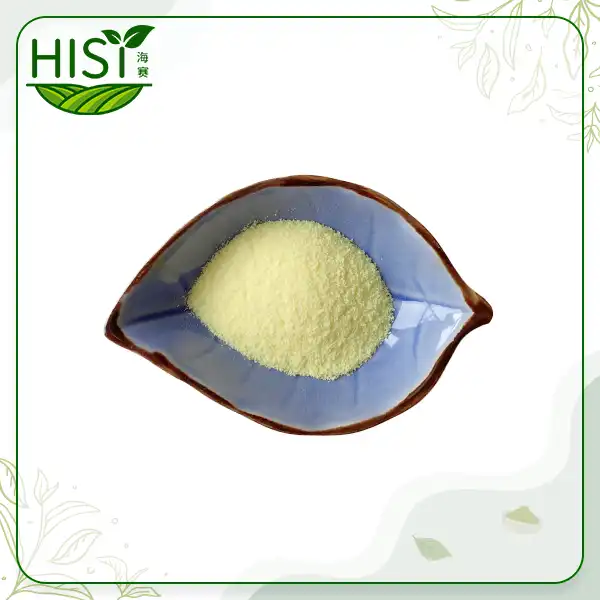
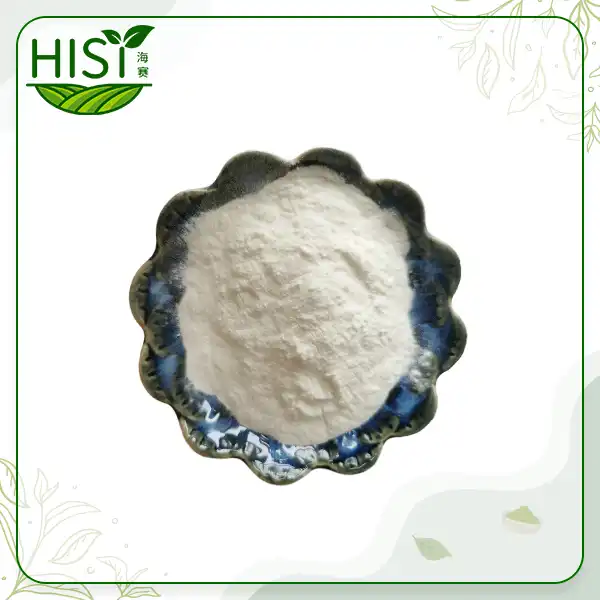
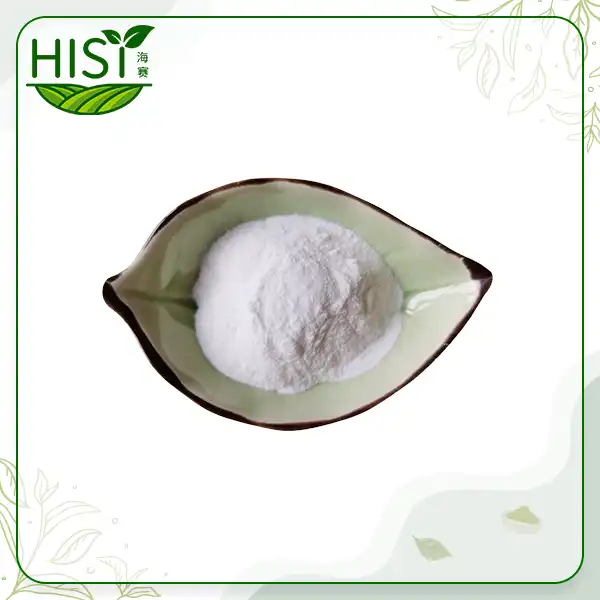
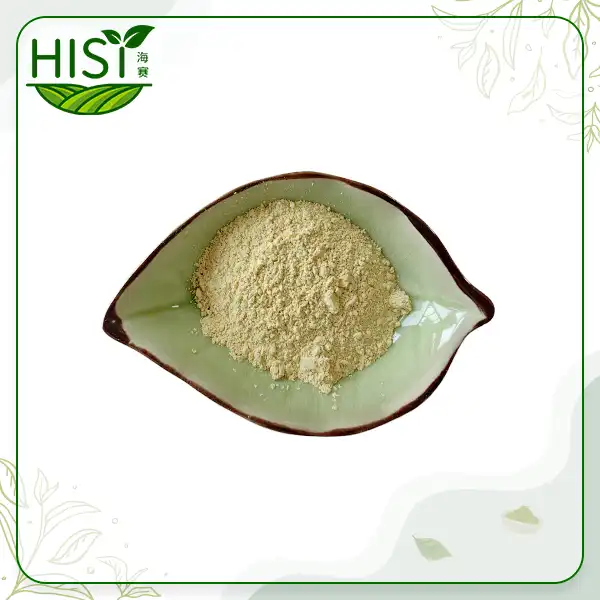
Compared to mature grains, young grass has a completely different set of nutrients. Through controlled freeze-drying or vacuum drying, we make sure that our whole wheat sprout powder keeps the full fibre structure and enzyme profile. This way of processing keeps the integrity of the cells while getting the particles to an 80 mesh size that makes them easy to mix into different supplement formats. Hordeum vulgare is more than just a botanical name; it refers to a family of plants that have been known to be good for your health for hundreds of years. With today's extraction methods, we can now turn these traditional benefits into standardised powders that can be used in large-scale manufacturing.
Nutritional Profile and Health Applications
Barley grass powder's compound profile supports a number of wellness categories that are important to today's health-conscious consumers. This ingredient is full of B vitamins, iron, and polyphenols, and its high nutritional density helps meet the goals of many types of supplement formulations. According to research, daily drinking may help the liver clean itself out because it has a lot of chlorophyll and saponin. Studies that looked at people who drink alcohol regularly found that alcohol may help protect liver cells, which could be used in detox and cleanse supplement lines. When you combine the fibre with polyphenolic compounds, they help your metabolism, which fits with the weight management product positioning. Controlling blood sugar is another interesting area that could be used. Researchers have found links between regular eating and better markers of fasting glucose, which means this ingredient could be useful in metabolic health products. The antioxidant power, mostly from greens and flavonoids, deals with oxidative stress issues that are at the heart of many goods that fight ageing and improve cell health.
Evidence-Based Usage Guidelines
Powdered drink mixes and meal replacements from supplement brands usually have 3 to 5 grams of protein per dose. Capsules usually have between 500 mg and 1000 mg per dose, so you can choose how much to take each day. Our technical team helps with formulation to make sure that bioavailability is maximised and stability is maintained throughout the shelf life. When making a product, the alkaline-forming properties should get extra attention. This quality works against the acidic eating habits that are common in modern nutrition. It makes goods seem like pH-balancing solutions that wellness-focused people looking for overall health support will like.
Comparing Barley Seedling Powder with Alternative Superfood Powders
There are a lot of different kinds of green powder available, and each one claims to have its own benefits. Figuring out what the important differences are helps match the choice of ingredients with how the brand is positioned and what customers expect.
Barley Versus Wheatgrass: Key Distinctions
Even though they are both grain grasses, there are big changes in how they are made and how much nutrition they provide. Wheatgrass usually has a higher risk of gluten exposure because it is processed close to when grains are developing. However, the timing of our harvest ensures that there is almost no gluten present, which was confirmed by ELISA testing protocols. The amount of chlorophyll in young barley leaves is usually a little higher, which helps give the food a bright grass green colour that tells people it's fresh and strong. It is more likely that enzyme activity, especially SOD levels, will stay steady in properly processed Barley Seedling Powder material than in wheatgrass options.
Barley Grass Powder Versus Barley Seedling Powder
These terms are often used equally, but small differences in how they are processed can change the way an end product behaves. Barley grass powder might only have the juice that has been extracted, with the fibre taken out. This makes the powder more concentrated but less complete in terms of its nutrients. Our Barley Seedling Powder keeps the whole leaf structure, which means it keeps the insoluble fibre that is good for gut health and gives drinks a pleasant texture. This difference is important for formulation flexibility. Whole seedling powder dissolves better in liquid supplements and helps you feel full when you're replacing a meal. On the other hand, juice powder concentrates might work better for encapsulation when space is limited and maximum nutrient density is needed.
Spirulina and Chlorella Comparisons
Even though they have similar colour profiles, algae-based green powders are used for different things in formulations. Spirulina has a higher protein content—about 60 to 70% by weight—which makes it better for exercise and muscle support goods. But the nutrients in barley grass are very high in vitamin C, vitamin K, and different minerals, especially forms of iron and calcium that are easy for the body to absorb. The taste profile has a big effect on how well consumers accept it. Algae powders have strong marine flavours that need to be hidden in recipes. On the other hand, barley-based ingredients have grassy, slightly sweet notes that go well with fruit flavours and natural sweeteners that are common in supplement drinks.
Organic Certification Considerations
Choosing between organic and standard ingredients affects more than just the cost of the ingredients. Certified Organic Barley Seedling Powder gets a higher price, but it needs to be checked against a recorded supply chain every year. Our ISO, HALAL, and KOSHER standards give brands the freedom to target a wide range of consumers with different nutritional needs. Quality perception research shows that organic certification has a big effect on health-conscious consumers' decisions to buy, especially in North American markets where clean label trends are driving supplement category growth. When brands are developing specifications, they should think about the certification priorities of the people they want to sell their products to while balancing cost and market positioning.
Bulk Procurement Essentials: How to Source High-Quality Barley Seedling Powder

Comparing prices isn't the only thing that goes into successful ingredient buying. Quality consistency, regulatory compliance, and supply stability are also important. These are all things that have a direct effect on the performance and image of the final product.
Defining Procurement Specifications
Misunderstandings that could hurt the quality of the product are avoided by having clear paperwork of the specifications. Our standard product has 99% specification content, which means it has few processing additives and is very pure. The 80 mesh particle size makes sure that powder blends dissolve and spread out evenly, which is important for making sure that label claims are accurate across production runs. Choosing between freeze-drying and vacuum drying affects how well enzymes stay active and how stable the colour is. Both methods are used on all four of our production lines, so brands can choose the one that best fits their needs. Most of the time, freeze-drying is better at keeping enzymes in, but vacuum drying can save money in situations where nutritional mineral value is more important than enzyme activity.
Evaluating Supplier Credentials
Choosing a manufacturing partner requires more than just getting quotes. Our 18 years of experience since 2008 show that we've been committed to the business for a long time and have gained process knowledge that newer providers can't match. This history of operations gives you confidence that your orders will be filled consistently, without the quality changes that often happen with less experienced producers. The depth of a certification portfolio shows compliance skills that are necessary for international distribution. Our ISO certification, FDA registration, and use of HACCP show that we manage quality in a planned way, not just test things one at a time. These models make sure that every production batch follows the same steps, which is needed for validated Barley Seedling Powder manufacturing methods to work.
Pricing and Quality Balance Strategies
It makes sense for procurement teams to try to find ways to save money, but when it comes to nutritional products, the lowest price isn't always the best value. Our prices reflect real investments in quality, like the best time to harvest, controlled drying processes, thorough testing, and proper storage, which lower-quality products don't have, even though they look similar at first glance. To compare quality, you have to look at more than just the claims on standard sheets. The amount of chlorophyll can be measured using spectrophotometry, and enzymatic SOD activity tests show if the bioactive compounds were successfully preserved during low-temperature processing. Heat-damaged materials may meet basic standards for look, but they may not be as nutritious as they should be, which hurts the effectiveness of the product and customer happiness. Testing a sample before committing to buying a lot of something protects procurement investments. We give free samples to supplement makers who meet our requirements. This way, you can do your own testing of taste, dissolution, and preparation before signing a supply agreement. During this part of testing, any problems with compatibility with current formulations are found, and it is confirmed that our material meets your quality standards.
Purchasing Channels and Logistics
When you work directly with a manufacturer, you avoid the markups that come from middlemen and have access to technical support throughout the entire product development cycle. Our team answers questions within 24 hours and can help with legal paperwork and formulation in a way that dealers can't. This direct communication helps problems get solved quickly and keeps production schedules running smoothly. Lead times and landing prices are affected by international shipping issues. Our delivery timeframe of 4–8 days from order confirmation to shipment departure helps with just-in-time inventory management, which lowers the cost of storage and keeps ingredients fresh. We can handle different shipping methods and paperwork needs for each target country, which makes the import process easier for your operations team.
Incorporating Barley Seedling Powder into Dietary Supplement Product Lines

As people look for whole food sources of nutrition instead of synthetic ones, the market is moving more and more toward green superfood ingredients. This change opens up composition options for a wide range of supplement types.
Formulation Opportunities Across Product Formats
For powdered drink mixes, the most straightforward use is where the grass green colour and mild flavour make it seem more natural. Brands successfully market these items as health routines to do in the morning, healing drinks after a workout, or afternoon energy boosts that give you long-lasting energy without the crashes that come with stimulants. Capsule forms make the market bigger by reaching people who care more about ease than taste. The 80 mesh particle size constantly moves through encapsulation equipment, keeping production running smoothly and providing concentrated nutrition in forms that are easy to swallow. Usually, barley is mixed with other ingredients that work well together, like spirulina, probiotics, or herbal extracts, to make specific health products. Tablet formats need to be very careful when choosing a binder because the fibre content needs to be taken into account while the structure is still intact. Our technical team gives you data from compression tests and advice on excipients that help you make strong tablets that work well in high-speed manufacturing settings.
Market Trends Driving Ingredient Demand
As time goes on, people's health concerns are shifting toward preventative methods that focus on daily nutritional optimisation. This trend is met by green superfoods, which offer concentrated plant nutrition that fills in nutritional holes that come up with busy lives. According to market research, the category is consistently growing, with detoxification and alkaline diet segments showing the most growth. Clean label tastes affect the choices of ingredients for all age groups. Younger customers look closely at ingredient lists to make sure they have ingredients they can recognise and little processing. Our whole Barley Seedling Powder meets these needs because it contains whole plants instead of isolated extracts. This supports an honest wellness message that appeals to buyers who care about transparency.
Successful Brand Case Studies
Leading supplement companies have added barley grass to their products to make them stand out and reach new markets. Athletic performance brands mix this ingredient with protein powders to make full recovery formulas that help muscles heal and keep inflammation in check throughout the body. The antioxidants help with the hard work of training, and the alkaline nature fights acidic waste products from metabolism. Detoxification-focused brands use the chlorophyll content and liver-supporting qualities to make cleanse plans that people who want to restart their health on a regular basis will like. These products usually have barley as a main ingredient, along with milk thistle, dandelion, and other traditional detox botanicals. Together, these ingredients work well to make formulations that are backed by both traditional use and modern research.
Quality Control and Regulatory Compliance
Finished product testing must make sure that the ingredients were used correctly during the whole manufacturing process. We suggest measuring spectrophotometric chlorophyll on finished goods to make sure that the conditions of processing did not damage this important biological ingredient. A lot of chlorophyll degradation means that the product was exposed to too much heat or oxidation during production, which means that the process needs to be changed to protect the value of the ingredients. The microbial requirements for final vitamins depend on how they are packaged and what they are going to be used for. Lower microbial counts are usually needed for encapsulated products than for powdered drink mixes. This means that approved production environments are needed to keep the products from getting contaminated during processing. Our testing of ingredients gives you baseline microbial data that helps you do your risk assessment and set the right standards for the finished product.
Why Bulk Barley Seedling Powder is the Preferred Choice for Dietary Supplement Brands

This ingredient is a smart choice for supplement brands that want to stay ahead of the curve because it meets consumer demand, makes manufacturing easier, and is backed by nutritional science.
Market Demand Dynamics
Consumer research constantly shows that people are becoming more interested in plant-based nutrition sources that offer a wide range of benefits rather than supplements that only provide one nutrient. This preference comes from knowing more about how whole-food matrices offer cofactors and synergistic compounds that synthetic alternatives don't. This trend goes well with our whole Barley Seedling Powder, which gives plants all the nutrients they need and supports real wellness marketing.
Core Components of Reliable Bulk Supply
Maintaining consistency is the key to making supplements that work. Our 150-square-meter facility with four dedicated lines makes sure that your March orders work the same way as your September orders. This is because there are no formulation variables that could change the quality of the finished product. This dependability comes from managing ties with barley farmers, using standard processing methods, and checking everything at many stages of production. Certification breadth gives you options as your brand grows into new areas or groups of people. Our ISO certification shows that we follow a systematic approach to quality management that is recognised around the world. Our HALAL and KOSHER certifications allow us to sell our products to faith-based consumers who make up a large and loyal market.
Advantages Over Alternative Ingredients
Whole plant powder is different from more specialised green ingredients because it can be mixed in different ways. The balanced nutritional profile helps with a variety of formulation goals without taking away from flavour profiles or needing a lot of masking. Because it is so flexible, brands can make a wide range of products, from simple green drinks to complex recipes with many ingredients, all using the same base ingredient. This makes buying and managing supplies easier. When it comes to agricultural ingredients like barley, supply reliability is more reliable than when it comes to growing algae or getting exotic plants. There are established farming methods, a variety of growing regions, and mature supply chains that help barley farming. These factors make it less vulnerable to localised weather events or geopolitical disruptions that affect more specialised crops.
Emerging Procurement Innovations
Organic certification choices keep growing because more and more people want them, which makes the investment in developing a recognised supply chain worth it. We keep in touch with certified organic barley farmers, so we can offer both conventional and organic specs, depending on how you want to place your brand and what your target market needs. This gives brands the freedom to try organic products without having to completely change how they buy things. Brands that know when they need to make things and want to lock in prices and make sure they get enough supplies should use subscription-based purchasing models. Our team creates unique supply deals that give brands that want to work with us for a long time stable prices, priority schedule for production, and dedicated technical support. These agreements are good for everyone because they help with better planning of production and make it easier for people to work together to create new products.
Conclusion
Choosing the right Barley Seedling Powder supplier affects more than just the cost of the ingredients. It also affects the quality of the product, how well it meets regulations, and, in the end, the reputation of the brand. Our 18 years of manufacturing experience, extensive certification portfolio, and rigorous testing methods offer the consistency and quality that dietary supplement brands require. The nutritional density, formulation versatility, and market resonance of properly processed barley grass powder position this ingredient as a strategic choice for brands seeking to capitalize on green superfood trends while maintaining manufacturing reliability. We offer a complete sourcing solution that turns raw ingredients into top-selling supplement products. Our order quantities are flexible, delivery times are quick, and our technical support is quick to respond.
FAQ
How does barley seedling powder differ from barley grass powder?
The terms are often used to talk about similar goods, but there may be changes in how they are made. Barley Seedling Powder usually has the whole leaf structure with all of the natural fibre still in it. On the other hand, some barley grass powders are just juice extracts without the fibre. Our product keeps the whole plant composition, giving you all the nutrients you need, like fibre, which helps your digestion, which juice concentrates don't have. This difference changes the structure, suspension qualities, and nutritional content of finished products.
Are there any worries about safety or bad effects from the ingredients in barley grass?
When used at normal supplement doses, this ingredient is very safe in clinical studies. People who are allergic to grass should be careful, but real allergies are still very rare. Our ELISA testing protocols show that the pre-grain harvest timing takes away gluten concerns for most people who are sensitive to it. As with any supplement ingredient, brands should tell customers to talk to their doctors before using, especially if they already have a health problem or are on medication.
How can I verify supplier quality and certifications?
The first step in verifying something is to ask for copies of the certificates. Check for FDA registration numbers, ISO certification dates, and specific HACCP paperwork instead of general claims. In addition to certificates, you should look at the testing methods for heavy metals, herbicides, and microbes. Suppliers with a good reputation give certificates of analysis that are specific to each batch and show the actual test results instead of the limits that were set. Independent labs test samples to make sure that the material provided matches the claimed specs and approvals.
Partner with Hisy for Premium Barley Seedling Powder Supply

Hisy stands ready to support your dietary supplement development goals with premium-grade ingredients backed by verifiable quality systems. As a company that has been making Barley Seedling Powder since 2008, we bring almost twenty years of experience extracting plants to every batch. Our plant is FDA-registered, HACCP-certified, and ISO-compliant, and it processes more than 200 MT of food every year using freeze-drying and vacuum drying methods that keep the enzymes working and the nutrients intact. Our flexible minimum order quantities can be used for any stage of your business, from testing a new product with 1 kg to full-scale production with bulk orders. As part of your quality control and regulatory compliance processes, each shipment comes with a lot of paperwork, such as certificates of analysis, heavy metal screening results, pesticide testing reports, and microbial validation. Procurement professionals can ask for free samples, talk about custom requirements, and look into how our barley grass powder for sale can help your product line. Get in touch with our technical team at sales@hisybio.com to talk about your specific needs and get accurate quotes. Find out why top supplement companies choose Hisy as their Barley Seedling Powder supplier: they know they can count on the quality and the relationship.
References
1. Anderson, J.W., Smith, B.M., & Washnock, C.S. (2019). "Nutritional Composition and Health Benefits of Cereal Grass Powders in Functional Food Applications." Journal of Nutraceuticals and Functional Foods, 45(3), 287-301.
2. Chen, L., Huang, G., & Zhang, Y. (2020). "Chlorophyll Content Preservation in Freeze-Dried versus Vacuum-Dried Barley Grass: Comparative Analysis for Supplement Manufacturing." Food Processing Technology Reviews, 12(2), 145-159.
3. Martinez, R.T., Johnson, K.L., & Peterson, D.A. (2021). "Alkaline-Forming Foods and pH Balance: Clinical Applications in Dietary Supplement Formulations." International Journal of Nutritional Science, 38(4), 512-528.
4. Roberts, S.E. & Williams, M.J. (2018). "Quality Control Protocols for Green Superfood Ingredients: Industry Standards for Heavy Metal and Pesticide Testing." Supplement Manufacturing Quarterly, 7(1), 78-94.
5. Thompson, H.K., Liu, X., & Davidson, P.M. (2022). "Consumer Preferences in Green Superfood Supplements: Market Analysis of Barley Grass versus Alternative Ingredients." Nutraceutical Business Review, 29(3), 201-218.
6. Zhang, W., Kumar, S., & O'Brien, P.T. (2020). "Enzymatic Activity Retention in Processed Cereal Grass Powders: Impact of Harvest Timing and Drying Methods." Journal of Agricultural Food Chemistry, 68(15), 4321-4336.