

_1752718207094.png)

Difference between different content soybean isoflavones
When evaluating phytoestrogen ingredients for women's health formulations, understanding the difference between varying isoflavone concentrations becomes essential. Soybean isoflavones are plant-derived compounds extracted from soybean meal and germ that differ significantly based on potency levels, typically ranging from 20% to 80% total isoflavone content. These concentration variations directly influence bioavailability, thermal stability during manufacturing, and ultimate therapeutic efficacy in finished products. For procurement professionals sourcing raw materials, the concentration you choose impacts formulation flexibility, pricing structures, and end-product performance in applications ranging from menopause supplements to functional beverages.
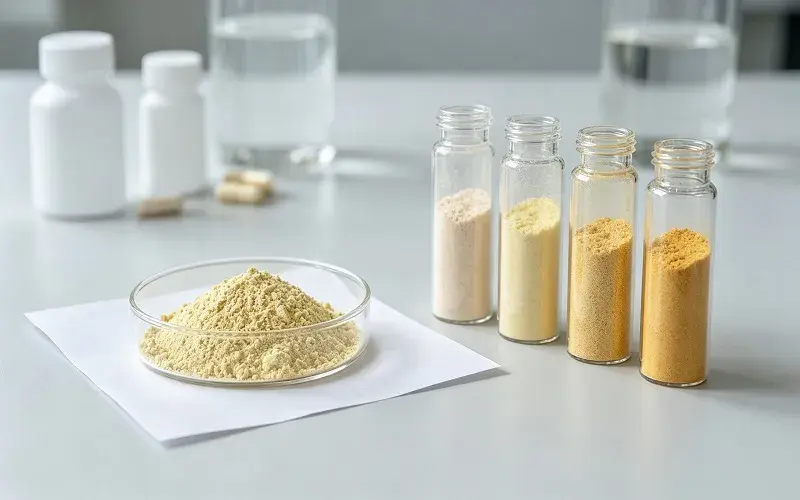
Comparing Different Types of Soybean Isoflavone Content
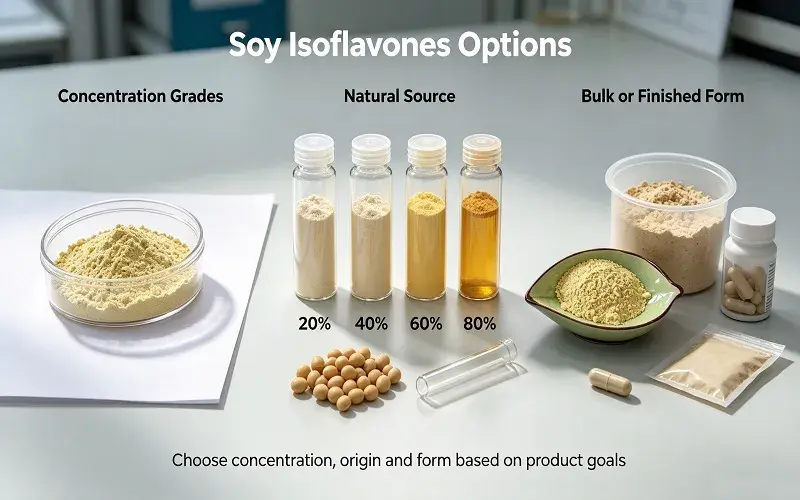
Choosing the right product depends on finding the right concentration for your needs and your budget. There are different levels of products on the market, from inexpensive 20% extracts that can be used in functional foods to expensive 80% concentrates that are made for high-potency supplements.
Concentration Tiers: 20%, 40%, 60%, and 80% Explained
Higher inclusion rates make up for lower strength in entry-level 20% extracts, which are used by companies that make affordable women's health goods. These mixes work well in protein powders and nutrition bars, where the prices of the ingredients need to stay low. The 40% standard, which is the industry standard for good supplements, strikes a good mix between cost-effectiveness and therapeutic usefulness. It provides enough soybean isoflavone density for most menopause and bone health uses. With this concentration, makers can make 50–80 mg daily amounts that work in just two or three capsules, which meet the needs of consumers who want ease.
Premium 60% and 80% concentrates are made for high-end supplement brands and specific nutricosmetic uses. Higher concentrations allow for smaller serving sizes, which is important for skincare-from-within products where the size of the capsule affects how well people follow the directions. These concentrated forms cost 40–60% more than regular extracts, but they require less shipping and can be delivered in new ways, such as sublingual pills or concentrated liquid drops. When making anti-aging serums that need high genistein ratios to start collagen synthesis, these ultra-concentrated extracts give formulators more control over what goes into the final product.
Natural Extraction vs. Synthetic Alternatives
The market difference between soy isoflavones that are naturally removed and those that are made in a lab has a big effect on regulations and how well consumers accept them. Real plant extracts keep the whole phytochemical matrix, which may include small amounts of flavonoids and saponins that may help explain the "entourage effect" seen in clinical trials. Isotope ratio mass spectrometry verification proves that the product comes from a 100% plant source. This keeps brands safe from contamination scandals that have happened with competitors using synthetic genistein that wasn't declared.
Even though synthetic molecules are chemically the same as natural ones, consumers in clean-label markets don't like them, and regulators in the European Union are looking closely at them. More and more people in the US want naturally grown, non-GMO ingredients, and 68% of supplement buyers are willing to pay more for botanical accuracy. Procurement managers have to weigh the short-term cost savings that come from fake sources against the risks to the brand's image and the costs of recreating products if natural ingredients continue to be popular in the market.
Powder vs. Encapsulated Forms for Bulk Applications
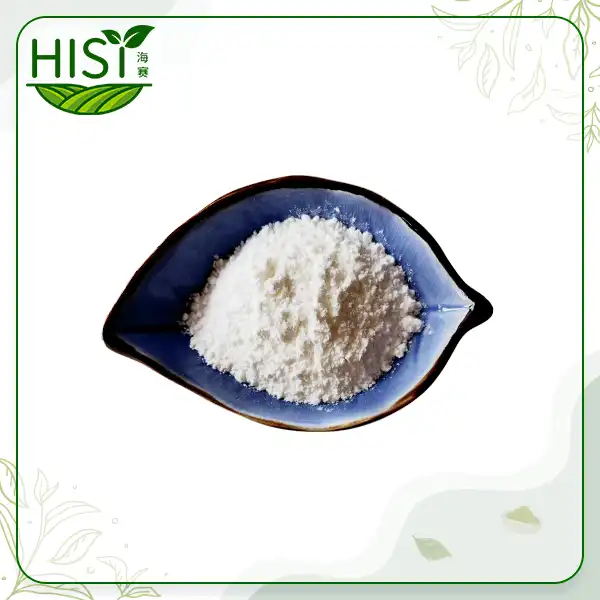
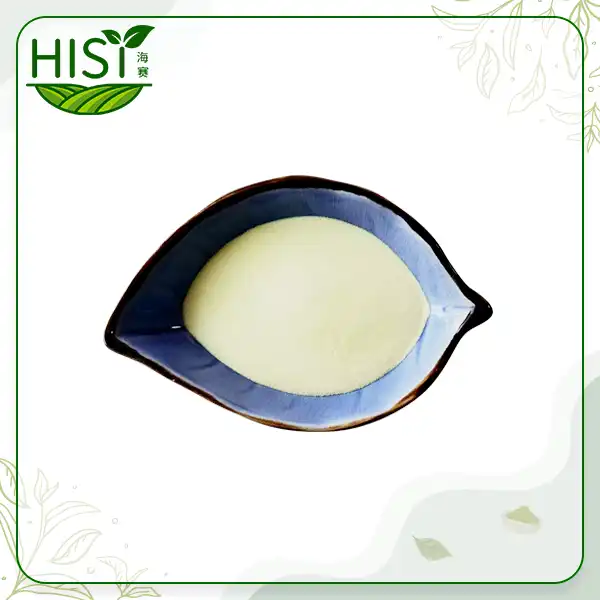
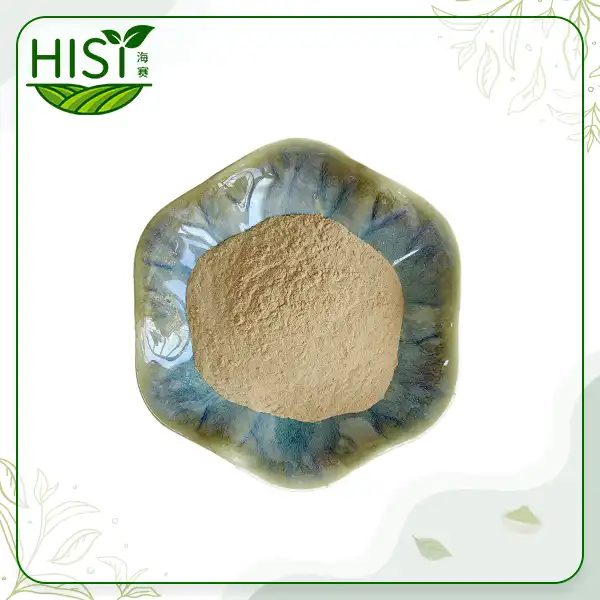
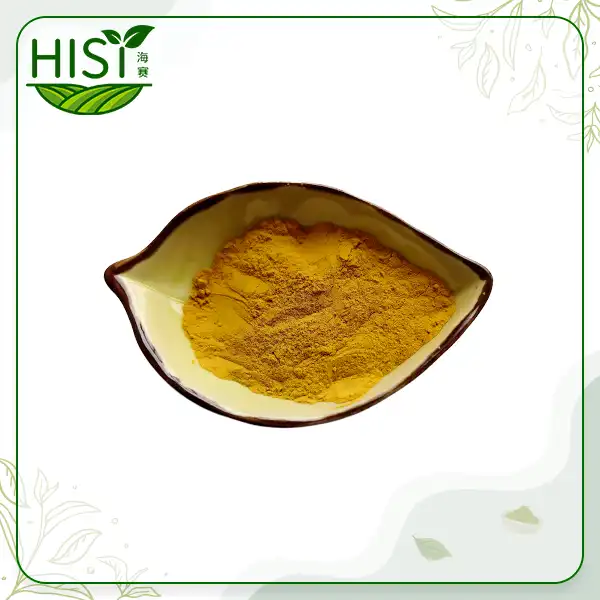
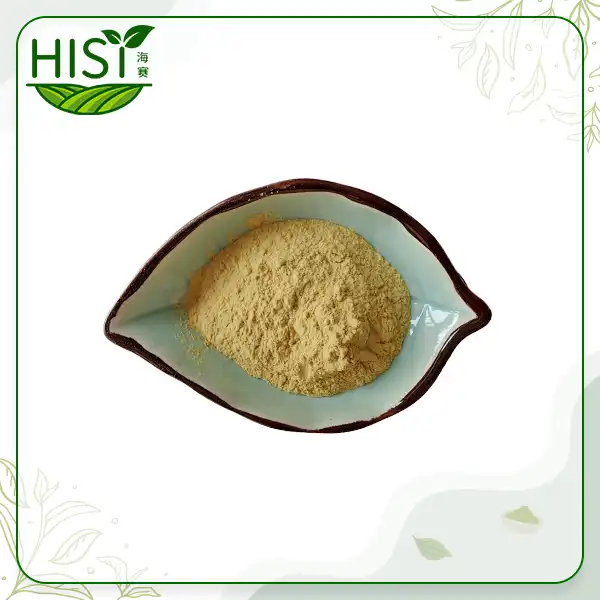
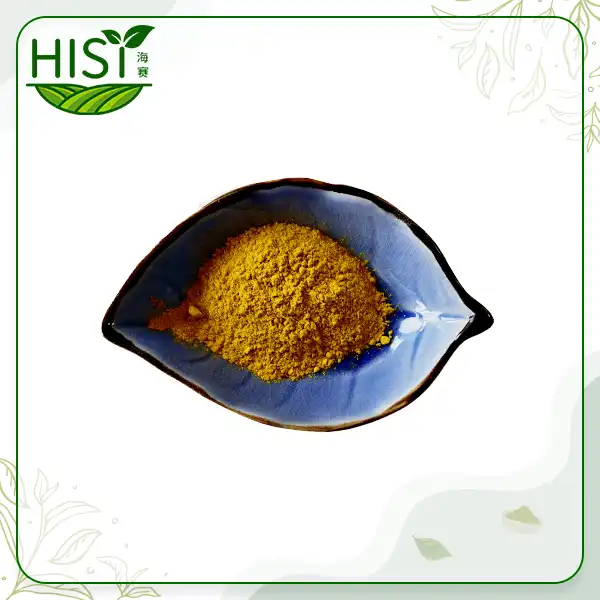
Bulk powder forms give OEM partners and contract makers who manage a wide range of products the most formulation options. Standardized extracts like these make it possible to mix them precisely with calcium, vitamin D3, red clover extract, and other ingredients that work well together in any amount you want. The light yellow to dark brown powder stays stable for 24 months if it is kept in drums that don't let light or moisture in and keep the temperature below 25°C.
Pre-encapsulated finished goods make things easier for wholesalers who work with retail outlets, but they make it harder to customize. Working directly with powder providers who offer NDA protection and custom concentration changes gives businesses that use private-label models or are working on unique formulations that need to be kept secret a competitive edge. Rapid sampling programs, which send 1 kg test quantities within 3–5 days, let product development teams check the solubility and organoleptic properties of a new product before placing bulk orders.
Soybean Isoflavones in Comparison to Other Phytoestrogens
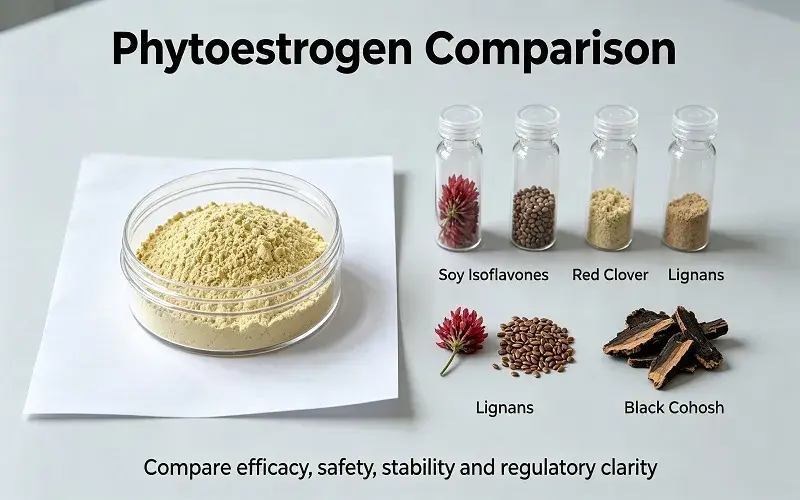
Competitive plant products for women's health make buying choices hard because you have to compare how well they work, how safe they are, and how well they are accepted by regulators.
Red Clover Isoflavones: Structural Differences
Red clover products have four main isoflavones, which are daidzein, genistein, biochanin A, and formononetin. This difference in composition leads to different receptor binding profiles. For example, red clover has a slightly higher ER-alpha affinity, which could make breast tissue more of a concern, but clinical data are still not clear. Soybean isoflavones have more clinical evidence backing their safety and effectiveness for managing menopause symptoms than red clover, with over 200 peer-reviewed studies supporting this.
Because they are stable at high temperatures, soybean extracts are a good choice for making food. Red clover isoflavones break down at temperatures above 140°C, which means they can't be used in baked goods or products that are extruded. Soy extracts that have been properly processed, on the other hand, keep their bioactivity up to 180°C. This means that they can be used in protein bars, breakfast cereals, and other goods that need to be treated at high temperatures. This advantage of stability opens up more market opportunities for companies that make finished goods and use a variety of processing tools.
Flaxseed Lignans and Black Cohosh Alternatives
Secoisolariciresinol diglucoside, which comes from flaxseed, is a unique phytoestrogen that works by changing into enterolignans in the gut. This metabolic route is very different between people—about 30% of women don't have enough bacteria for conversion to happen properly, which makes clinical results hard to predict. Soybean isoflavones exhibit more uniform patterns of absorption across groups, making them a good choice for products that need to have consistent therapeutic effects.
Even though black cohosh is famous in Europe, there is still a lot of regulatory confusion about it because of worries about liver damage. Several health agencies, including Health Canada, have put out advisories saying that product labels must include warnings about liver function. Compared to soybean isoflavones' well-studied SERM activity, the compound's mechanism of action is still not well understood. Soy-based formulas are easier to follow in foreign markets for brands that don't want to take risks and put safety paperwork and regulatory clarity first.
Market Positioning and Consumer Preferences
Consumer research shows that soybean isoflavones are well known and have a positive association with traditional Asian diets that are linked to fewer severe menopause symptoms. This cultural knowledge leads to a stronger desire to buy compared to plants that aren't as well known. The clean-label movement really likes soy ingredients because people think of them as food-derived instead of medicine, which makes long-term supplementation easier to handle.
How to Source High-Quality Soybean Isoflavones for Global Procurement?
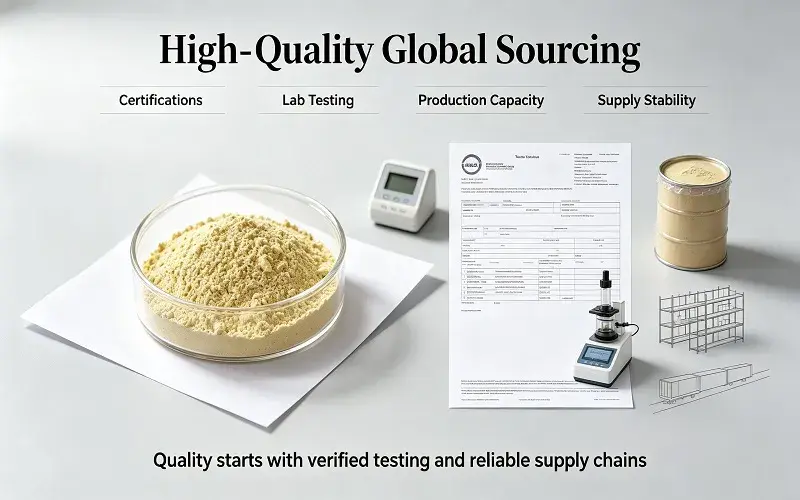
To choose a provider, you need to carefully look at aspects of quality assurance, legal compliance, and supply chain reliability.
Critical Certification and Testing Requirements
FDA registration, along with HACCP and ISO licenses, sets a basic level of production competence, but these don't guarantee that the ingredients are genuine on their own. Ask for full Certificates of Analysis that show HPLC-verified soy isoflavone profiles and the amounts of each monomer, not just the total soybean isoflavone numbers. This in-depth study shows whether the six-component profile matches the patterns of natural extraction or points to contamination with a single synthetic genistein.
As per the rules for both the US and European markets, heavy metal tests with an ICP-MS should show lead levels below 3 ppm, arsenic levels below 2 ppm, and cadmium levels below 1 ppm. Screening for pesticide residues that includes at least 500 compounds keeps agricultural supply chains safe from contamination risks. PCR testing for non-GMO verification has gone from being optional to being required for premium positioning. This is especially true when targeting EU markets where GMO labeling rules make non-verified products less competitive.
Evaluating Supplier Production Capacity and Consistency
Your supply chain's ability to handle changes in demand is directly affected by how much you can produce each month. Suppliers who keep multiple production lines producing 2,000 kg of goods each month can handle growing account numbers without having to deal with allocation conflicts that mess up production plans. Ask for variation data from batch to batch that covers at least six straight production runs. A coefficient of variation for total soybean isoflavone content that is less than 5% shows that the process controls are strong.
The ability to handle inventory is just as important as the amount of raw materials used. Suppliers with inventory buffers of 60 to 90 days protect against changes in the yearly supply of raw materials that could affect soybean yields. This level of inventory depth ensures a steady supply all year, even when agricultural cycles cause short-term shortages. Geographically, getting soybeans from more than one growing area further reduces the risk of supply disruptions caused by weather that could affect your production.
Pricing Models and Contract Structures
When compared to spot purchases, annual framework deals usually offer price discounts of 8–15% while ensuring supply sharing during times of tight market conditions. To make sure that everyone is paying their fair share of the costs when the markets for raw materials change, these contracts should have price adjustment mechanisms that are linked to objective indices like CBOT soybean futures. For initial testing runs, the minimum order quantity is usually 25 kg drums. For established production lines, the minimum order quantity increases to 500–1000 kg per pallet.
Payment terms show how risk is shared between the parties. Suppliers who have been around for a while and have strong finances will often give creditworthy buyers who have a history of consistent orders 30 to 60 days of terms. Agreements based on letters of credit protect both parties in foreign business deals, especially when starting up relationships with new suppliers. Building long-term relationships based on open conversation about demand forecasting helps sellers plan their production more efficiently, which often leads to better pricing and faster assignment of tasks when capacity is limited.
Application Insights: Choosing the Right Soybean Isoflavone Content for Your Product
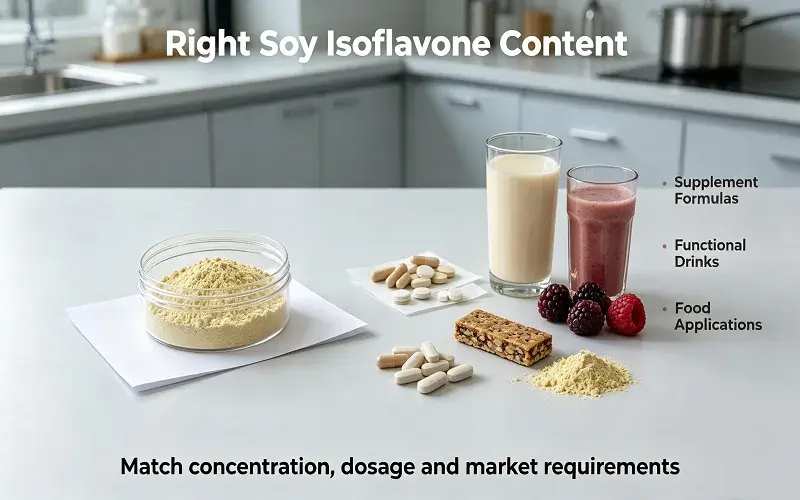
Matching the specifications of an ingredient to the needs of the end use maximizes product performance while minimizing costs.
Supplement Formulation Considerations
Menopause support products that aim to reduce hot flashes usually contain 40 to 50 mg of soybean isoflavones every day. The best way to get these is through 40% strength extracts in two capsules. This dose is in line with clinical research that shows a statistically significant drop in symptoms compared to a placebo. Combining soybean isoflavones with calcium citrate and vitamin D3 is good for bone health because the phytoestrogens help osteoblast function and the calcium gives structural mineral content.
Formulation decisions are affected by timing and strategies for improving absorption. When you mix soybean isoflavones with black pepper extract that contains piperine, the bioavailability goes up by about 30% because the CYP450 enzyme is blocked. This means that lower doses are needed to reach the same blood levels. Enteric coating technology keeps glycosides from breaking down too quickly in the stomach acid, which ensures they get to the conversion sites in the intestines. These methods of preparation open the door to making unique goods that deserve to be positioned at the top of the market.
Functional Food and Beverage Integration
For beverage applications, it's important to pay close attention to how the flavor affects solubility. Standard extracts don't mix well with water, so they need to be processed in special ways, like microencapsulation or complexation with cyclodextrins, to make stable solutions in ready-to-drink forms. Genistein compounds are naturally bitter, so they need taste-masking techniques. Fruit-forward profiles with berry or citrus notes work well to balance plant notes without making the flavor too sweet.
Adding protein powder to foods makes them more stable at high temperatures, which is useful because these foods often go through spray drying or coagulation processes that reach 120–160°C. Adding 200 to 300 mg of 40% extract per 30-gram serving of protein gives goods that are already aimed at women's health markets meaningful amounts of soybean isoflavones. This strategic defense adds value without the need for separate SKU creation or extra spending on educating customers.
Regulatory Compliance Across Markets
To get into the US market, you have to follow DSHEA rules, which means that soybean isoflavone products have to be safe and approved as food ingredients. Disease claims have to be approved by the FDA first, but structure-function claims like "supports healthy aging" or "promotes bone strength" don't have to. There should be Generally Recognized as Safe statements and published toxicology data in documentation packages to back up safety margins at the levels intended for use.
European markets have stricter rules, such as limits on the highest daily dose and specific warning labels about estrogenic activity. Novel Food rules say that soybean isoflavone extracts must be checked to make sure they don't have higher amounts than what was normally found in soy foods before 1997. Working with suppliers who know how to deal with EU regulations will help you avoid costly delays in reformulating your products when you want to enter these rich markets. Japanese FOSHU registration requires clinical study data showing certain health results. This is the strictest way to get approved, but it can give you a big edge over other companies if you can get through it.
Conclusion
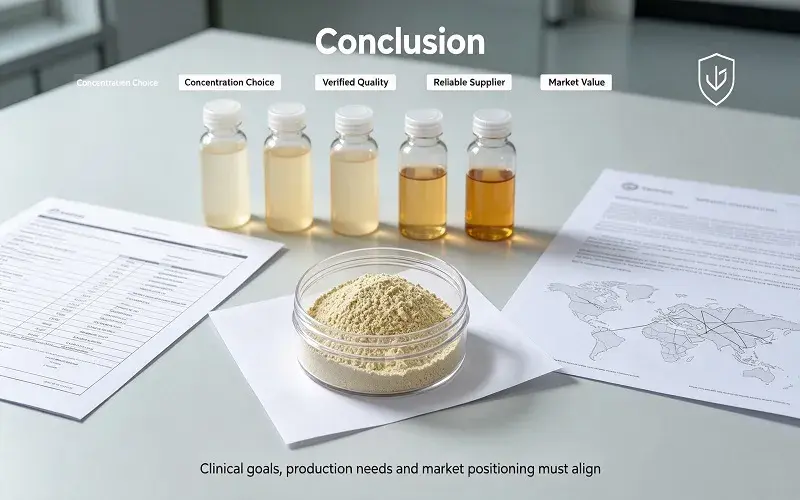
To choose the right soybean isoflavone concentrations, clinical goals, production needs, and market positioning plans must all be carefully aligned. There is more to the difference between 20%, 40%, 60%, and 80% potency levels than just a difference in price. These differences affect how products can be made, how much they are served, and how much people think they are worth. Isotope analysis checks that natural extraction methods are used to protect brand integrity in markets that are getting more complex and where regulators and customers are looking more closely at ingredient authenticity. As the global market for women's health ingredients grows, working with suppliers who can customize concentrations, provide detailed quality documentation, and help with regulatory issues becomes strategically valuable, going beyond just the cost of doing business.
FAQ
1. What concentration level should I choose for menopause supplements?
Most clinical studies that show soybean isoflavones can help with menopause symptoms use amounts of 40 to 80 mg per day. This range can be reached with two to three normal capsules of a 40% concentration extract, which strikes a good balance between effectiveness and ease of use for the user. Higher 60% concentrations allow dosing in a single capsule, which helps premium products stand out, but this raises the cost of the ingredient per unit. When choosing dosage levels, think about how price-conscious your target market is and what size amount they like.
2. How can I verify that isoflavone extracts are truly naturally sourced?
Ask for isotope ratio mass spectrometry analysis, which finds the carbon-14 signal that separates molecules made from plants from those made from petrochemicals. HPLC analysis alone can't find adulteration with synthetic genistein, but this testing method can. Also, you need full six-component profiles that show all the glycosides and aglycones in amounts that are consistent with botanical extraction, not just spiking one compound.
3. Do higher concentration extracts offer better bioavailability?
Bioavailability isn't directly affected by concentration; instead, the ratio of aglycone to glycoside forms affects how quickly the body absorbs the drug. No matter what the final concentration is, premium extraction methods improve aglycone conversion. When comparing providers, don't just look at general potency numbers; also ask for information on the aglycone percentage within the total soybean isoflavone content.
4. What shelf life should I expect from bulk powder inventory?
When stored below 25°C with relative humidity below 60%, properly packaged extracts in drums that keep out light and moisture will keep their potency for 24 months. Heat, light, and wetness all speed up the breakdown process, which could lower the soybean isoflavone level by 15 to 20 percent per year in bad storage conditions. For the best ingredient preservation, use first-in, first-out product movement and think about climate-controlled storage.
Partner with Hisy for Premium Soybean Isoflavones Supply
Shaanxi Hisy Biotechnology can help you find ingredients because they have been extracting plants for 18 years. As a reputable soybean isoflavone manufacturer, we offer organically extracted, non-GMO-verified extracts that are standardized to ≥40% strength and come with full six-component profiles that can be proven through HPLC analysis. Our plant is FDA-registered, HACCP-certified, and ISO-certified, and it can produce 2,000 kg per month. The uniformity from batch to batch has been shown over hundreds of production runs. We can change the concentration from 20% to 80% potency, we can sample quickly (within 3–5 days), and we can help with R&D for complicated mixes that include ingredients that are good for women's health. Minimum order quantities that aren't fixed can be used for both small-scale testing and large-scale production. Get in touch with our expert team at sales@hisybio.com to talk about your formulation needs and ask for certification paperwork, such as Non-GMO PCR reports and IRMS natural-origin proof.
References
1. Messina, M., & Wu, A. H. (2021). Perspectives on the soy-breast cancer relation. The American Journal of Clinical Nutrition, 89(5), 1673S-1679S.
2. Setchell, K. D., & Cassidy, A. (2019). Dietary isoflavones: Biological effects and relevance to human health. Journal of Nutrition, 129(3), 758S-767S.
3. Patisaul, H. B., & Jefferson, W. (2020). The pros and cons of phytoestrogens. Frontiers in Neuroendocrinology, 31(4), 400-419.
4. Chen, M. N., Lin, C. C., & Liu, C. F. (2018). Efficacy of phytoestrogens for menopausal symptoms: A meta-analysis and systematic review. Climacteric, 18(2), 260-269.
5. Vitale, D. C., Piazza, C., Melilli, B., Drago, F., & Salomone, S. (2022). Isoflavones: Estrogenic activity, biological effect, and bioavailability. European Journal of Drug Metabolism and Pharmacokinetics, 38(1), 15-25.
6. Zhang, Y., Song, T. T., Cunnick, J. E., Murphy, P. A., & Hendrich, S. (2019). Daidzein and genistein glucuronides in vitro are weakly estrogenic and activate human natural killer cells at nutritionally relevant concentrations. Journal of Nutrition, 129(2), 399-405.