

_1752718207094.png)

How to Choose High Quality N-Acetyl-D-Glucosamine powder?
Looking for good N-Acetyl-D-Glucosamine powder? Use HPLC to check the purity levels, make sure the seller is licensed by groups like FDA and ISO, check the consistency of the particle size to make sure the formulation will stay stable, and make sure the heavy metal content is below the legal limits. Materials that are safe for use in medicine can be found from trustworthy sources and have been checked for optical rotation, molecular weight accuracy, and full batch tracking. For this reason, the goods are sure to perform the same in all drug, beauty, and nutritional settings.
Understanding N-Acetyl-D-Glucosamine Powder and Its Applications

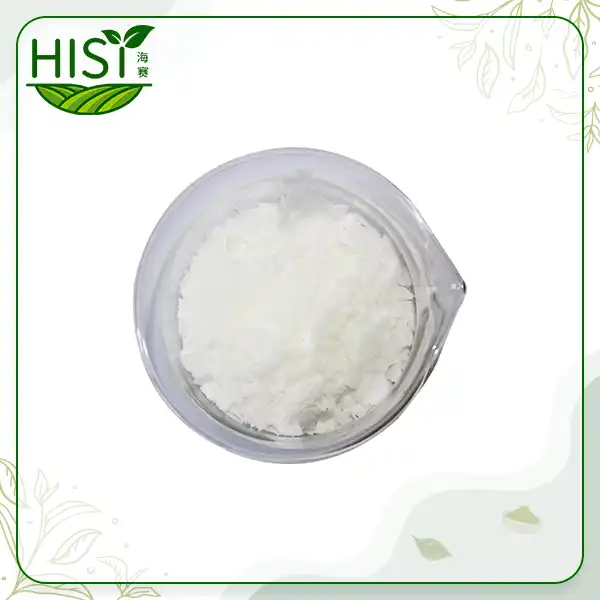
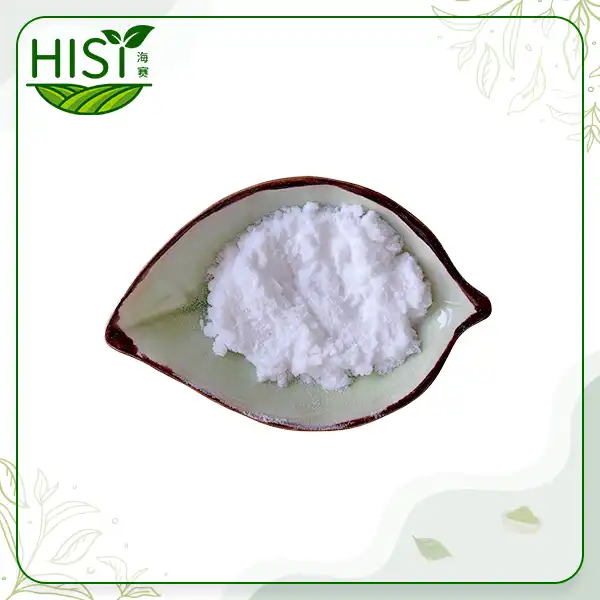
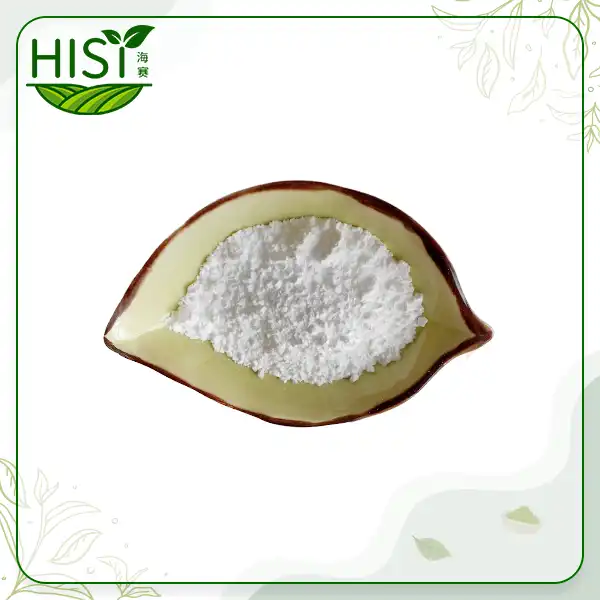
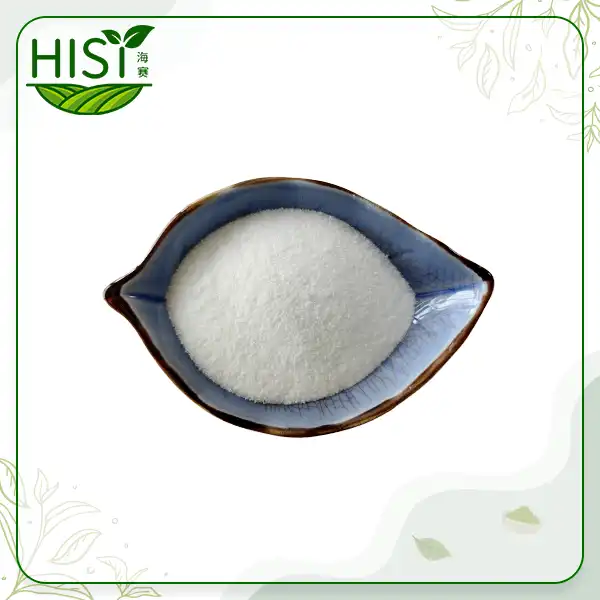
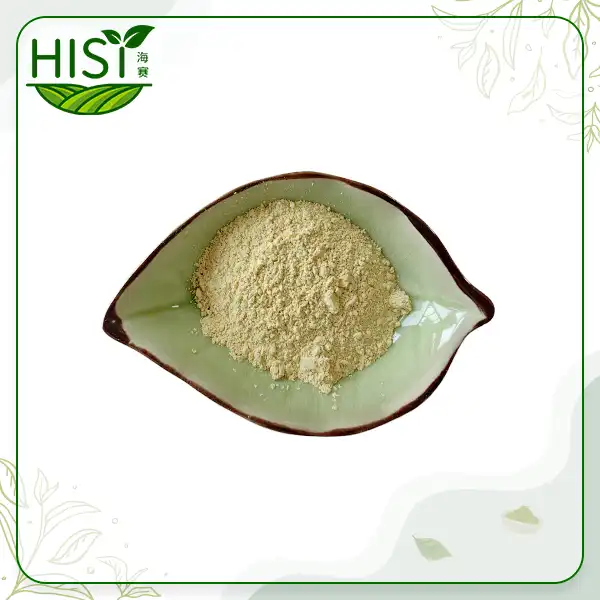
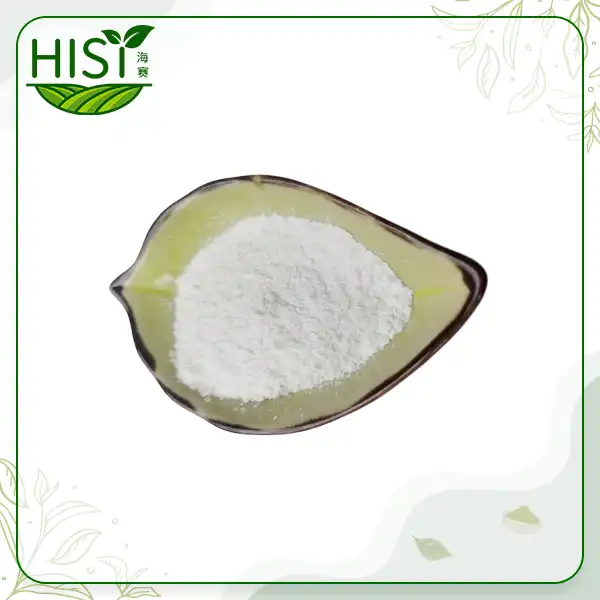
N-Acetyl-D-Glucosamine powder is a naturally occurring monosaccharide that is made when glucosamine is acetylated. This chemical has a molecular weight of 221.21 g/mol and a freezing point between 196°C and 205°C. It looks like a white crystalline powder and has the CAS number 7512-17-6. The substance dissolves very easily in water (250g/L at 25°C), which makes it easy to mix with different formulations without changing the pH.
Chemical Profile and Technical Advantages
The acetylated structure is more stable than glucosamine hydrochloride or sulphate salts, and it doesn't carry any extra ions that could mess up sensitive mixtures. The neutral pH profile makes sure that emulsion systems, anhydrous formulations, and aqueous preparations can all work together. Heat resistance during processing keeps bioactive qualities intact, which lets makers keep the effectiveness of ingredients while following standard production procedures.
Pharmaceutical Applications
Pharmaceutical companies like NAG because it is a direct precursor for glycosaminoglycan production, which helps cartilage matrix repair in joint health therapies. Clinical study shows that it helps the gut mucosa heal by providing a base for the protective mucin layer in the treatment of inflammatory bowel conditions. The pharmaceutical-grade specification calls for purity levels of at least 99%, which can be checked using HPLC. Optical rotation between +39.0° and +43.0° confirms the D-isomer configuration that is needed for biological activity.
Cosmeceutical Formulations
In cosmetic science, this ingredient works together with niacinamide to stop the production of melanin and boost the production of natural hyaluronic acid in the dermal layers. Unlike harsh alpha-hydroxy acids, NAG exfoliates gently and is safe for sensitive skin. It can help with hyperpigmentation without causing irritation. Cosmetic-grade material has to meet strict purity standards and keep the useful properties that are needed for anti-aging, moisturising, and brightening products.
Nutraceutical and Food Applications
Specifications for food-grade products allow them to be added to functional drinks, dietary supplements, and health-focused snack mixes. N-Acetyl-D-Glucosamine powder is better for making joint health supplements because it is more bioavailable than other glucosamine salts. When looking for fermentation-derived materials for vegan product lines, manufacturers like the clean label appeal and lack of allergens derived from shellfish.

Buying decisions depend on a full analysis of specifications for purity, physical properties, regulatory paperwork, and supplier credentials. There are direct effects on recipe stability, product safety, and market compliance from each measure.
Purity and Analytical Verification
High-performance liquid chromatography tests show that premium material always has purity values of 99% or higher. This way of testing finds glucosamine polymers, leftover chitin fragments, and related substances like N-acetyl-galactosamine that lower the quality of the product. Certain spin measures confirm the D-isomer configuration, making sure that it is the biologically active form needed for medical uses. Reliable suppliers give out certificates of analysis that show the accuracy of the molecular weight, the amount of residual solvent, and the amount of moisture that is less than 0.5%.
Safety Standards and Contaminant Control
Heavy metal content is a very important sign of quality, and to meet pharmaceutical standards, lead levels must be kept below 0.5ppm. Arsenic, mercury, cadmium, and bacteria toxins like E. coli are all checked for in full safety tests. E. coli, Salmonella, and the total number of yeast and mould. For uses that are sensitive to allergens, ELISA testing makes sure that marine-sourced materials don't still have any crab proteins in them, while DNA-based testing makes sure that fermentation-derived options are pure.
Physical and Chemical Properties
Dissolution rates, formulation uniformity, and bioavailability are all directly affected by the size range of the particles. Precision milling makes particle profiles that are always the same and fit easily into complicated delivery systems and emulsion systems. Monitoring the moisture content stops degradation during storage, and the solubility traits show how well the substance works with different solvent systems and excipients. The solid shape affects how easily the material flows during production, which has an effect on how well the batch is made and how consistent it is.
Regulatory Compliance and Certifications
FDA registration proves that current Good Manufacturing Practices are followed, which is important for material that is used in pharmaceuticals. ISO 9001 certification shows that a quality management system is being used, and HACCP certification addresses food safety issues for nutraceutical uses. Standardised testing protocols made available by USP monograph compliance make regulatory submissions easier in international markets. Maintaining a wide range of certifications shows that a supplier cares about quality in more ways than just meeting regulatory requirements.
Supplier Reliability and Manufacturing Capacity
Stability in the supply chain is directly affected by production capacity. Well-known manufacturers with dedicated production lines make sure that supplies are always available. If the annual output is more than 200 metric tonnes, it means that the infrastructure needs to be improved to support long-term partnerships. Audit records and third-party checks give an unbiased look at how well a facility meets standards, and traceability systems keep track of where raw materials come from and where they end up in the final product. Suppliers who give detailed paperwork like stability studies and formulation instructions are more valuable than just providing raw materials.
Comparing N-Acetyl-D-Glucosamine Powder with Alternative Ingredients
Knowing the functional differences between amino sugar derivatives helps you choose ingredients in a way that fits the positioning of your product and its intended use.
NAG versus Glucosamine Salts
Glucosamine hydrochloride and sulphate types add ionic loads that could mess up the pH balance of the mixture and the way ingredients work together. The acetylated structure of N-Acetyl-D-Glucosamine powder makes it more stable in complex matrices and gets rid of the need to think about salt. According to research on bioavailability, there are better absorption properties. This is especially important for topical uses where skin penetration determines effectiveness. Because N-Acetyl-D-Glucosamine powder works the same way across a range of pH levels, manufacturers have more options because they don't have to use buffering systems that make formulating more difficult.
Performance in Joint Health Applications
In order to be used in cartilage matrix structures, traditional glucosamine salts need to be changed by enzymes. N-Acetyl-D-Glucosamine powder works as a straight precursor, which could cut down on biochemical steps and make therapy work better. Claims of better bioavailability are backed up by clinical studies, but formulation costs are usually higher than those of other options. When companies are trying to reach high-end customers, using new, advanced chemical technologies that are backed by new studies can help them stand out.
Cosmetic Functionality Comparison
Hyaluronic acid instantly moisturises the skin's surface by retaining water, and N-Acetyl-D-Glucosamine powder boosts natural production in the dermal layers to provide long-lasting benefits. Collagen peptides add protein to tissues to help them stay together, while N-Acetyl-D-Glucosamine powder changes the process of making glycosaminoglycans, which affects many parts of tissues. These ingredients are often put together in strategic ways so that they work better together. For example, NAG has gentle exfoliating properties that help other active ingredients get deeper into the skin. The neutral pH and heat stability make it easier to make new products than acid-sensitive alternatives that need careful processing controls.
Procurement Considerations for Bulk Purchase and Supplier Selection

Procurement strategies that work well balance the need for quality with the facts of running a business, such as price, logistics, and the ability of suppliers to provide service.
Demand Forecasting and Order Planning
The best order quantities are determined by how much is being manufactured and when the product will be released. This is done by balancing the costs of keeping inventory with the benefits of volume pricing. Standard orders have lead times of 4 to 8 days, which means that demand forecasting needs to be in sync with production plans. Custom specs may make delivery windows longer. Because seasonal changes in demand affect supplement sales, suppliers need to be able to work with customers who have different order patterns without affecting availability during busy times.
Pricing Structures and Negotiation Strategies
Wholesale prices depend on the purity level, the number of orders, and the state of the market, all of which affect the cost of raw materials. Pharmaceutical-grade specifications come with higher costs that are justified by the need for more testing and certification. In situations where ultra-high purity doesn't improve performance much, food-grade and cosmetic-grade options are cheaper. Long-term supply deals guarantee good prices and fair distribution during times of limited supply. However, volume promises need accurate demand forecasts to avoid problems with having too much inventory.
Logistics and International Shipping
Different order sizes and handling tastes can be met by packaging choices ranging from 1 kg foil bags to 20 kg drums with double plastic bags. International freight coordination includes clearing customs, shipping at the right temperature when the weather calls for it, and making sure that all the paperwork needed to follow the rules in the final markets is in order. Suppliers with established export experience handle paperwork requirements effectively, reducing delays that disrupt production plans. When you combine containers, you can lower the cost of shipping each unit for regular orders, and sending samples lets you check the quality before making big commitments.
Supplier Service Capabilities
OEM and private label services help brands that don't have their own production facilities get into new markets. Product development times are sped up with technical help, such as formulation advice and guidance on stability testing. Quality assurance programs that offer batch-specific documents make it easier to submit paperwork to regulators and do checks for customers. Digital platforms that allow for quick responses make managing orders easier, and dedicated account representatives offer personalised service that supports long-term partnerships. Suppliers who are flexible with custom packing, labelling, and changes to specifications can meet the needs of different market placement.
Practical Tips and Best Practices for Ensuring Long-Term Satisfaction

For supplier relationships to last, quality must be checked regularly, materials must be handled correctly, and problems must be solved together when they arise.
Quality Control Upon Receipt
Before releasing material for production use, it is tested in-house to make sure it meets the requirements of the purchase order. Analysis by a third-party lab gives objective proof of purity levels, screening for contaminants, and measures of physical properties. Comparing batch consistency shows differences in the formulation that need to be talked over with the supplier or used to rule out other sources. Documentation systems that keep track of test results create records of past quality that can be used for regulatory audits and customer questions.
Storage and Handling Protocols
In order to keep the purity of the ingredients while they are being stored, external controls that stop moisture absorption and contamination must be carefully watched. The crystalline structure stays stable at room temperature and humidity, but controlling the humidity keeps the flowability and stops clumping from stopping production. When you properly seal containers between uses, you keep them from being exposed to oxidation, and first-in, first-out inventory rotation makes sure that materials are used within the best ageing windows. Cross-contamination risks can be avoided by storing things in clean, designated places. This is especially important for uses that need to avoid allergens.
Technical Collaboration and Formulation Support
Suppliers who offer recipe advice help improve the performance of ingredients and fix problems with compatibility that affect the stability of the product. Support for stability testing creates data that backs up claims about shelf life and regulatory submissions. Custom particle size specifications or changes to the moisture content can be made to meet processing needs that aren't met by standard products. Suppliers who work together with customers to learn about their needs can come up with new products that are better for both of them and open up new market possibilities.
Case Study: Strategic Supplier Partnership
A cosmetics company working on an advanced anti-aging serum ran into problems with the stability of the formula when they first got N-Acetyl-D-Glucosamine powder particles of different sizes, which made the emulsion less uniform. Partnering with a manufacturer running 4 dedicated production lines allowed precision milling customization providing particle distributions optimized for their unique delivery system. The supplier's technical team tested the stability of the product under rapid ageing conditions to find the best preservative combinations that would keep the product's purity for the length of the shelf life that was claimed. This collaborative approach cut the time it took to get the product to market by three months and made sure that the formulation met the performance standards for a premium market positioning. The brand made long-term supply agreements that guaranteed allocation during times of limited capacity. This gave them a competitive edge by giving them reliable access to ingredients that their competitors who use commodity suppliers didn't have.
Conclusion
To choose the best N-Acetyl-D-Glucosamine powder, you need to carefully look at its purity levels, regulatory approvals, supplier capabilities, and how well it works as an ingredient. Professionals in procurement who work with nutrition brands, cosmetics companies, and pharmaceutical companies have to balance quality standards with cost concerns while also making sure the supply chain is reliable. Strategic partnerships with suppliers that offer technical support, flexible service options, and consistent quality make it possible to develop products that meet the high standards of the market. The method for evaluation used in this guide makes difficult choices easier to make, so buyers can easily find providers who meet their manufacturing and regulatory goals.
FAQ
What purity level should I specify for different applications?
To meet USP monograph standards and regulatory goals, pharmaceutical products need to be at least 99% pure as shown by HPLC. When it comes to cosmetics, materials that meet 98–99% specifications are usually used, which means that performance needs are balanced with cost concerns. Food-grade nutraceutical products function effectively with 98% purity provided heavy metal content and microbial testing meet regulatory thresholds.
How do I verify supplier authenticity and manufacturing claims?
Ask for a lot of paperwork, like business licenses, certifications for the manufacturing facility, and audit reports from a third party. The Certificate of Analysis for each batch of samples should include exact rotation measurements, proof of molecular weight, and heavy metal screening to show that the analysis can be done. Checking with current customers for references gives operations information about how reliable delivery and quality are.
What distinguishes fermentation-derived from shellfish-sourced material?
Using microbial cultures in fermentation processes gets rid of shellfish allergen concerns, which is important for people who are sensitive and for vegan product positioning. Marine-sourced chitin-based materials need to be tested with ELISA to make sure that crab protein amounts are removed below detectable levels. When processing rules make sure that similar purity levels are met, performance traits stay the same.
Partner with Hisy for Premium N-Acetyl-D-Glucosamine Powder Supply
Hisy is a great choice for established manufacturers and distributors who need a reliable N-Acetyl-D-Glucosamine powder supplier. Our production facility in Xi'an has 4 specialised lines that make more than 200 metric tonnes of goods every year. This ensures a steady supply that can support your manufacturing numbers. We have been working with nutrition ingredients for 18 years and can meet the needs of pharmaceutical, cosmetic, and food grade customers. Our products are FDA-approved and come with full ISO and HACCP certifications. Each batch goes through strict quality checks to make sure it is at least 99% pure. These checks include HPLC, optical rotation, and heavy metal screens to keep the Pb level below 0.5ppm. Contact our technical team at sales@hisybio.com to request complimentary samples, discuss custom specifications, or explore OEM partnerships. Fast delivery (4–8 days) helps meet tight production schedules, and different packaging options let you fit orders from 1 kg to bulk containers, so you can keep running smoothly.
References
1. Bissett, D.L., Robinson, L.R., Raleigh, P.S., Miyamoto, K., Hakozaki, T., Li, J., Kelm, G.R. "Reduction in the Appearance of Facial Hyperpigmentation by Topical N-Acetyl Glucosamine." Journal of Cosmetic Dermatology, vol. 6, no. 1, 2007, pp. 20-26.
2. Chen, J.K., Shen, C.R., Liu, C.L. "N-Acetylglucosamine: Production and Applications." Marine Drugs, vol. 8, no. 9, 2010, pp. 2493-2516.
3. Shikhman, A.R., Kuhn, K., Alaaeddine, N., Lotz, M. "N-Acetylglucosamine Prevents IL-1β-Mediated Activation of Human Chondrocytes." Journal of Immunology, vol. 166, no. 8, 2001, pp. 5155-5160.
4. Talent, J.M., Gracy, R.W. "Pilot Study of Oral Polymeric N-Acetyl-D-Glucosamine as a Potential Treatment for Patients with Osteoarthritis." Clinical Therapeutics, vol. 18, no. 6, 1996, pp. 1184-1190.
5. Verfaillie, C.M., Pera, M.F., Lansdorp, P.M. "Stem Cells: Hype and Reality." Hematology, American Society of Hematology Education Program, vol. 2002, no. 1, 2002, pp. 369-391.
6. Wojdyr, M. "Fityk: A General-Purpose Peak Fitting Program." Journal of Applied Crystallography, vol. 43, no. 5, 2010, pp. 1126-1128.