

How to Choose High-Quality Riboflavin Powder for Manufacturing
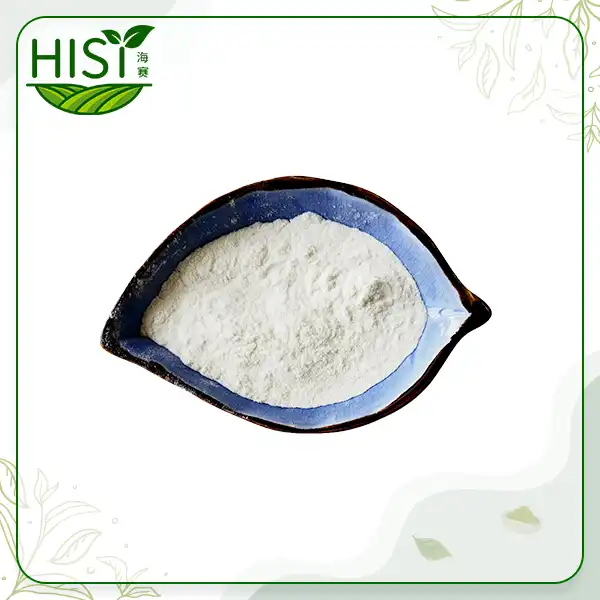
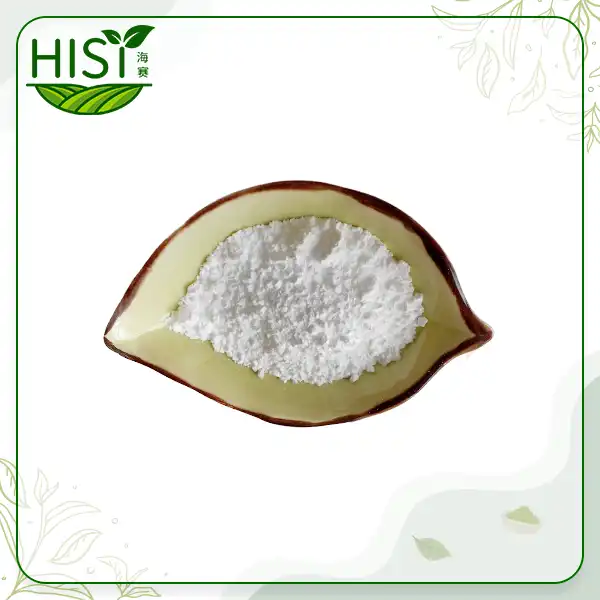
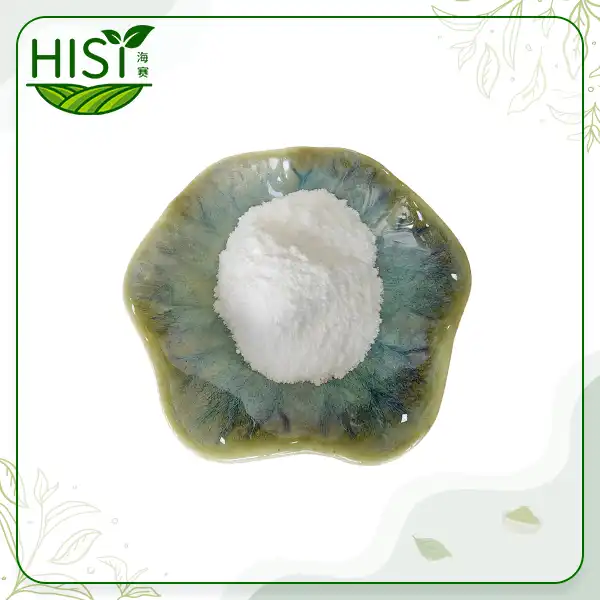
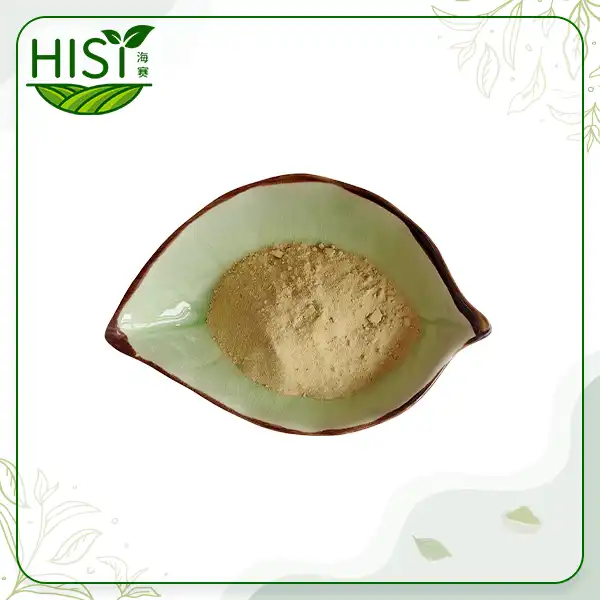
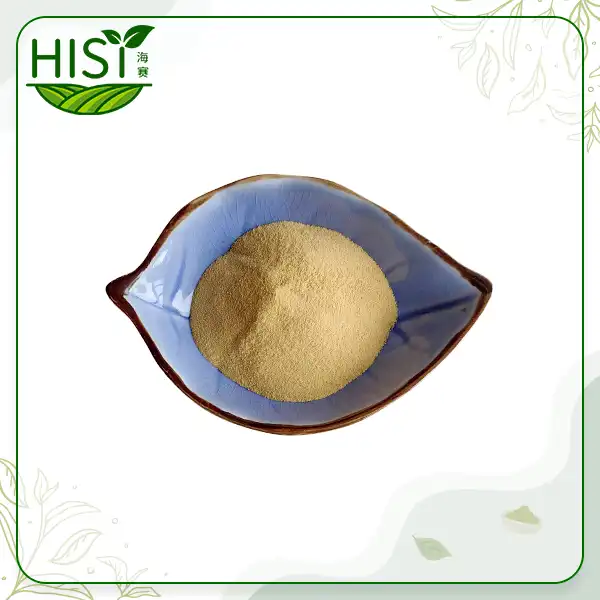
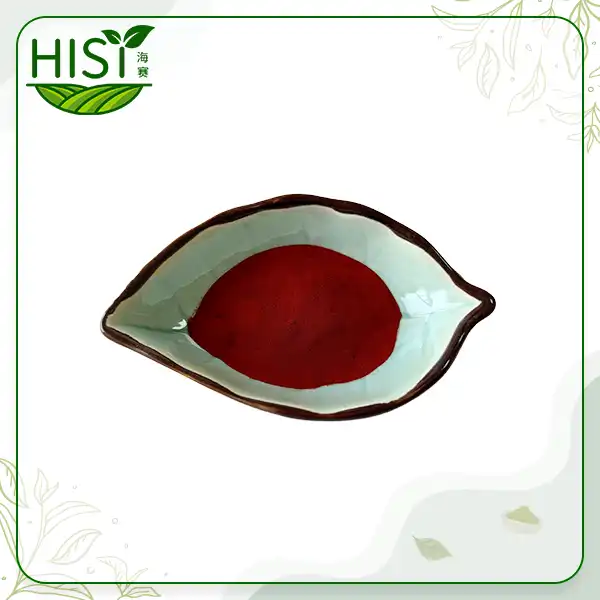
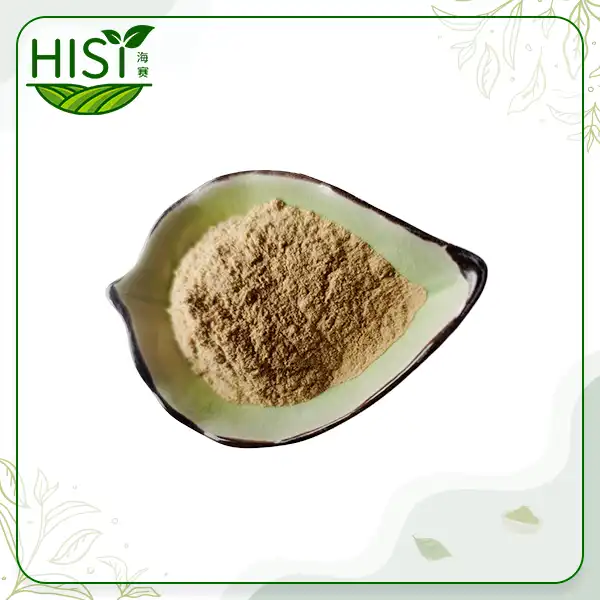
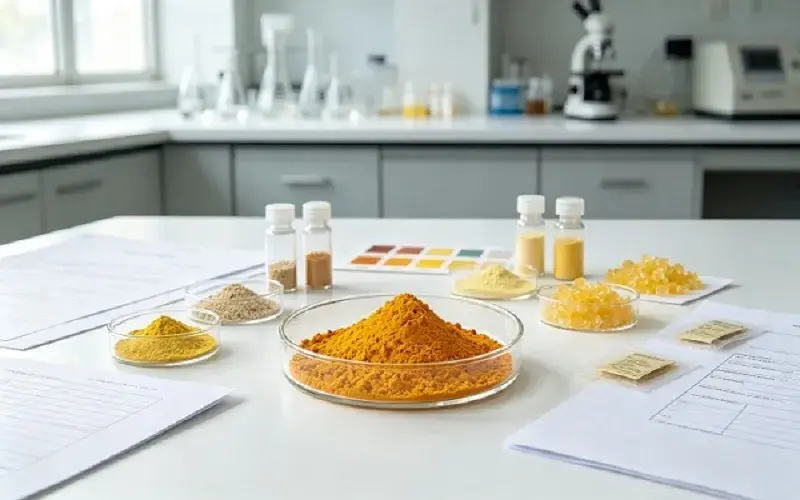
Choosing the right riboflavin powder for manufacturing starts with understanding what separates a reliable ingredient from one that will create problems down the line. Riboflavin powder (Vitamin B2, CAS No. 83-88-5) is a yellow to orange-yellow crystalline powder used across nutritional supplements, functional foods, and cosmetic formulations. When sourcing this ingredient, buyers should evaluate purity specifications (98% or 80%), particle size (typically 80 mesh), certifications, color consistency, and supplier reliability. Getting these factors right directly affects your finished product quality and regulatory compliance.
Understanding Riboflavin Powder and Its Manufacturing Applications
What Riboflavin Powder Actually Does in Manufacturing
Riboflavin powder is used to make the coenzymes FAD and FMN, which are needed to make energy in cells. Along with vitamins that don't always work, foods that don't have enough nutrients, and the need for a stable natural colorant in pharmaceutical coatings are all addressed. The formula for it is C17H20N4O6, and its molecular weight is 376.36 g/mol. It melts at about 280°C. When it gets hot during molding or baking, this makes it very stable.
Why Powder Form Outperforms Capsules and Tablets for Production
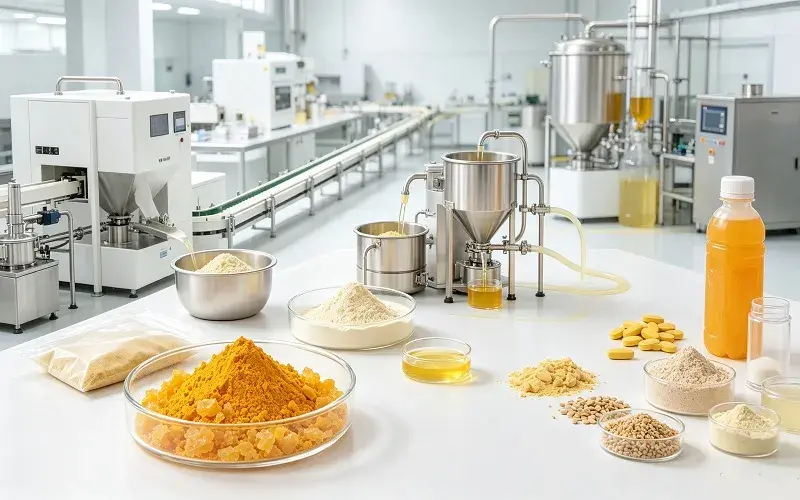
In powder form, the person making it has full control over how much to use and how even the mix is. Compared to already-made pills or tablets, riboflavin powder is much more adaptable. There are dry ingredients, premixes, and liquid methods that can be mixed with it. Because of this, it is the best raw material for supplement companies, food fortification plants, and contract manufacturers who need to make a lot of the same thing.
Key Industrial Applications
Riboflavin powder, which is Vitamin B2, is used in a lot of different fields. For the most part, it works well in the following types of default settings:
- Nutritional supplements: Supplements for your health, like multivitamin pills, B-complex tablets, and sports nutrition drinks, can help you get the right amount of Vitamin B2.
- Functional food and beverage fortification: It is mixed into cereals, energy drinks, protein shake mixes, and meal replacement powders to make them healthy enough to eat.
- Cosmetic and personal care products: Cosmetics and personal care products use it in small amounts in skin serums and antioxidant mixes that are put on the skin.
These uses include production settings for both food-grade and pharmaceutical-grade goods. This shows how important it is to be very specific about where you get your materials.
Essential Quality Criteria for High-Grade Riboflavin Powder
Purity Specifications and What They Mean
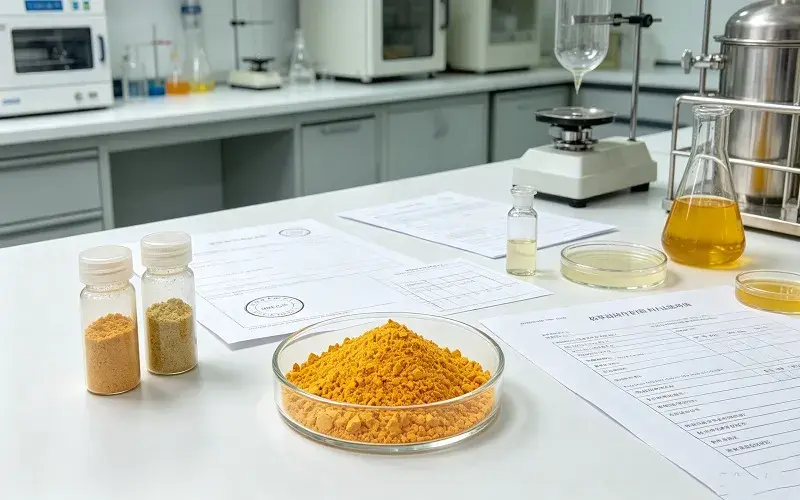
The two most common standards in the business world for vitamin B2 powder are riboflavin contents of 98% and 80%. Drugs and high-potency vitamins that need to be very accurate about what they say on the label use the 98% grade. Mixed at the 80% level, it is often used to add nutrients to food and give animals energy. International drug standards like USP, EP, or FCC say that the higher-purity grade needs to have a test range of 98.0% to 102.0% when it is dry.
Certifications That Actually Matter
If you want to sell to other businesses, you need to get ISO, HALAL, and KOSHER licenses. These groups decide who can buy your products. The process is always the same from one production run to the next if it has ISO approval. With certifications like HALAL and KOSHER, you can sell to stores that mostly sell Muslim goods and Jewish food lines. When it comes to the US market, FDA approval and HACCP compliance are basic rules that should be followed. When people buy things for the EU, they should also make sure that the goods follow EC No. 1333/2008 on food chemicals.
Natural vs. Synthetic Riboflavin: Labeling Implications
Riboflavin powder can be produced chemically or by using Bacillus subtilis or Ashbya gossypii for microbial fermentation. In terms of chemistry, they are the same and meet the same HPLC requirements for clarity. Fermented Vitamin B2 can be called "natural" in many places, though, which means it costs more. If you want to buy clean-label or organic goods, check the Certificate of Analysis (COA) and make sure it says where the goods were made. If it doesn't, ask the seller for proof.
Key Procurement Considerations for B2B Buyers
How to Vet a Riboflavin Powder Supplier
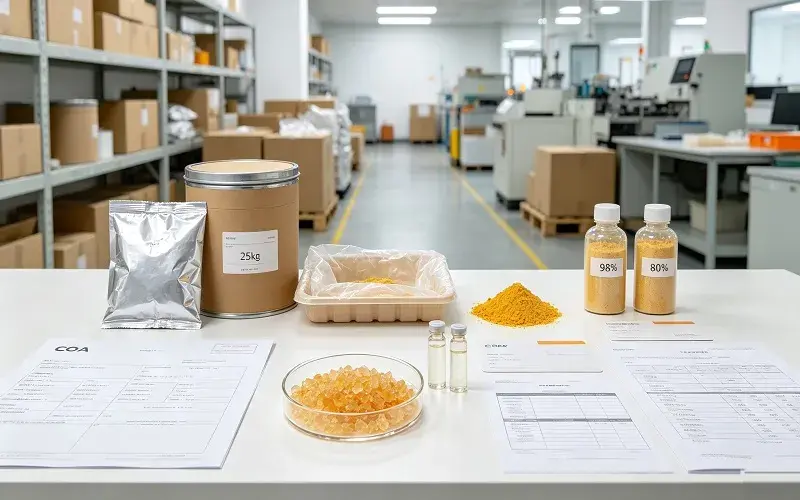
To judge a supplier, you should look at more than just price quotes. Make sure you have all the information you need before you place your order. This includes the COA, MSDS, TDS, pesticide residue test results, and microbiological analysis. If you buy riboflavin powder from a reputable business, they will give you test results that are unique to your batch instead of general spec sheets. Do not buy from someone who doesn't have valid, up-to-date certifications. Old copies that were scanned years ago are not acceptable. It is very important to get recommendations from current customers in the application area you want to focus on.
MOQ, Pricing, and Logistics Planning
The cost of buying something is directly related to the type of package you choose. As standard, you can get 1 kg foil bags for study and testing, or up to 25 kg drums (with two plastic bags inside the paper drums) for mass production. Fast delivery within 4–8 days cuts down on the need for extra stock for buyers in the US. Ingredients that are dried out and come in powder form, like riboflavin powder, are also cheaper to ship than liquid forms. This is very helpful for sending things from one country to another over long distances.
Cost-Benefit Framework for Bulk Orders
You shouldn't just look at the unit price if you have to choose between riboflavin contents of 98% and 80%. You should also think about the goal of the recipe and the standards for the label. The 98% standard gives greater control over nutrients, fewer formulas that need to be changed, and a lower chance that claims on the label will not be true when the end product is tested. To find out how much it costs to land, you need to add up the cost of certification fees, freight, customs taxes, and any work that needs to be redone if a batch that isn't up to par makes it to the production line.
Comparing Riboflavin Powder Solutions for Manufacturing Needs
Riboflavin Powder vs. B-Complex Blends
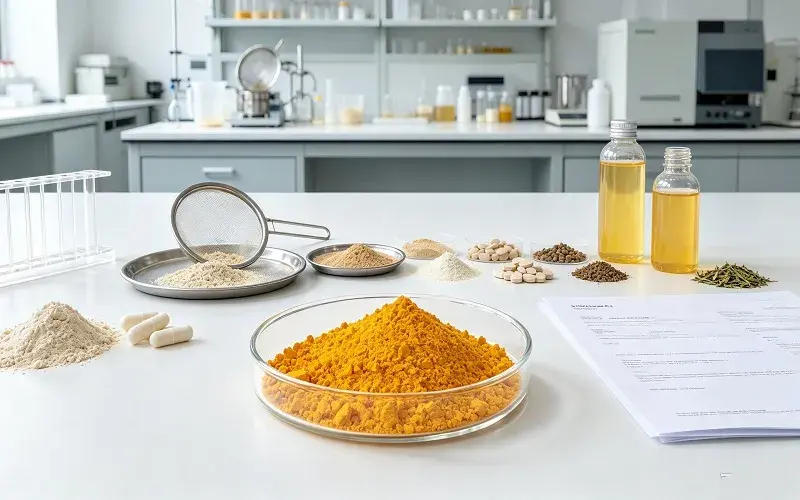
Researchers can get a better handle on riboflavin powder that only has one ingredient than on Vitamin B complex goods that are already mixed. If your recipe calls for a certain amount of B2, using a separate ingredient takes away the chance that other B vitamins will change how it works. This is very important for pharmaceutical coatings because the color strength needs to stay the same from batch to batch because riboflavin is naturally yellow-orange.
Supplement Production vs. Food Fortification Requirements
For vitamin pills and tablets, the particles need to be at least 100 mesh so they can flow and be pressed properly. Riboflavin powder that is standard and has an 80 mesh size works well in powder blends, beverage premixes, and food fortification matrices. Buyers should make sure that the supplier's particle size choices meet their process needs before they start the test process.
Organic and Non-GMO Sourcing Trends
Buying teams are asking more detailed questions about where ingredients come from because people want clean-label products. For fermentation-derived riboflavin powder to be non-GMO, it must be made from the right types, and some sellers can offer amounts that have been proven to be organic. It takes longer to get these options, and there are smaller supply windows, so make sure that your buying plans account for that.
Best Practices and Recommendations for Procurement and Usage
Quality Checks Upon Receipt
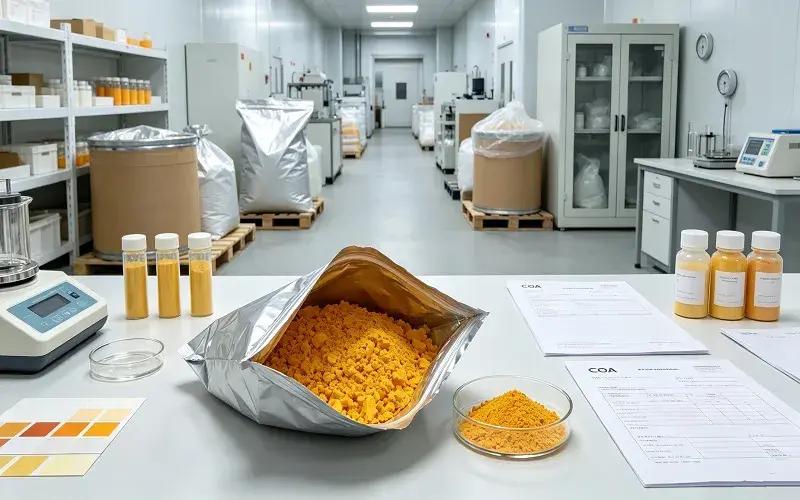
When the riboflavin powder shipment gets there, the quality assurance team should look at the crystalline appearance, which is usually yellow to orange-yellow, check to see if the sample matches the lot-specific COA, and measure the moisture content. An interesting thing about riboflavin is that it can react to light. The main way it loses its effectiveness is through photolysis, so check the package for UV protection when it comes in.
Storage and Handling
Riboflavin powder should be kept out of direct sunlight and water in containers that can't be opened. To keep things safe for a short time, foil bags are a good choice. They keep UV light and moisture out. For big drums that hold 25 kg, make sure the storage places stay dry, and the temperature stays the same. Things will stay strong and retain color for a long time if you treat them right.
Procurement Pitfalls to Avoid
A number of mistakes made when buying materials keep holding up production and lowering the quality of the finished goods. This is what most people do wrong, and this is how to fix it:
- Skipping sample evaluation: You should always ask for and try a free sample before you buy a lot of something. Your recipe goals should be met by how it looks, how well it spreads, and how good it tastes.
- Ignoring batch-to-batch consistency: Do not worry about how consistent one batch is with another. Instead, request color and test data from at least three different production lots, not just the batch that is being used now.
- Overlooking documentation completeness: When officials check your products after launch, you could be in trouble if you don't have pesticide residue reports or licenses that have passed.
If you do these three things before you place an order, there is a much lower chance that production will be delayed or the quality will be bad later on.
Conclusion
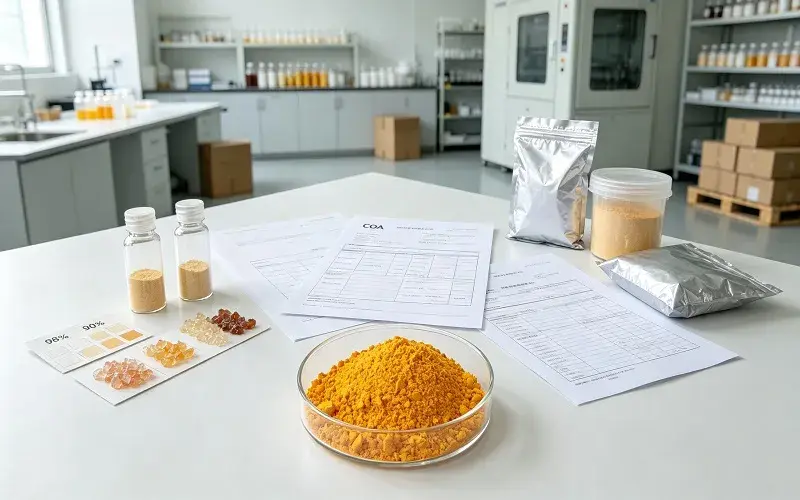
When looking for good riboflavin powder, you should pay attention to how pure it needs to be, how open the seller is, and how the powder is kept. People who carefully think about these things before buying will always get a better product, have fewer problems with compliance, and be able to predict the results of production more accurately. It doesn't matter if you need 98% pharmaceutical-grade Vitamin B2 or 80% food fortification material. The right source should give full paperwork, uniform batches, and quick technical help. Following the tips in this article will help you buy things that you will be happy with.
FAQ
What is the difference between 98% and 80% riboflavin powder?
The 98% standard has more active Vitamin B2 and is best for medical and precision supplement uses where it's important that the label is correct. It is common to use the 80% grade to add nutrients to food and animal feed when a cheap method is needed. These two kinds should both be safe enough to be used in food.
How can I verify the quality of a riboflavin powder sample?
Ask for a COA that has the HPLC test results, the bacterial counts, the amount of wetness, and the heavy metal limits. Check the COA info against what USP or FCC says is needed. See if you can spot the unique sparkling look that can be yellow or orange-yellow. For big business jobs, it's best to have a lab from outside the company check the work.
Is riboflavin powder safe for use in food manufacturing?
Yes, the FDA says that riboflavin (Vitamin B2) is usually accepted as safe (GRAS), and the EU lets it be used in food. The fact that food-grade riboflavin powder is approved by ISO, HALAL, and KOSHER means that it meets international safety standards for use in cooking.
Why does riboflavin powder degrade under light exposure?
This sentence says that riboflavin is very sensitive to light. Light breaks down the active ingredient and makes it less effective. This process is called photolysis. This can be avoided by using packaging that blocks UV light and keeping things in a controlled setting while they are stored.
Partner with Hisy for Certified Riboflavin Powder Supply
Since 2008, Hisy has been a trustworthy company that makes and sells riboflavin powder. Their track record goes back 18 years, and they are ISO, HALAL, and KOSHER certified. Each year, they can make more than 200 metric tons of powder. Vitamin B2, which is 98% and 80% safe for food, comes in a variety of sizes, from 1 kg foil bags to 25 kg drums. You can get your order in 4–8 days, and we give you free samples to see how good they are. Send us an email at sales@hisybio.com right away to get your sample.
References
1. United States Pharmacopeia (USP 43–NF 38) — Riboflavin Monograph, United States Pharmacopeial Convention, 2020.
2. Food Chemicals Codex (FCC 12) — Riboflavin Specifications, United States Pharmacopeial Convention, 2021.
3. European Pharmacopoeia (Ph. Eur. 10th Edition) — Riboflavinum Monograph, Council of Europe, 2020.
4. Dietary Reference Intakes for Thiamin, Riboflavin, Niacin, Vitamin B6, Folate, Vitamin B12, Pantothenic Acid, Biotin, and Choline — Institute of Medicine, National Academies Press, 1998.
5. Food Fortification: A Global Vision — FAO/WHO Expert Consultation Report, Food and Agriculture Organization of the United Nations, 2002.
6. Stability of Vitamins in Food Processing and Storage — Journal of Food Science and Technology, Springer, 2017.