



Natural Carotene Powder Applications in Nutraceuticals
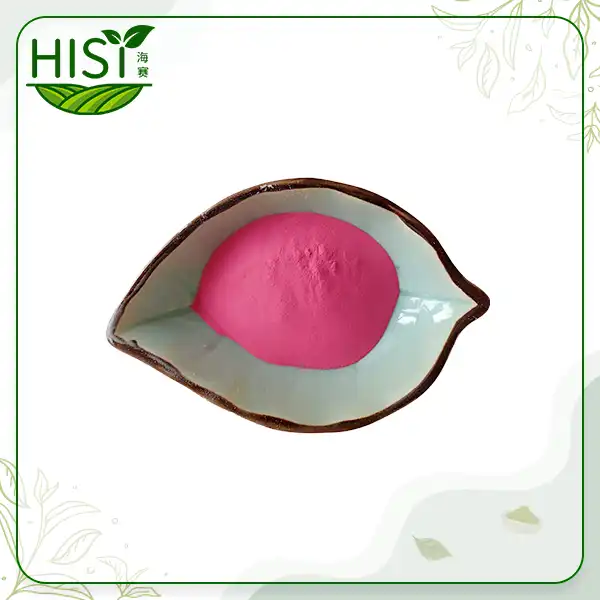
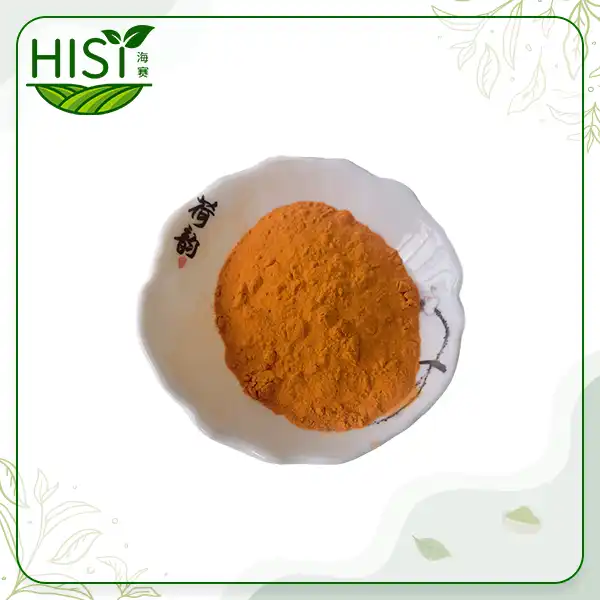
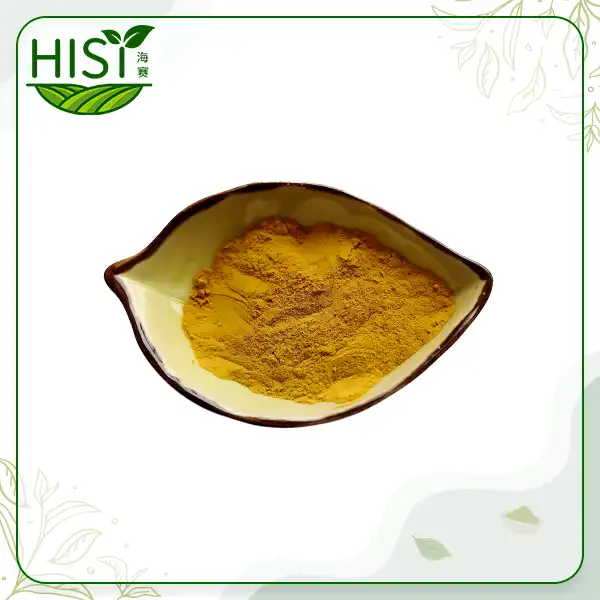
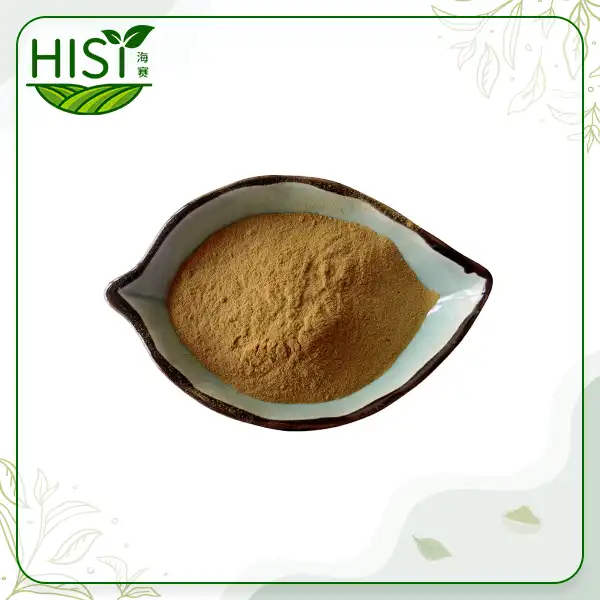
Natural Carotene Powder Applications in Nutraceuticals encompass a versatile range of uses in dietary supplements, functional foods, and wellness products. Derived from botanical sources rather than synthetic processes, this ingredient delivers provitamin A activity alongside potent antioxidant protection. Its superior bioavailability and clean-label appeal make it an essential component for nutraceutical brands seeking to develop efficacious formulations that resonate with health-conscious consumers while maintaining regulatory compliance and quality consistency.
Comparison and Decision-Making: Selecting the Best Natural Carotene Powder for Nutraceutical Applications
Evaluating Natural Versus Synthetic Carotene Sources
When choosing between natural and synthetic carotene, many things need to be taken into account. Recent surveys in the food industry show that 78% of U.S. consumers prefer products with recognisable, natural ingredients. This is because natural sources are trustworthy to consumers and back up clean-label marketing claims. Studies on bioavailability show that Natural Carotene Powder, which has a mixed-isomer profile, turns into vitamin A more quickly and effectively than manufactured forms that only have one isomer. Synthetic options are cheaper and have consistent strength, so they can be used in formulas that need to stay within a budget. But there are different regulatory classifications for natural and synthetic carotene. Natural carotene is classified as E160a(ii), while synthetic versions are classified as E160a(i). This is becoming a bigger deal in foreign markets where natural labels affect product acceptance and premium pricing.
Certification Standards That Drive Quality Assurance
Quality certificates are very important when it comes to getting nutritional ingredients. By registering with the FDA, factories can be sure they meet U.S. safety and cleanliness guidelines. HACCP certification shows that systematic hazard analysis and critical control point management are used throughout production. This lowers the chances of contamination that could damage the integrity of the batch.ISO certifications, especially ISO 22000 for managing food safety, offer quality standards that are recognised all over the world. When buying from manufacturers who can ship to more than one market, these credentials become even more valuable. Testing by a third party for heavy metals, microbial contaminants, and pesticide residues adds another level of proof that protects the brand's reputation and the safety of the consumer. Organic products with USDA Organic or an equivalent certification cost more, but they can reach niche markets willing to pay more for products that are sure to come from organic sources. Non-GMO Project Verification handles another customer worry, which is especially important given the debates about genetic modification surrounding some ways of making carotene.
Supplier Selection Criteria for Nutraceutical Manufacturers
To find reliable suppliers, you need to look at their production capacity, technical support, and the stability of their supply chains. Manufacturers with dedicated production lines—ideally four or more—show that they are committed to specialising in certain ingredients and have the capacity to meet growing demand without lowering the quality of their products. With an annual production capacity of more than 200 metric tonnes, the brand can grow without having to switch suppliers very often. Technical information like Certificates of Analysis, allergen statements, and data on how stable something is in different storage situations helps people make smart choices about formulation. Suppliers that offer cold-water-dispersible formats open up more uses, especially for drinks and liquid supplements, where solubility problems have traditionally limited the use of carotenoids. When making nutraceuticals, production plans depend on ingredients arriving on time, so delivery dependability is very important. Suppliers who promise delivery times of 4–8 days and have a history of keeping their promises lower inventory holding costs and reduce the risk of running out of stock, which can throw off production plans.
Practical Applications of Natural Carotene Powder in Nutraceuticals
Format Options for Different Product Types
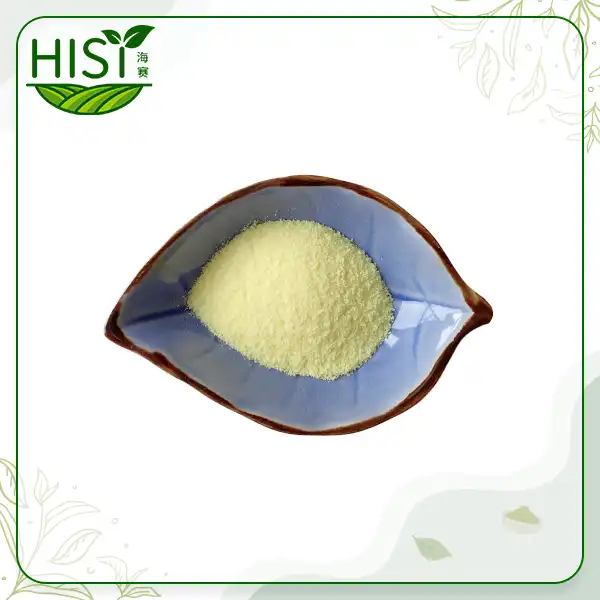
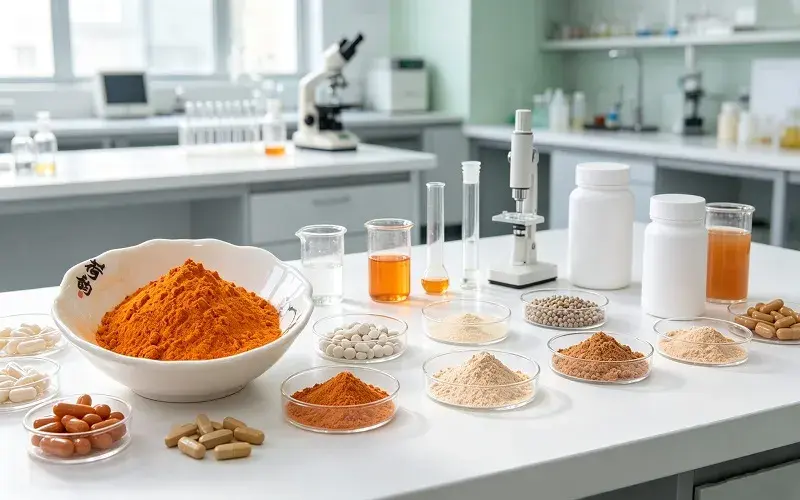
Natural Carotene Powder can be delivered in a number of different ways, each of which is best for a certain type of product. Standard powder forms can be added directly to capsule fillings, tablet matrices, and powder blends, where they add colour and health benefits. The orange-yellow colour makes clear pills look better and lets customers know that they are effective. Micro-encapsulated forms are more stable against photo-oxidation and the high temperatures that are used in processing. This technology keeps delicate carotene molecules safe by using protection frameworks that release their contents when the food is digested. This keeps the nutrients bioavailable and increases the shelf life. Encapsulated forms can withstand temperatures of up to 200°C, which means they can be used in baked goods and extruded products that go through thermal processing. Cold-water dispersible formulations change the way carotenoids are used in drinks, where they used to be hard to dissolve. These special mixtures spread out evenly in acidic environments as low as pH 3.0. This means that functional waters, sports drinks, and carbonated drinks can be made without the sedimentation or ringing that makes them less appealing to customers.
Successful Formulation Case Studies
Skin health products are a good example of how natural carotene can be used successfully. A well-known supplement company in the U.S. made a beauty complex with 15 mg of beta-carotene, vitamin C, biotin, and hyaluronic acid. Clinical tests after 12 weeks of daily supplementation showed brighter skin and lower levels of oxidative stress markers. People who were looking for natural beauty solutions liked that the products were made from natural ingredients. Carotene is being used more and more as a main ingredient in immune-supporting products. During times of good health, a multi-nutrient immune blend with 10 mg of beta-carotene, zinc, selenium, and vitamin D did very well on the market. The pro-vitamin A activity worked with other immune-boosting nutrients, and the antioxidant qualities added to the body's defences. Carotene, lutein, and zeaxanthin are all found in vision health supplements for older people because they provide complete eye nutrition. A mixture made just for seniors with 20 mg of carotene helped maintain eye health and improve night vision, which were both issues that people over 55 often worry about because of getting older and losing their sight.
Integration Strategies for OEM Manufacturers
When suppliers offer formulation support and customisation, they help OEM partnerships. Flexible minimum order quantities allow for test batches and strategies for entering a new market without committing too much inventory. Packaging choices, from 1 kg foil bags for small-scale testing to 20 kg drums for large-scale production, allow for growth as product amounts rise. Samples make it possible to check the quality before making full commitments. Formulators can test free samples to see how well they dissolve, what colour they add, and how stable they are in certain matrices. This lowers the risks of formulation and speeds up the time it takes to get new products on the market.
Procurement Insights: Buying and Sourcing Natural Carotene Powder in Bulk
Identifying Verified Wholesale Sources
Before buying in bulk, suppliers must be checked to make sure that the goods are made legally and of consistently high quality. When you deal directly with a manufacturer, you avoid the markups that come from middlemen and get access to technical knowledge and customisation options. Manufacturers who have been in business for 18 years or more have a lot of industry knowledge and have refined their production methods that newer companies don't have. The specs of a production center give you an idea of how big it is and how quality is controlled. Facilities that are 150 square meters or more and have their own extraction and processing equipment show that these are professional operations that go beyond simple contract manufacturing. The ability to produce on more than one line suggests specialisation and efficiency, which lead to competitive prices without sacrificing quality. Logistics prices and wait times are affected by where things are located. China-based makers can offer reasonable prices because their raw materials are close by and their extraction methods are well-known. However, longer shipping times mean that you need to plan your inventory better. Suppliers who are registered with the FDA and have experience exporting can help you with the foreign paperwork that is needed. This makes clearing customs easier and cuts down on shipping delays.
Understanding Price Drivers and Negotiation Approaches
Natural Carotene Powder prices are set by a number of different factors. The prices of raw materials change with the markets for farm goods, especially when they come from carrot extracts or other plant materials. Because prices and availability change with the seasons, long-term supply deals help you plan your spending. Specifications for concentration have a direct effect on prices. Standard amounts of about 1.5% total carotenoids are a good mix between cost-effectiveness and usefulness for most nutritional uses. Before finalising relationships with suppliers, these things should be thought about:
- Certification verification: Ask for up-to-date FDA, HACCP, and ISO certificates along with proof that they are still valid to make sure that compliance stays the same across all supply relationships.
- Quality consistency protocols: Set batch-to-batch standards with acceptable ranges of variation, and back them up with Certificates of Analysis for every shipment to keep the consistency of the formulation.
- Supply chain transparency: Write down where the raw materials come from and how they are extracted to meet traceability standards and back up claims of natural sourcing for marketing reasons.
- Technical support availability: Make sure you can get formulation advice, stable data, and help with application problems so that ingredients work best in certain product patterns.
- Contingency planning: Find backup suppliers or extra inventory to make sure you don't lose supply when production problems, changes to regulations, or logistics problems happen that make it hard to get ingredients from other countries.
Addressing Challenges and Risks with Natural Carotene Powder in Nutraceutical Use
Safety Considerations and Regulatory Compliance
When used according to the rules, natural beta-carotene has great safety ratings. Beta-carotene only changes into retinol when the body needs it to. This is different from preformed vitamin A, which builds up and can be harmful in large amounts. This self-regulating system gets rid of the risk of hypervitaminosis A, so taking carotene supplements is safe for a wide range of people, including pregnant women, as long as they stick to the suggested doses. Labelling that is correct, good production practices, and reporting of bad events are all required by U.S. nutraceutical laws that are overseen by the FDA. Supplement makers are in charge of making sure that the ingredients are safe by checking with suppliers and testing the quality of the ingredients.
Sourcing Pitfalls and Quality Verification Methods
Ingredient adulteration, inconsistent potency, and mislabeling are all common problems with sourcing that hurt the effectiveness of the product and the brand's reputation. Some sellers use manufactured carotene instead of natural ones while still labelling the products as natural. They do this by taking advantage of testing flaws that make it hard to tell where the ingredients come from. For quality verification, testing methods must go beyond just confirming the name. High-performance liquid chromatography (HPLC) measures the concentration and profiles of carotenoids, and isotope ratio mass spectrometry can tell the difference between natural and synthetic sources.
Emerging Trends Shaping Future Applications
The path of innovation leads to better delivery systems that make medicines more bioavailable and easier for people to use. Liposomal encapsulation technologies help the body absorb nutrients better by mimicking the way fat-soluble nutrients are normally delivered. This could mean that smaller amounts are needed to have the same effect. Personalised nutrition trends open the door for targeted Natural Carotene Powder formulations that can help people with certain genetic variations that affect how their bodies use vitamin A. Sustainability factors are also becoming more important in buying choices as brands try to cater to environmentally aware customers.
Conclusion
In conclusion, Natural Carotene Powder proves to be an important part of many nutraceutical products because it provides the provitamin A activity, antioxidant protection, and clean label appeal that modern customers want. It can be used in a variety of supplement forms, from capsules to drinks, and its safety profile and conversion mechanisms get rid of the worries about toxicity that come with preformed vitamin A. Choosing a provider based on certifications, production capacity, and quality uniformity that protects the brand's image and makes sure the formulation works is key to successful procurement. Carotene's role in health and wellness goods is growing as more people want ingredients that are natural and easy to see.
FAQ
How does natural carotene differ from synthetic beta-carotene?
The ratios of alpha-carotene and beta-carotene in natural carotene are similar to those found in plants. This makes natural carotene more bioavailable than manufactured forms that only contain one isomer. Natural sources can make clean-label claims and are classified as E160a(ii), while synthetic versions are classified as E160a(i). Natural sourcing is strongly favoured by consumers, which makes this difference commercially important for positioning premium products.
What storage conditions maintain carotene potency?
To keep from breaking down, Natural Carotene Powder needs to be kept away from light, heat, and oxygen. Keep in sealed containers below 15°C and in dark places, exposing them to air as little as possible while handling. When stored properly, the material stays active for 24 months after it is made. Micro-encapsulated formats are more stable than standard powder forms because they can handle room temperature and light better.
Can natural carotene be safely used in pet supplements?
Because of conversion mechanisms that keep preformed vitamin A from being toxic, pro-vitamin A forms like beta-carotene are good for feeding pets. Carotene's antioxidant qualities and vitamin A action help dogs and cats see better, keep their coats healthy, and fight off illness. When formulating, it's important to think about how well different species convert nutrients and what they need.
Partner with Hisy for Premium Natural Carotene Powder Supply
Shaanxi Hisy Biotechnology Co., Ltd. has 18 years of experience extracting and supplying natural carotene. They provide pharmaceutical-grade ingredients that meet the strict requirements of nutritional makers all over the United States. Our Natural Carotene Powder has a confirmed ≥1.5% total carotenoid content, with exact specs for beta-carotene (0.9%) and alpha-carotene (0.6%). It is backed by FDA registration, HACCP certifications, and ISO certifications, which make sure that every batch meets international quality standards. We keep the supply chain stable so that disruptions don't affect your manufacturing plans.
References
1. Grune, T., Lietz, G., Palou, A., Ross, A. C., Stahl, W., Tang, G., ... & Biesalski, H. K. (2010). Beta-carotene is an important vitamin A source for humans. Journal of Nutrition, 140(12), 2268S-2285S.
2. Mayne, S. T. (1996). Beta-carotene, carotenoids, and disease prevention in humans. FASEB Journal, 10(7), 690-701.
3. Bendich, A., & Olson, J. A. (1989). Biological actions of carotenoids. FASEB Journal, 3(8), 1927-1932.
4. Institute of Medicine (US) Panel on Dietary Antioxidants and Related Compounds. (2000). Dietary Reference Intakes for Vitamin C, Vitamin E, Selenium, and Carotenoids. National Academies Press.
5. Britton, G., Liaaen-Jensen, S., & Pfander, H. (2004). Carotenoids Handbook. Birkhäuser Basel.
6. Rodriguez-Amaya, D. B., & Kimura, M. (2004). HarvestPlus Handbook for Carotenoid Analysis. International Food Policy Research Institute.