



PEG-30 Dipolyhydroxystearate OEM: A Buyer’s Guide
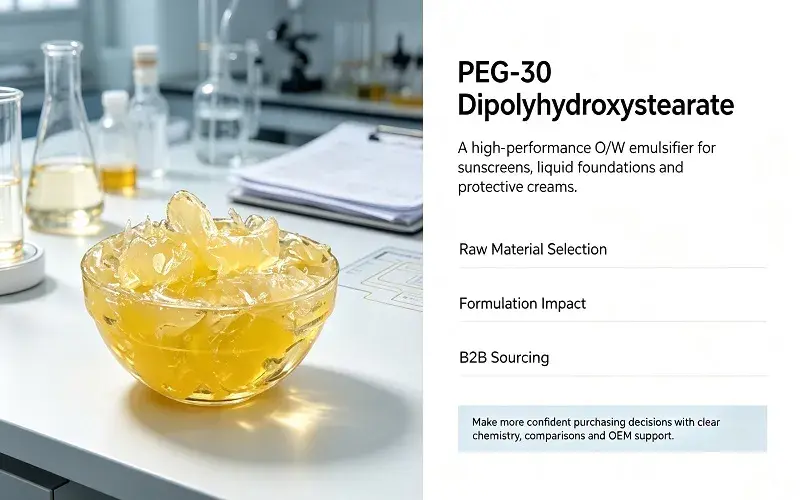
If you source cosmetic emulsifiers for a living, you already know how much a single ingredient choice can affect your entire product line. PEG-30 Dipolyhydroxystearate (CAS 827596-80-5) is a high-performance W/O emulsifier that has become a go-to option for formulators building sunscreens, liquid foundations, and barrier creams. This guide walks through its chemistry, how it compares to alternatives, what bulk procurement actually looks like, and how OEM partnerships work — so you can make a confident sourcing decision.
Understanding PEG-30 Dipolyhydroxystearate: Key Properties and Functions
Chemical Identity and INCI Designation
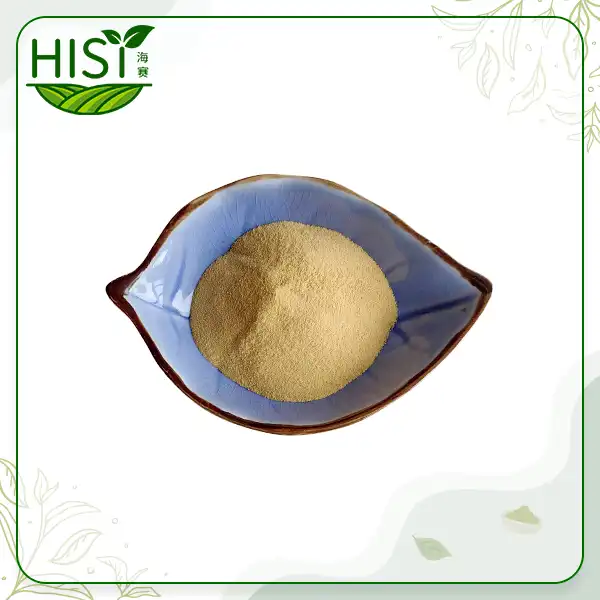
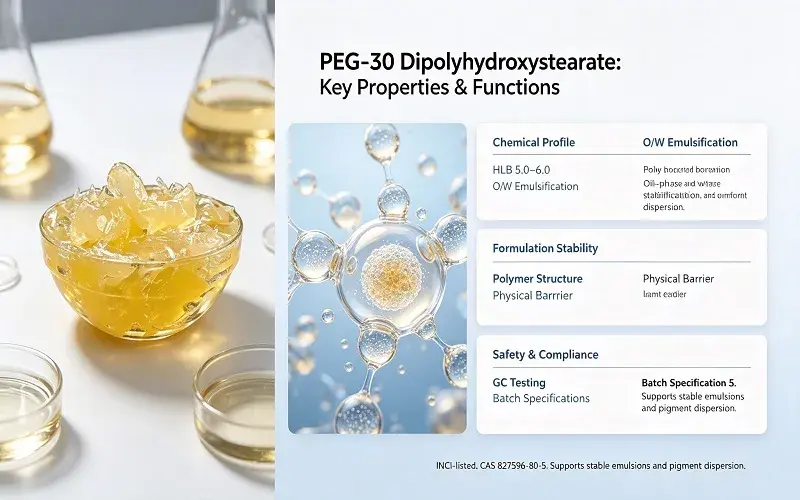
The polymeric lubricant Peg-30 dipolyhydroxystearate is not charged with ions. It is a block copolymer (scientific term) meaning it is formed of 2 bands of polyhydroxystearic acid, joined by a unit of polyethylene glycol in the center. It is printed straight on the labels of completed items, including its INCI designation. Its CAS number (827596-80-5) is used to check the source. The HLB value is in the range of 5.0 to 6.0 which is definitely in the range for W/O emulsification. It is a dark cream at room temperature and when manufactured to pharmaceutical-grade standards is ≥99% pure.
Formulation Compatibility and Stability
The steric stability process of Peg-30 dipolyhydroxystearate is what makes it different from other monomeric emulsifiers. Instead of using electrostatic resistance, the polymeric backbone builds a physical wall around the water drops, which stops them from sticking together even when there are high levels of electrolyte or big changes in temperature. This means that the mixture will stay stable at high temperatures and you will be able to make W/O emulsions with water-phase ratios of up to 80%. This ingredient is very useful in color makeup because it spreads out solid pigments, like toner, in the oil phase.
Safety Profile and Regulatory Standing
Polyethylene glycol-based emulsifiers were looked at by the Cosmetic Ingredient Review (CIR) Expert Panel and found to be safe at amounts allowed for cosmetic use. For Peg-30 dipolyhydroxystearate, the levels of certain monomers, like 1,4-Dioxane and Ethylene Oxide, must stay below 10 ppm in order to follow EU Cosmetics Regulation (EC 1223/2009) and FDA rules. Suppliers should show breath GC test results that prove compliance. A batch-to-batch test must show an acid value of ≤12.0 mg KOH/g and a saponification value of 125–145 mg KOH/g.
Comparative Analysis: Selecting the Right Emulsifier for Your Needs
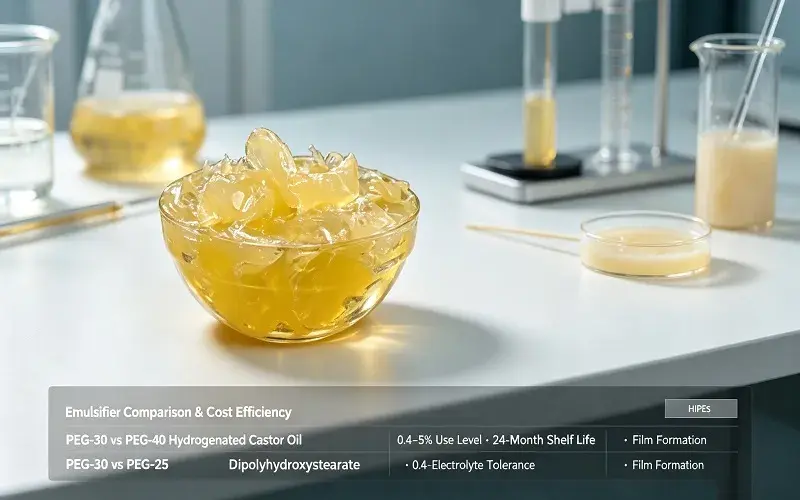
It's not always easy to choose the right emulsifier. The table below shows how three popular choices are different, but the right one to choose relies on your formulation goals. Hydrogenated castor oil is a reliable oil-in-water solubilizer that is often found in perfume bases and light creams. There are times when it works well in oil systems with a lot of polarity, but not when there are a lot of water in the system. Peg-30 dipolyhydroxystearate can easily mix with low-polarity oils like isododecane and cyclopentasiloxane. This is why it is the most popular ingredient in mineral sunscreen and long-wear makeup, where film performance is important.
PEG-30 Dipolyhydroxystearate vs. PEG-40 Hydrogenated Castor Oil
The change in chemical weight between these two versions makes sense. In cold-process production, PEG-25 Dipolyhydroxystearate has a slightly lower viscosity and spreads out more quickly. With its longer PEG chain, Peg-30 dipolyhydroxystearate is better at handling electrolytes and keeping its shape, which is very important in formulas that use magnesium sulfate (0.5–1.0%) to control the structure. When it comes to high-internal-phase emulsions (HIPEs), the PEG-30 variant always does better.
PEG-30 Dipolyhydroxystearate vs. PEG-25 Dipolyhydroxystearate
PEG 30 Dipolyhydroxystearate works very well per kilogram when used at the suggested dose of 0.5 to 5%. It has a normal shelf life of 24 months when sealed and kept out of light and moisture. This is because its saturated fatty acid chains don't oxidize. Because of this stability, there is less need for reformulation and waste over long production runs, which directly saves money for buying teams that are in charge of handling a lot of SKUs.
Cost-Efficiency and Shelf Life Considerations
At a recommended dosage of 0.5–5%, PEG-30 Dipolyhydroxystearate delivers high efficiency per kilogram used. Its saturated fatty acid chains resist oxidation, giving a standard shelf life of 24 months when stored sealed, away from light and moisture. This stability reduces reformulation frequency and waste across long production runs — a direct cost advantage for procurement teams managing large SKU portfolios.
Procurement Essentials: How to Buy PEG-30 Dipolyhydroxystearate in Bulk
Evaluating Supplier Credibility
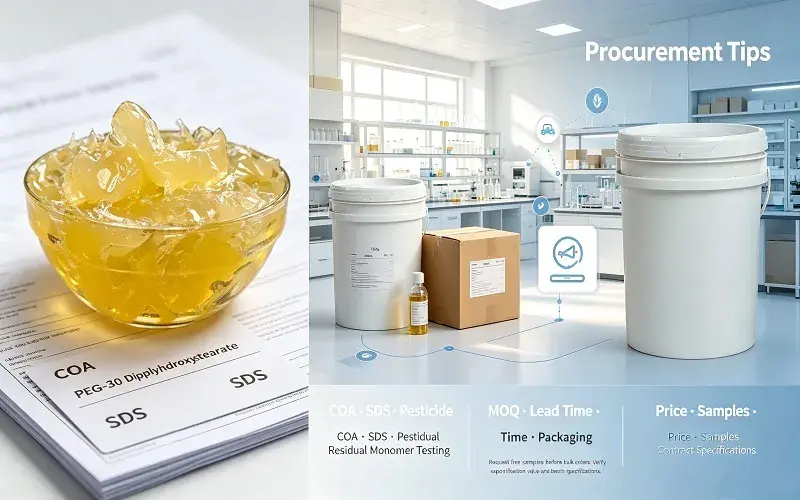
Before I decide to work with a new emulsifier provider, I look at three papers: the Certificate of Analysis (COA), the Safety Data Sheet (SDS/MSDS), and a pesticide/residual monomer test result. Some reputable companies, like Croda (whose P135 emulsifier is a straight standard product for Peg-30 dipolyhydroxystearate), Evonik, and Hisy, put these out there on their own. If you want to sell cosmetics in the US under DSHEA-adjacent supply chains, you have to get FDA registration, HACCP approval, and ISO compliance.
MOQ, Lead Times, and Packaging
Standard bulk packing is 25 kg per drum, which is made up of two plastic bags inside a paper bucket. For well-known suppliers with specific production lines, lead times are usually between 4 and 8 business days from the time an order is confirmed. For brands that are still testing their formulas, having a flexible MOQ that can range from small pilot runs to full business orders is important. It's also a good idea to make sure that the seller accepts online transactions (Alibaba, T/T, L/C) right away, since being able to choose how to pay speeds up the buying process.
Pricing and Negotiation
The price of Peg-30 dipolyhydroxystearate in bulk depends on the purity grade, the batch size, and whether you need custom particle characteristics. Before committing to bulk orders, I suggest asking for free samples. This is what all reputable manufacturers do, and it lets your lab check the dispersibility, acid value, and appearance against your own internal spec sheets. Always make sure that the range of saponification values (125–145 mg KOH/g) is written down in the purchase agreement.
OEM Collaboration: Customizing PEG-30 Dipolyhydroxystearate for Your Products
The OEM Process from Inquiry to Delivery
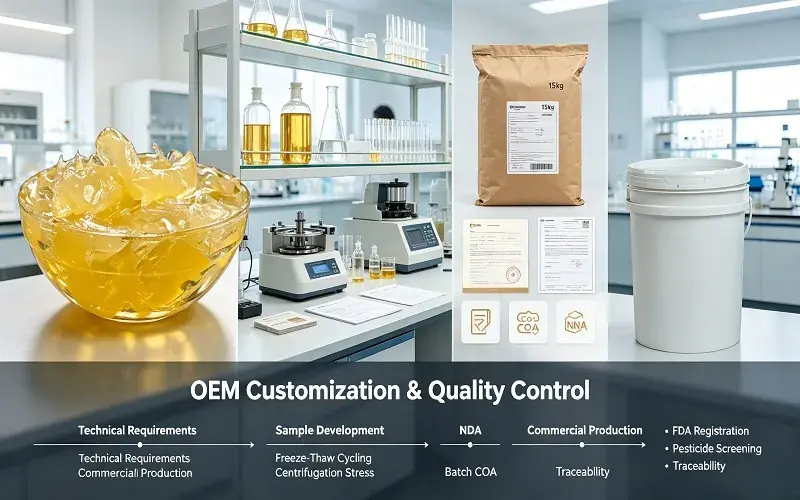
A well-organized OEM contract usually goes through four steps: submitting a technical brief, making and testing a model, signing an NDA, and starting commercial production. For Peg-30 dipolyhydroxystearate-based goods, this means that the R&D team at the maker looks at what you want to use the product for (for example, sunscreen, liquid foundation, or barrier cream) and suggests a starting recipe. Hisy, for example, pairs this substance with MY983/MY9120 for sunscreens and with MY985/MY986 for liquid foundations. This cuts down on the time it takes to make changes internally by a large amount.
Quality Control in OEM Production
Most of the time, batch consistency is the most difficult part of OEM supply chains. Each batch of Peg-30 dipolyhydroxystearate emulsions made by a reliable company goes through freeze-thaw cycling (−20°C to +45°C) and spinning stress tests (4,000 rpm). Every test result is written down in lot-specific COAs at ISO-certified facilities. For sellers in the US market, making sure that the provider is currently registered with the FDA and can provide screening data for 500 or more pesticides is an important compliance step.
Protecting Proprietary Formulas
It is standard practice to execute an NDA before sharing a formula. Before sending any secret blend ratios or processing settings, I always ask the seller to sign off on the NDA in writing. A trustworthy OEM partner won't think twice. Full traceability paperwork from the farm to the finished product helps your own quality assurance reports to customers in retail or pharmacy chains.
Sustainability and Future Trends in Emulsifier Selection
Biodegradability and Environmental Impact
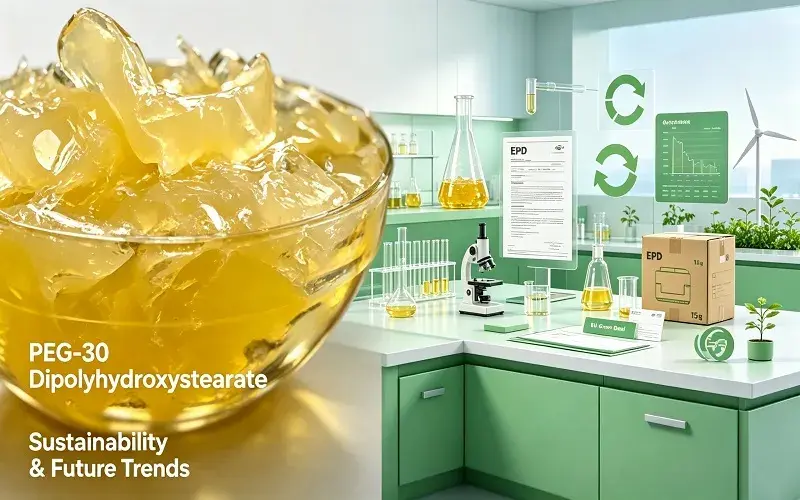
Because of the EU's Green Deal and the US's Clean Beauty movement, PEG-based emulsifiers are getting more and more attention. Based on what we know now, Peg-30 dipolyhydroxystearate goes through some aerobic biodegradation. Suppliers who are trying to get ISO 14001 environmental management certification show that they are dedicated to controlling the environment at the process level. As part of their due diligence, buyers who are looking for goods to ship in the EU should ask suppliers for Environmental Product Declarations (EPDs).
Regulatory Shifts Shaping Ingredient Selection
The EU Cosmetics Regulation keeps making it harder to get PEG compounds. US buyers who want to sell in both markets should keep an eye on the Scientific Committee on Consumer Safety (SCCS) opinion changes, since they have a direct effect on the amounts that are allowed. If you buy from FDA-registered and ISO-certified makers, your supply chain will be ready for when regulations get stricter, instead of having to rush to make changes after the fact.
CSR Integration in Procurement
More and more, procurement teams are using CSR scorecards to evaluate suppliers. When looking for Peg-30 dipolyhydroxystearate, this means making sure that suppliers use responsible sources for their raw materials, reduce the amount of waste they create by using recyclable drums and less inner packaging, and give you carbon data. For major US personal care brands, these requirements are now necessary in order to buy, not just nice to have.
Conclusion
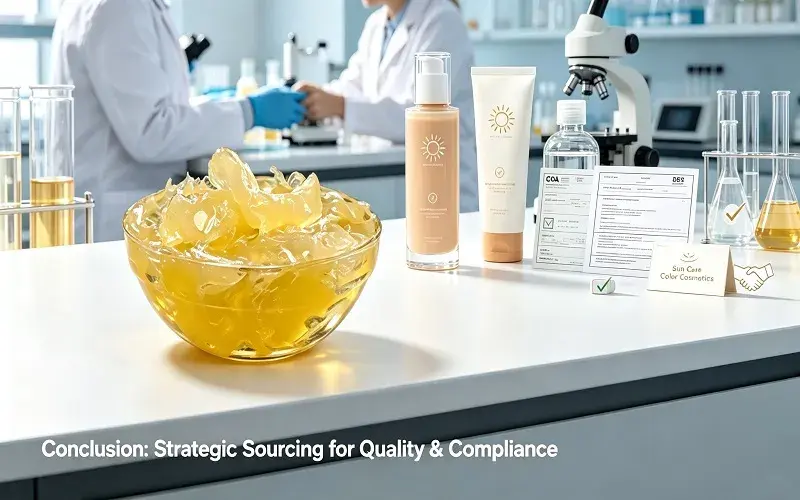
PEG-30 dipolyhydroxystearate is still one of the most technically advanced W/O emulsifiers that can be used to make cosmetic OEM products. It works well in sunscreens, makeup, and barrier creams because it can handle electrolytes, hold a lot of water, and spread pigments evenly. People who work in procurement should give more weight to suppliers who offer full documentation, flexible MOQs, and real R&D collaboration, not just shipping products. Before placing a large order, make sure to check the COA data, residual monomer testing, and certificates. This will protect both the quality of your formulation and your legal standing in the US market.
FAQ
Can PEG-30 Dipolyhydroxystearate be used in cold processing?
Yes. While this emulsifier is viscous, it can be dispersed in the oil phase at room temperature. Slight heating to 40–50°C is often preferred to reduce viscosity and get uniform distribution before combining phases.
Why do formulators add Magnesium Sulfate to W/O systems using this emulsifier?
PEG-30 Dipolyhydroxystearate provides steric stability, but adding 0.5–1.0% electrolytes like MgSO₄ increases interfacial tension and reduces internal water-droplet size — which improves emulsion texture and longevity.
Is it compatible with silicone oils?
It shows good compatibility with vegetable oils and synthetic esters. For high-silicone systems, a dedicated silicone emulsifier as a co-emulsifier is recommended alongside PEG-30 Dipolyhydroxystearate.
What is the standard shelf life?
When stored in sealed containers away from light and moisture, this emulsifier typically maintains quality for 24 months, supported by its saturated fatty acid backbone.
What documents should I request before purchasing?
Always request COA, SDS/MSDS, residual monomer test data (1,4-Dioxane and Ethylene Oxide levels), and acid value confirmation (≤12.0 mg KOH/g).
Source Your PEG-30 Dipolyhydroxystearate Supplier Through Hisy
Since 2008, Shaanxi Hisy Biotechnology has been a supplier of cosmetic-grade ingredients. They have FDA, HACCP, and ISO certifications for their four dedicated production lines, which can produce more than 200 MT of ingredients every year. Hisy is a well-known company that makes Peg-30 dipolyhydroxystearate. They ship orders within 4–8 days, give away free samples, and help with all aspects of R&D formulation, from lab testing to branded packing. To start a talk right away, send your technical brief or ask for a free sample to sales@hisybio.com or go to hisybio.com.
References
1. Cosmetic Ingredient Review (CIR) Expert Panel — Safety Assessment of PEG Compounds as Used in Cosmetics, International Journal of Toxicology, 2015.
2. European Commission Scientific Committee on Consumer Safety (SCCS) — Opinion on Polyethylene Glycols (PEGs) in Cosmetic Products, Official Journal of the European Union, 2021.
3. Tadros, T.F. — Emulsion Science and Technology, Wiley-VCH, 2009.
4. Lochhead, R.Y. — The Role of Polymers in Cosmetic Products, Cosmetics & Toiletries Magazine, 2017.
5. Rowe, R.C., Sheskey, P.J., Quinn, M.E. — Handbook of Pharmaceutical Excipients, 7th ed., Pharmaceutical Press, 2012.
6. Barel, A.O., Paye, M., Maibach, H.I. — Handbook of Cosmetic Science and Technology, 4th ed., CRC Press, 2014.