

_1752718207094.png)

How to detect curcumin content in turmeric extract?
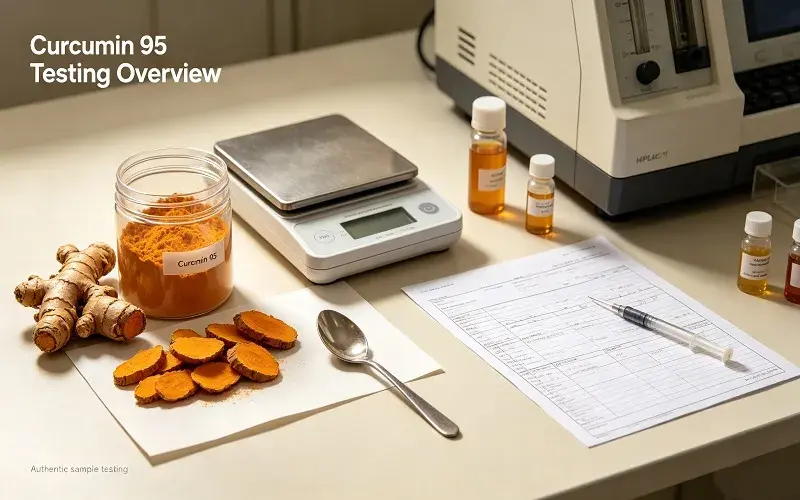
Detecting curcumin content in turmeric extract involves using High-Performance Liquid Chromatography (HPLC), the industry gold standard for quantifying total curcuminoids. When evaluating extracts labeled as curcumin 95%, HPLC provides precise measurement of curcumin, demethoxycurcumin, and bisdemethoxycurcumin—essential for verifying purity claims. This analytical method surpasses traditional color tests by delivering reproducible data critical for quality assurance. For wholesale buyers and formulators, accurate detection safeguards against synthetic adulterants, ensures USP/EP pharmacopeia compliance, and validates Certificate of Analysis (COA) claims before finalizing bulk purchases.
Understanding Curcumin and Its Significance in Turmeric Extract
What Makes Curcumin 95% Different from Standard Turmeric?
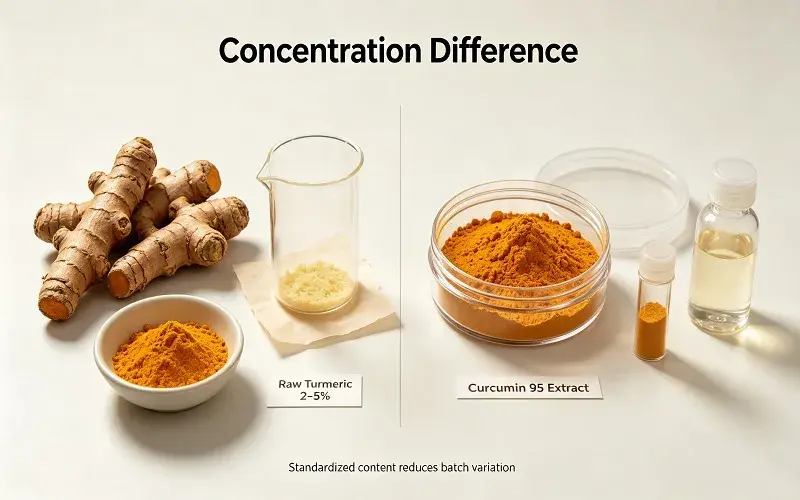
Naturally, turmeric root only has about 2 to 5 percent total curcuminoids. To get amounts high enough for medicinal use, it needs to be extracted in a certain way. Curcumin 95% is an extract that is very concentrated. At least 95% of its dry weight is made up of the three main curcuminoids. This very pure form has the same bioactivity across batches, unlike raw turmeric powders whose composition changes a lot depending on the soil, when it is harvested, and how it is handled afterward.
In business-to-business situations, the standard potency is very important. Dietary supplement makers depend on stable levels of curcumin to maintain therapeutic efficacy and meet label claims. When making skin-brightening serums, cosmetic formulators need stable concentrations. When using curcumin as a natural colorant E100 in food, food producers need stable coloring strength. Without accurate tracking and proof, brands risk not following the rules, failing to work, and losing customers' trust.
Industrial Applications Driving Quality Demands
Curcuminoid extracts that are very pure are used in three main areas. Curcumin is mostly used in pharmaceutical and nutraceutical products for joint health and anti-inflammatory supplements. It is often combined with bioavailability boosters like piperine or lecithin to get past hurdles to absorption. Functional food and drink companies use modern micro-encapsulation or nano-emulsion methods to make it dissolve in water so that it can be used in golden milk powders and wellness drinks. Cosmeceutical brands like it have anti-tyrosinase and antioxidant properties for high-end skin care products, but formulations need to use special stabilization technologies to stop UV damage and stains.
For each application, strict quality control is needed. We are always asked for COAs with detailed HPLC chromatograms, heavy metal reports, and microbiological test results when we work with brands of joint health supplements or clean-label food producers. This information is used to analyze regulatory submissions and quality checks that happen all along global supply lines.
Common Challenges in Detecting Curcumin Content in Turmeric Extract
Why Traditional Methods Fall Short?
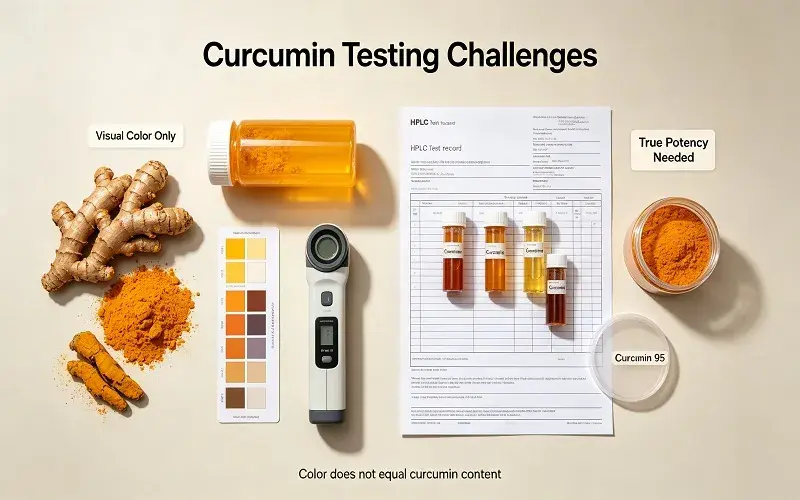
Early quality control methods relied on visual inspection and easy color matching tests, but they couldn't tell the difference between natural curcumin and man-made versions of it. The bright orange-yellow color doesn't tell you anything about the amount of curcuminoids or any other substances that might be present. Some dishonest sellers add tartrazine or other man-made dyes to make the colors stand out more, while cheaper turmeric powder or extracts are used to dilute the color.
It is not possible to tell the difference between individual curcuminoids using even the most basic spectrophotometric means for measuring total color absorption. Because curcumin (diferuloylmethane), demethoxycurcumin, and bisdemethoxycurcumin all affect bioactivity and stability in different ways, measurements of their combined quality don't show the whole picture. When purchasing teams were first drawn in by low prices, their R&D departments ran detailed analytics and found batch-to-batch inconsistency.
Variability Across Supply Chains
Where turmeric comes from has a big effect on its curcuminoid profiles. The proportions of ingredients in Indian varieties are often different from those in Vietnamese or Chinese versions. The final purity and amount of leftover liquid depend on the extraction method used, such as ethanol-based, supercritical CO₂-based, or solvent-assisted. During transit, oxidation can happen if products are stored in a way that doesn't block light or keep the temperature stable.
These factors make things hard for global buyers who have to manage networks with multiple suppliers. Without standardized detection methods, comparing rates is more like guessing than using data to make a choice. Procurement workers are becoming more and more aware that investing in analytical proof up front can save a lot of money in the long run by preventing problems like failed stability tests, regulatory rejections, or customer complaints about products that don't work.
Modern Analytical Methods for Curcumin Content Detection
High-Performance Liquid Chromatography: The Gold Standard
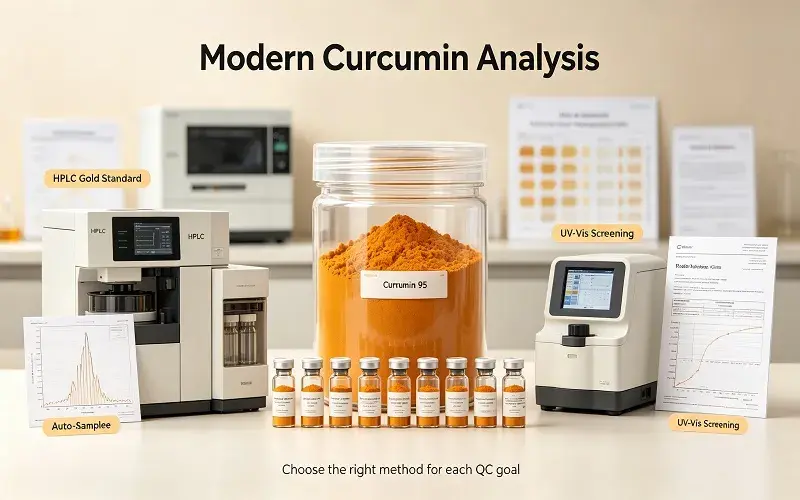
HPLC separates different curcuminoids based on their molecular structures, which lets all three main parts be measured at the same time. The method uses a reversed-phase column with mobile phase gradients, which are usually acetonitrile and acidified water. UV detection at 425 nm picks up peak areas that show how much of each curcuminoid there is. These days, HPLC systems can get resolutions below 0.1%, which makes them essential for checking that pharmaceutical standards are being followed.
What makes HPLC so useful is that it can find contaminants that other, easier methods miss. Different holding times are seen when synthetic curcumin analogs or illegal colorants are used, which is a clear sign of quality problems. The chromatogram turns into a fingerprint that is unique to each batch. When we send customers COAs, we include an HPLC chromatogram so that their quality teams can check the peak patterns of 95% curcuminoids powder against known standards. This gives them peace of mind before they sign large-volume contracts.
Another important benefit is that it can be repeated. Studies between labs show that HPLC results vary by less than 2% when following USP or EP monograph methods. This means that sellers and buyers can trust each other's work. This makes it easier to keep up with long-term supply deals, which are very important when quality stays the same over months or years of shipping.
UV-Visible Spectroscopy: Fast Screening Tool
UV-Vis spectrophotometry checks how much a substance absorbs at certain wavelengths. For curcuminoids, these are usually 420–430 nm. The method works great for quick preliminary screenings when raw materials are received or when checks are being made in the middle of production. To prepare the sample, it is simply dissolved in ethanol or methanol. Then, it is measured against calibration curves made with curcumin reference standards.
UV-Vis is a good tool for checking quality, often because it is cheap. Compared to HPLC systems, the equipment costs less, and training technicians doesn't require as much specialized knowledge. However, the method can't separate individual curcuminoids or find small amounts of adulteration. We suggest using UV-Vis for the first acceptance of a lot and HPLC for regular confirmation, especially for long-term supplier ties where past data shows stability.
Complementary Verification Techniques
Mass spectrometry (MS) and HPLC confirm the molecular weight of each compound, identifying each curcuminoid and finding compounds that haven't been identified before. This method is very helpful when looking into possible pollution or making sure that new materials from a seller are safe. Thin-layer chromatography (TLC) is another way to check results. It works well for testing in the field or places with few resources, but it isn't as accurate as what is needed for regulatory submissions.
C14 isotope dating is a special kind of proof that can only be used to settle natural vs. artificial origin disputes. Because manufactured curcumin comes from fossil fuels, it doesn't have any carbon-14 in it. On the other hand, plant-extracted curcumin does have atmospheric C14 amounts. This test clearly answers questions about authenticity that come up for high-end buyers who want to use clean labels or meet certain legal standards that don't include nature-identical synthetics.
Step-by-Step Guide to Detecting Curcumin Content in Turmeric Extract
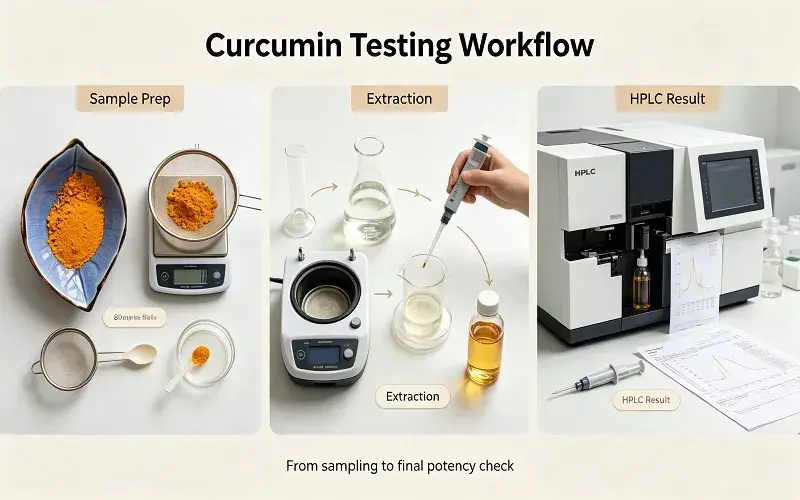
Sample Preparation and Homogenization
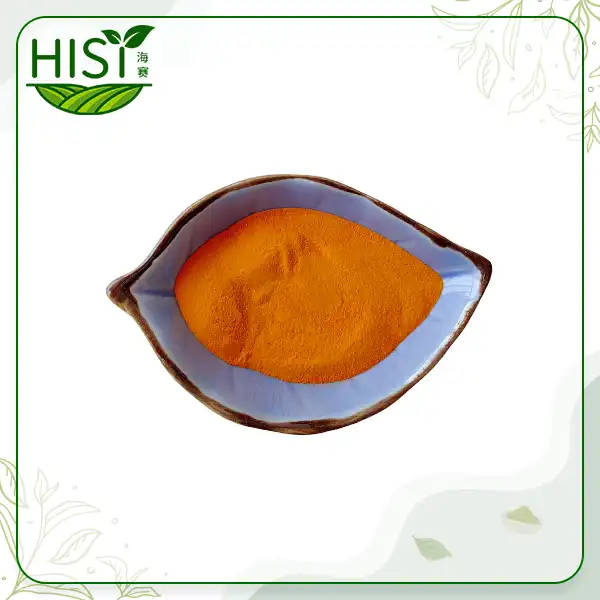
The right way to handle a sample starts before any instrument touches it. To get a representative sample from bulk drums, you need to take several aliquots from different depths and places and then mix them well to account for any settling that might happen during storage and shipping. The orange crystalline powder should go through an 80-mesh screen to make sure that the particle sizes are all the same. This will stop sampling bias, which happens when smaller particles gather during handling.
Because curcumin is lipophilic, ethanol or methanol is usually used for solvent extraction. In a standard procedure, exactly 50 mg of extract is weighed out, moved to a volumetric flask, solvent is added until the volume is reached, and the mixture is sonicated for 15 to 20 minutes to completely dissolve it. Particles that could damage HPLC columns or get in the way of measurement are removed by filtering them through 0.45-micron membrane filters. Curcumin is less stable above 30°C and in direct light, so it's important to keep an eye on the temperature while it's being prepared.
Executing HPLC Analysis
The first step in calibrating an instrument is to make a set of standard solutions with known amounts of curcumin, usually between 10 and 200 micrograms per milliliter. When you inject these standards, you get a calibration curve that shows the link between peak area and concentration. This gives you the math you need to figure out the concentration of an unknown sample, such as 95% curcuminoids powder. Before studying production samples, the system is put through daily suitability tests to make sure that it meets the requirements for clarity, peak symmetry, and retention times.
Sample injection volumes are usually between 10 and 20 microliters, and automated samplers make sure that the amounts are always exactly the same across multiple replicates. The chromatographic run usually ends in 20 to 30 minutes, leaving behind a chromatogram with three clear peaks: bisdemethoxycurcumin (the first elution), demethoxycurcumin (the middle), and curcumin (the last). Peak integration software figures out each area, and then equations turn those numbers into percentages of all the curcuminoids.
Quality Control Benchmarks and Interpretation
Meeting the requirement of "≥95.0% total curcuminoids" means adding up all three peak percentages after taking measurements of moisture loss during drying. The normal ratio is between 75 and 80% curcumin, 15 to 20% demethoxycurcumin, and 3 to 5 percent bisdemethoxycurcumin, but naturally there are some small differences. Any big changes from this pattern could mean that the substance is breaking down, the extraction conditions aren't normal, or someone is trying to tamper with it.
We recently worked with a European nutraceutical brand to make a formula for joint health that includes curcumin, boswellia, and ginger extracts. At first, their quality team had trouble with finished capsules that were different colors from batch to batch. They found that their previous supplier's extracts were inconsistent in quality, even though they said they were always of high quality, after asking for our HPLC data and comparing it with their own testing. When they switched to our material, which has been proven to be 95.16% effective and has tight ratio consistency, their formulation stability problems went away, and they've been ordering from us regularly ever since (eighteen months).
Key Considerations When Procuring 95% Bulk Raw Curcumin Material
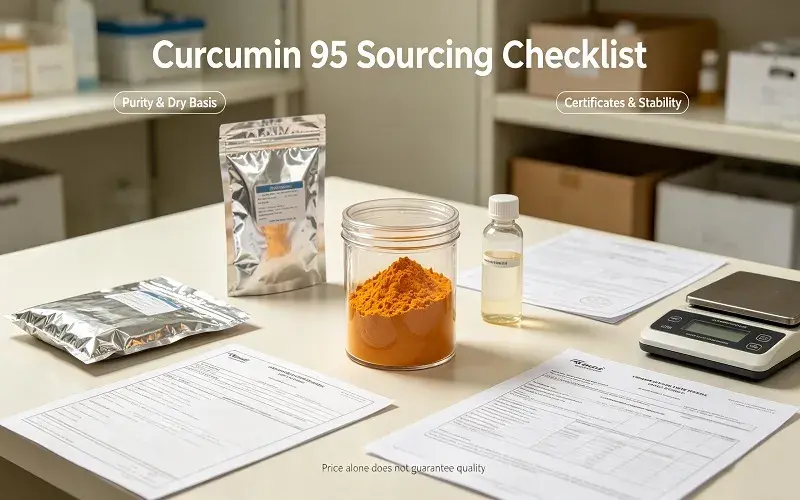
Evaluating Purity Claims and Specifications
When giving a purity percentage, you must always say what the measurement base was, whether it was "as-is" or "dry." Curcumin extracts usually have between 2% and 5% water, so a 93% as-is strength could actually mean 95%+ on a dry basis. By reading the small print on the COA carefully, you can avoid misunderstandings that show up as quality problems during the receiving inspection. It should be very clear in the standard that the product must contain "≥95.0% total curcuminoids (HPLC, dried basis)" and give accepted amounts for each part.
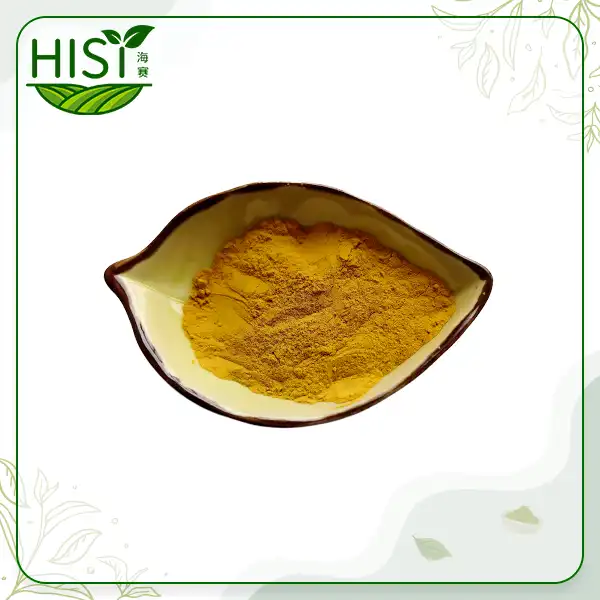
Physical features are also good predictors of quality. The melting point range of 172-178°C proves identity and purity, since samples that have been tampered with or broken down have melting points that are lower. It should look like a bright orange-yellow crystalline powder, not a dull brown powder, which is a sign of oxidation. Typical values for bulk density are between 0.4 and 0.60 g/ml, which ensures smooth production processes during capsule filling or pill compression.
Certifications, Compliance, and Traceability
Compliance with the USP and EP pharmacopeias shows that you follow quality standards that are known around the world. These standards include identifying tests, purity thresholds, heavy metal limits, and microbe contamination levels. Compliance with California Proposition 65 is all about heavy metals like lead, cadmium, and others that build up in roots that grow in soils that are polluted. To get turmeric into the US market, it has to go through strict testing and sourcing procedures because it naturally gathers minerals from the soil.
C14 isotope testing tells the difference between real plant extracts and synthetic copies. Premium brands that want to be known for having clean labels or organic certifications need this paperwork to meet the needs of consumers who want to know the truth and the scrutiny of regulatory agencies. The paperwork that backs up marketing claims and label compliance across multiple regulatory jurisdictions includes non-GMO declarations, gluten-free statements, and statements that common allergens are not present.
Optimizing Price-Quality Relationships
Price changes between curcumin providers are usually due to real differences in quality, not just changes in the profit margin. Ultra-low prices often mean that the products have been tested to have lower potencies, higher moisture levels that lower the effective concentration, shorter shelf lives due to poor handling, or no compliance paperwork. The market price for pharmaceutical-grade material has been between $45 and $75 per kilogram, based on the size of the order, the level of approval, and the terms of delivery.
Our curcumin has a shelf life of 36 months, which is longer than the industry standard of 24 months. This gives you real value when managing your inventory. Buyers can safely stock up on larger amounts to take advantage of big discounts without having to worry about waste due to expiration. This stability comes from carefully controlling the amount of moisture in the air, packaging in aluminum foil bags that are flushed with nitrogen, and storage instructions that stress keeping the product cool, dark, and out of direct sunlight, which speeds up UV degradation.
Custom Formulation and OEM Capabilities
Suppliers who offer R&D support in addition to selling stock extracts are very helpful for brands that are making their own supplement recipes. Bioavailability enhancement is a common technical problem because curcumin doesn't dissolve well in water, which makes it hard for the body to absorb. We work with clients to come up with phospholipid complex formulations, nano-emulsion technologies, and piperine co-formulation techniques that can raise plasma curcumin levels by 2000% compared to using regular powder.
Private label and contract manufacturing services shorten the time it takes to make a new product. Working with a combined seller is easier to coordinate and lowers the risk of quality issues when switching from one supplier to another. This is because you don't have to manage different relationships for raw materials, formulation development, encapsulation, and packing. Flexible minimum order amounts, ranging from 1-kilogram samples for initial stability testing to multi-ton production runs, allow brands at different stages of growth to avoid overcommitting themselves too soon.
Conclusion
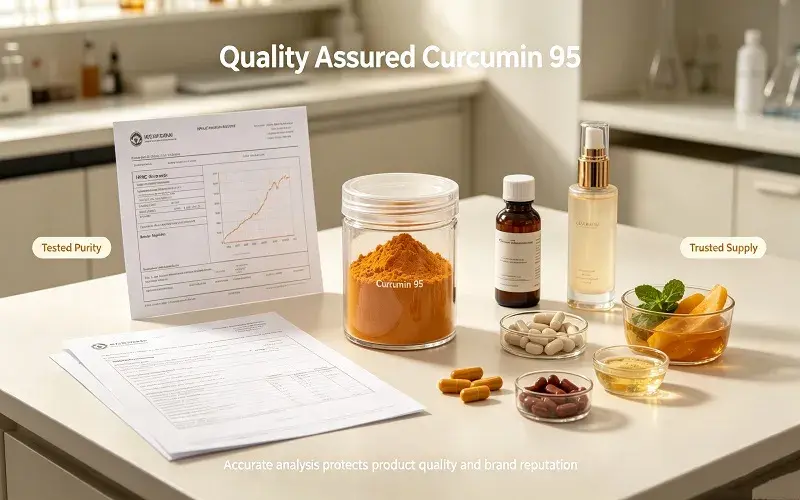
Accurately finding the Curcumin 95% content in turmeric extract is the key to successful business-to-business procurement. It protects against quality problems, not following the rules, and formulation failures. HPLC analysis gives you the accuracy you need to check claims of purity and tell the difference between high-quality materials and ones that have been tampered with. Procurement pros can make smart choices that protect the quality of their products and the reputation of their brand when they know how to use analytical methods, are aware of common supply chain problems, and expect complete documentation. Putting money into thorough testing and approved suppliers pays off in the long run with stable factory performance and happy customers.
FAQ
1. What concentration of curcumin works best in dietary supplements?
Joint health products usually have between 500 mg and 1500 mg of curcuminoid extract per daily serving. Studies have shown that this range is effective for reducing inflammation. Increasing bioavailability by adding piperine (5–10 mg per dose) or using lipid-based delivery systems lets lower doses reach similar plasma levels. This is good for people who want smaller capsules or fewer pills to carry around.
2. Can high-purity curcumin make you sick?
In clinical studies, curcumin has been shown to be very safe. Doses up to 8000 mg daily have been used and have only occasionally caused mild digestive problems. Even at high doses, the systemic exposure is limited by the fact that it is lipophilic and glucuronidated quickly. People who take blood-thinning drugs should talk to their doctors, though, because curcumin has antiplatelet properties that could make the anticoagulant effects stronger.
3. How does absorption rate affect formulation choices?
Native curcumin is only 1% bioavailable when taken by mouth because it doesn't dissolve well in water and goes through a lot of first-pass metabolism. Formulators are now working on better ways to transport drugs. Phospholipid complexes improve uptake by 29 times, and nanoemulsions get even higher plasma levels. Technology choices are based on how the product is positioned and how much it costs. More expensive brands can explain their higher costs with better bioavailability proof.
Partner with Hisy for Premium Curcumin 95% Supplier Solutions
Pharmaceutical-grade botanical extracts from Shaanxi Hisy Biotechnology Co., Ltd. are trusted by procurement teams around the world. The company has strict quality control systems and quick technical support. Our Curcumin 95% powder has been tested and found to contain at least 95% total curcuminoids using HPLC. Each batch comes with a full certificate of analysis (COA) that includes chromatograms, heavy metal analyzes, and bacterial reports. Verification of the C14 isotope shows that the product comes only from plants, which meets the standards for a clean label. Also, compliance with California Prop 65 and the USP/EP pharmacopeia ensures governmental trust in both North American and European markets.
We know how hard it can be to make custom formulations, so we offer R&D partnerships on bioavailability improvement, complex plant mixes, and stability improvement. Order sizes range from 1-kilogram samples to multi-ton contracts to meet the needs of a wide range of businesses. Stock orders are shipped within 4–8 days, and special recipes are ready in 15–20 days. Our manufacturing facility is FDA-registered, HACCP-certified, and ISO-compliant. It serves more than 40 countries and has a track record of getting goods through customs.
Contact our team at sales@hisybio.com to get free samples, talk about your unique recipe needs, or look into private label options.
References
1. Hewlings, S.J. and Kalman, D.S. (2017). Curcumin: A Review of Its Effects on Human Health. Foods, 6(10), 92.
2. Priyadarsini, K.I. (2014). The Chemistry of Curcumin: From Extraction to Therapeutic Agent. Molecules, 19(12), 20091-20112.
3. Anand, P., Kunnumakkara, A.B., Newman, R.A., and Aggarwal, B.B. (2007). Bioavailability of Curcumin: Problems and Promises. Molecular Pharmaceutics, 4(6), 807-818.
4. United States Pharmacopeia. (2023). Curcumin Monograph. USP 46-NF 41, Rockville, MD.
5. European Pharmacopoeia Commission. (2022). Curcuma longa rhizome and curcumin. European Pharmacopoeia 11th Edition, Strasbourg, France.
6. Prasad, S., Tyagi, A.K., and Aggarwal, B.B. (2014). Recent Developments in Delivery, Bioavailability, Absorption, and Metabolism of Curcumin: The Golden Pigment from Golden Spice. Cancer Research and Treatment, 46(2), 2-18.