

_1752718207094.png)

What is the usage of Vitamin A Palmitate Powder in food?
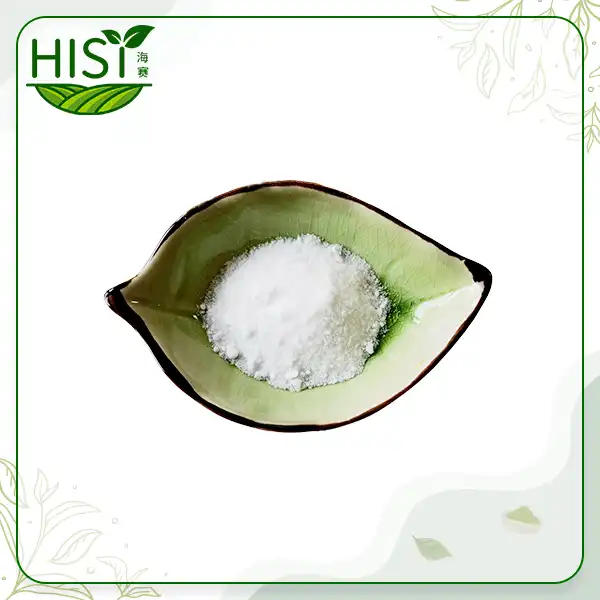
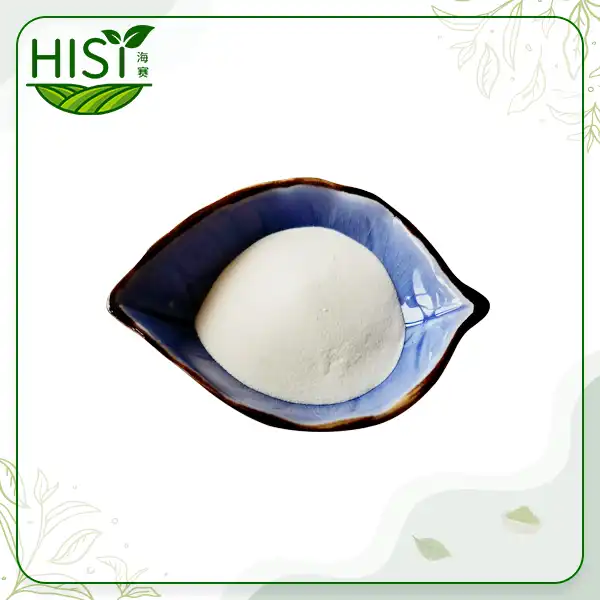
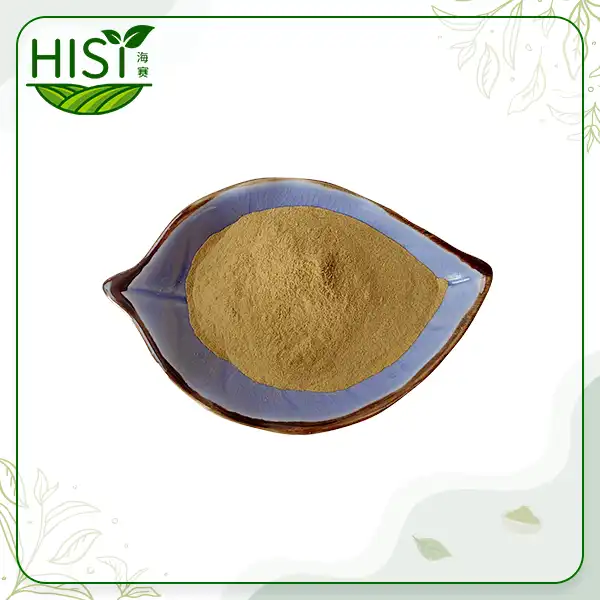
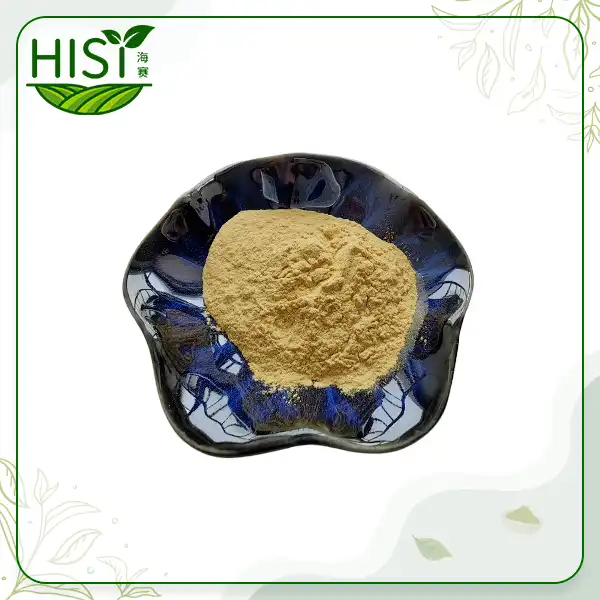
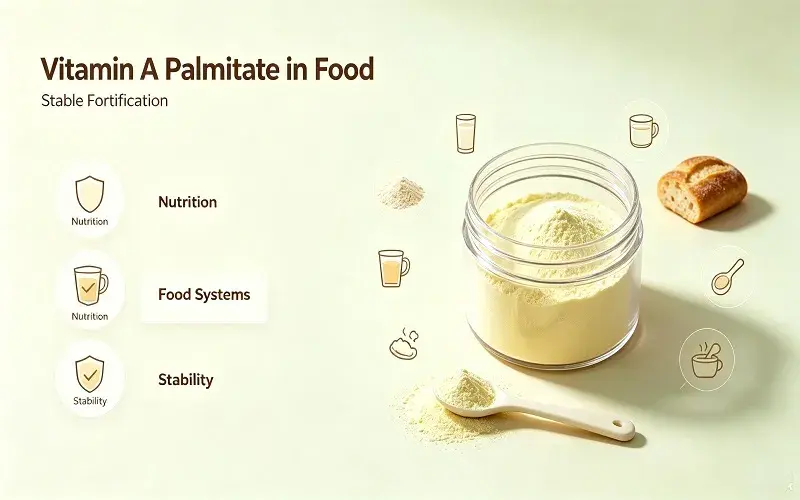
Vitamin A Palmitate Powder serves as an essential fortification ingredient in the global food industry, addressing vitamin A deficiencies through strategic nutrient supplementation. This water-soluble, microencapsulated form of retinyl palmitate (CAS: 79-81-2) delivers consistent potency at ≥325,000 IU/G, making it ideal for dairy products, baked goods, beverages, infant formula, and functional foods. Unlike unstable liquid forms, this beadlet technology ensures uniform dispersion, oxidative stability, and extended shelf life throughout manufacturing and storage, meeting the rigors demands of food-grade applications worldwide.
How Does Vitamin A Palmitate Powder Enhance Food Quality and Safety?
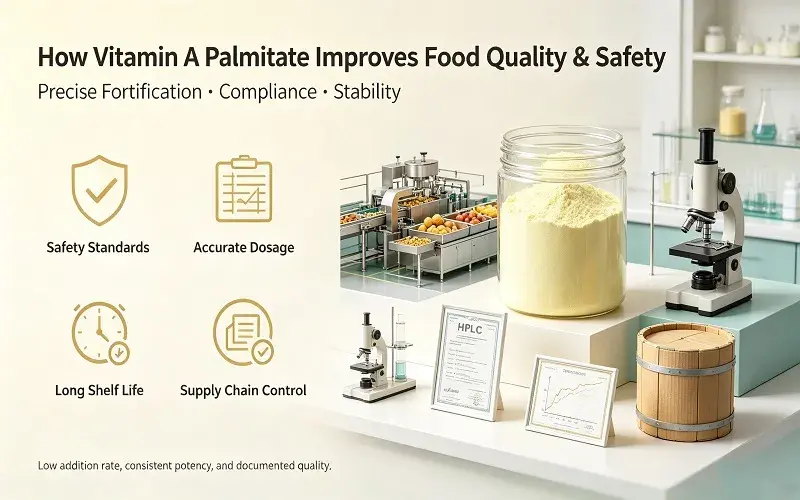
In mature markets, where Vitamin A Palmitate Powder fortification meets strict safety standards and public health requirements, chemical choice is based on following the rules.
Addressing Global Nutritional Deficiencies Through Fortification
The World Health Organisation says that 190 million preschool-age children around the world are not getting enough vitamin A. In the US, fortification programmes make sure that dairy products have between 500 and 2000 IU per serving, and infant formula has between 300 and 750 IU per 100 kcal. Our high-potency recipe (≥325,000 IU/G) lets us give exact doses with very little powder added to finished products—usually just 0.03 to 0.08% by weight—so the texture and taste profiles stay the same.
Regulatory Compliance in North American Markets
For ingredient providers that work with US manufacturers, the minimum requirements are FDA registration, HACCP procedures, and ISO 22000 approval. To comply with California's Proposition 65, heavy metals must be tested carefully. Our quality control procedures keep lead levels below 2 ppm and arsenic levels below 1 ppm. Each Certificate of Analysis has HPLC chromatograms that check the amount of all-trans-retinol present. These chromatograms separate medically active isomers from inactive cis-configurations, that make it harder to trust the label claim.
Stability Advantages for Extended Shelf Life
Accelerated stability tests at 40°C/75% RH show that vitamin A palmitate food grade loses less than 10% of its effectiveness over 24 months when kept in fibre drums with two polythene covers. This is better than oil-based alternatives, which lose 25 to 35 per cent of their effectiveness in the same conditions. Loss on drying requirements below 5% stop hydrolytic degradation within powder matrices, which is important for tropical climate distribution, where controlling humidity is hard.
When compared to working with liquid retinol, which needs to be kept in a cold chain and poses risks of absorption through the skin, manufacturing settings are safer for workers. The odourless, light yellow powder flows easily through automatic blending systems and doesn't clog spray nozzles or pose a risk of dust explosion as long as proper grounding methods are followed.
Comparative Analysis: Vitamin A Palmitate Powder vs Other Vitamin A Sources
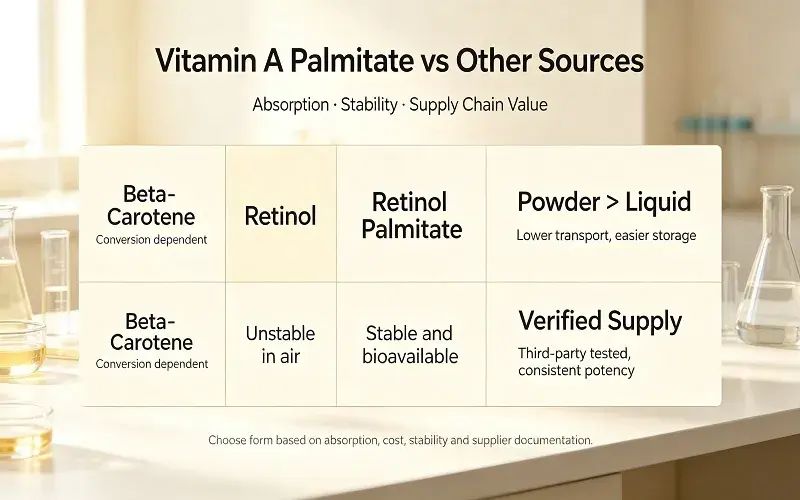
Choosing the right ingredients affects both the efficiency of operations and the performance of the final product in a number of ways.
Absorption Efficiency Across Vitamin A Forms
Even though beta-carotene comes from plants, it needs to be changed into retinol using enzymes. The rate of conversion varies from 12:1 to 24:1, which makes it hard to know how much to take. Pure retinol is bioavailable right away, but it breaks down in the air within hours. Retinyl palmitate strikes a mix between these two extremes, giving direct vitamin A action while also being stable during processing. Comparative bioavailability studies show that palmitate esters are absorbed 88% of the time, while provitamin A carotenoids in enriched basic foods are only absorbed 45–60% of the time.
Powder vs Liquid Form Procurement Considerations
When compared to powders that can be stored at room temperature, moving liquid vitamin A concentrates costs 40 to 60 per cent more because they need to be kept in a cold chain (2 to 8°C). Vitamin A Palmitate Powder forms make customs clearance paperwork easier, get rid of the costs of refrigerated storage, and lower the insurance premiums that come with temperature-sensitive biologics. Large-scale operations show handling benefits: a 25 kg drum of powder (our standard packaging) contains the same amount of IU as 85–100 litres of liquid concentrate, which cuts down on storage space and speeds up inventory turnover.
Supplier Quality Verification Protocols
When sellers keep their paperwork clear, buying from FDA-registered sites in China's Shaanxi province is both cost-effective and reliable. Third-party tests for pesticide residues (meeting US EPA standards), microbiological safety (USP <61>/<62> compliance with total plate counts below 1,000 CFU/g), and C14 isotope analysis confirming natural-source vitamin A rather than fully synthetic alternatives that European buyers are rejecting more and more are important ways to make sure the product is real.
Our 18-year history of manufacturing across 4 specialised production lines gives us a supply chain that younger companies can't match. Monthly capacity of more than 2,000 kg supports both spot purchases and annual framework agreements. This gets rid of allocation risks during seasonal demand spikes, which happen most often for dietary supplement manufacturers in Q3 and Q4.
Procurement Insights for Vitamin A Palmitate Powder in the Food Industry
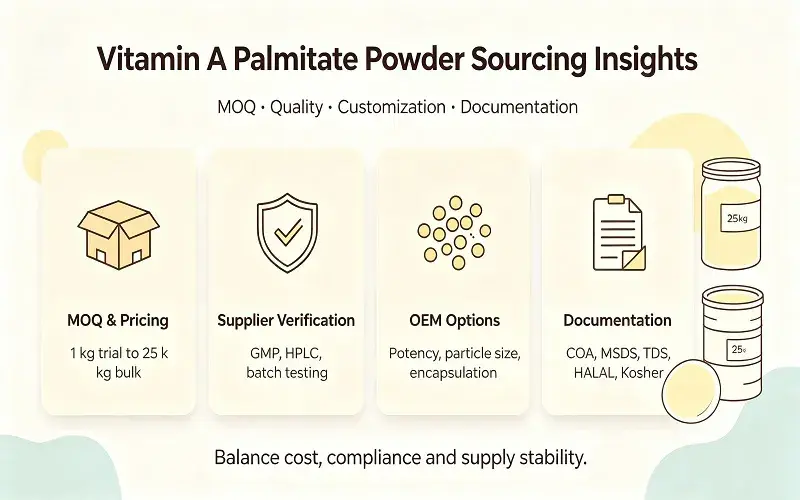
When you do strategic sourcing, you have to find a balance between technology requirements, business terms, and the stability of the supply chain.
Minimum Order Quantities and Pricing Structures
Bulk buyers save money because of economies of scale. For well-known manufacturers, the minimum order quantity (MOQ) for 25 kg fibre drum purchases is the norm. When you order by the container load (16–18 metric tonnes in 20-foot containers), you can get volume discounts of 15–22% compared to ordering by the pallet. We do, however, accept smaller trial orders starting at 1 kg foil bags for recipe development, since we know that validating a product comes before making large-scale purchases.
The price is directly related to the quality requirements and the level of tests. Food-grade materials that meet FDA guidelines are more expensive than feed-grade materials because they have tighter limits on heavy metals and allergens. Prices for ≥325,000 IU/G potency on the market right now range from $180 to $240 per kilogram, based on how much you order and how you want it delivered (FOB Xi'an vs. CIF target port).
Supplier Verification and Quality Assurance
As part of due diligence, production capabilities must also be checked in addition to certificates. Some important steps in the verification process are checking that the facility is GMP-accredited (our 150 m² workshop meets Class 100,000 cleanroom standards), going over batch testing techniques (we use proven HPLC methods to do potency tests on every production lot), and looking at how complaints are handled. References from current customers in your industry can tell you a lot about how regular your deliveries are and how quickly your technical support team responds.
You can use Alibaba Trade Assurance to make online purchases or direct bank transfers (T/T) to pay for Vitamin A Palmitate food grade. Escrow services protect buyers during their first trial orders. Our lead time of 4–8 days from order approval to shipping is shorter than the 15–21 days that most companies take, which is important for just-in-time inventory management.
OEM and Private Label Customisation Options
What sets strategic suppliers apart from commodity traders is their ability to change their formulas. We can make custom changes to the potency (250,000 to 500,000 IU/G), the particle size (100 mesh or more for beverage applications), and the encapsulation matrices to make them more acid-resistant. The completion of an NDA protects secret formulas, which is very important when creating signature nutritional mixes or solving specific processing problems, such as stopping colour migration in layered tablets.
Technical support includes making sure the product works with the ingredients you already have, speeding up shelf-life studies, and making sure the right amount of product is used for each target group. When compared to working with suppliers who only offer standard specs, this collaborative method cuts development times by 30 to 40 per cent.
Customs delays can be avoided by having all the necessary paperwork. Our usual package includes COA, MSDS, TDS, allergen statements, non-GMO declarations, and BSE/TSE-free certificates. For some markets in North America and the Middle East, you can ask for HALAL and Kosher approvals. However, the wait time for lot-specific paperwork is two to three weeks.
Practical Usage Guidelines: Dosage and Application Methods in Food Processing
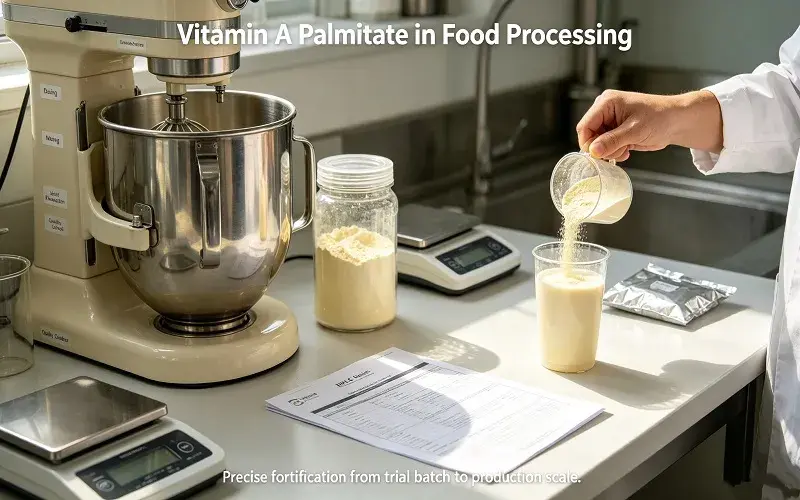
To successfully fortify something, you need to know the legal limits, processing parameters, and quality control checkpoints.
Region-Specific Dosage Recommendations
According to US FDA rules, standardised foods can have up to 10 to 20 per cent of their Daily Value (900 mcg RAE, or about 3,000 IU for adults) of Vitamin A Palmitate Powder added to them. This is to make sure that the nutrition levels are the same. The highest amount of RE that can be found in food additives is set by EU Regulation 1925/2006 at 800 mcg per daily serving. Our high-potency version only needs 9.2 mg of powder per 3,000 IU dose, so it can be added to products without changing their appearance or taste.
For infant formula, accuracy is needed because Codex Alimentarius standards say that there should be 250–750 IU per 100 kcal, which means that blending must be done with pharmaceutical-grade accuracy. Fortification of beverages usually aims for 10–25% DV per 240 ml dose, which is 300–750 IU. This can be done with direct injection methods or by adding a pre-dissolved premix before pasteurisation.
Incorporation Techniques for Uniform Distribution
According to the rules for dry blending, geometric dilution is the best way to mix the vitamin powder with a carrier ingredient of similar weight, like maltodextrin or lactose. Then, the batch size should be doubled three times before it is added to the main recipe. This stops concentration pockets from forming in one place, which leads to differences between batches.
Case Studies Demonstrating Measurable Improvements
Post-processing addition is helpful for applications that can't handle heat. To keep 95%+ of the effectiveness, add to baked goods after they have cooled to below 60°C. For beverage systems that use UHT processing, adding fortification after heat treatment through clean measuring pumps is important to keep the cold-fill temperatures below 15°C to avoid oxidative losses.
Checkpoints for quality control include calibrating blending equipment before each shift, taking samples during production (at least three samples per batch for HPLC verification), and storing finished products under accelerated conditions (40°C/75% RH for 3 months) to confirm the expiration dates.
A Midwest dairy cooperative that added vitamins to 2% milk got 98.7% of the label claims to be true over a 6-month period after moving from an oil-based format to our Vitamin A Palmitate Powder format. This stopped customers from complaining about vitamins settling. The production line became 23% more efficient because the equipment didn't have to go through as many cleaning cycles to get rid of oil residue.
By using our stabilised beadlet technology, a company that makes organic baby food cut vitamin A overage from 18% to 115% (best practice in the industry is 110–130% to account for degradation). This saved the company $47,000 a year on raw material costs while still following all the rules.
A functional beverage company aimed at fitness fans successfully added 50% DV vitamin A to acidic citrus drinks (pH 3.2) with no sedimentation after 12 months of storage testing. This allowed them to get retail distribution that rivals using ingredients that weren't stable couldn't get.
Conclusion
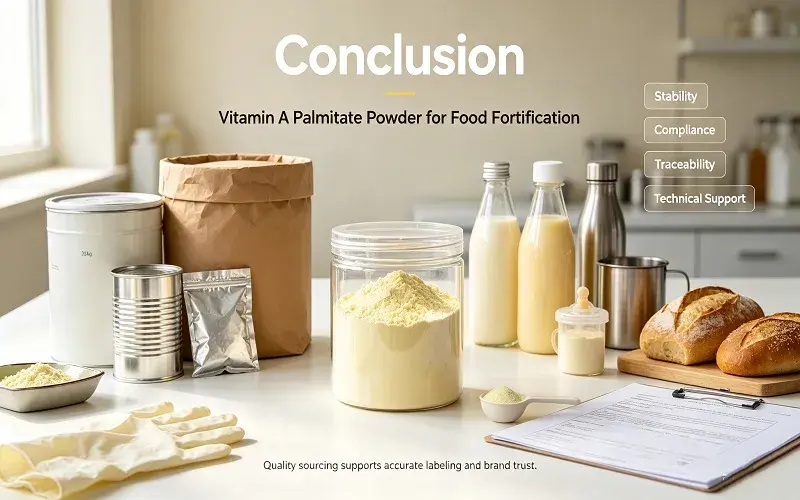
Vitamin A Palmitate Powder is an important chemical investment for food companies that want to improve nutrients, follow regulations, and run their businesses more efficiently. The water-soluble beadlet format solves the usual problems of fat-soluble vitamins not staying stable, giving better shelf life, processing options, and bioavailability in a wide range of food applications. Verifying the seller is very important when making a purchase. Facilities that are FDA-registered, lots of paperwork, and helpful technical support are what set reliable partners apart from transactional vendors. Manufacturers can make sure that label claims are accurate while also improving production processes by understanding dosage rules, incorporation techniques, and quality control routines. Strategic sourcing strikes a balance between quality assurances and cost concerns, knowing that the honesty of ingredients has a direct effect on both brand reputation and consumer safety.
FAQ
1. Is Vitamin A Palmitate Powder Safe for All Food Categories?
Yes, it has a well-known safety profile in cheese, baking, drinks, and supplements when used within the limits set by regulators. Concerns about toxicity only appear when people regularly consume more than 10,000 IU, which is a lot more than the normal fortification levels of 10 to 25 per cent of the DV per serving. Women who are pregnant should watch how much retinol they get from different sources because retinol forms are more likely to cause birth defects than beta-carotene at levels higher than 3,000 mcg RAE per day.
2. How Can I Verify Product Quality and Supplier Authenticity?
Ask for batch-specific paperwork, such as GMP facility audit reports, customer references in your industry, and third-party lab analysis (not just supplier COAs). A physical test of the sample should show that it has a faint yellow colour, no smell, and is completely dispersed in cold water within 60 seconds at 15-20°C. Before placing a large order, you can be sure of the product's potency through independent HPLC testing, which costs $150 to $300 per sample.
3. What is the typical shelf life in bulk storage conditions?
When things are properly packed (in fibre drums with dual polythene cores and nitrogen-flushed, they stay 90% or more effective for 24 months at room temperature (20-25°C, <60% RH). When you open a jar, you have to close it again after each use and eat it within 6 months. If you store it in the fridge (2–8°C), it will stay stable for 36 months, but there is a chance of moisture condensation when the temperature changes. Make sure the temperature stays stable at room temperature before opening sealed containers.
Partner With Hisy for Premium Vitamin A Palmitate Powder Supply
Shaanxi Hisy Biotechnology Co., Ltd. has been making high-quality products for 18 years and offers customer-focused service that is specifically designed to meet the needs of the food business. Our high-potency Vitamin A Palmitate Powder (≥325,000 IU/G) goes through strict quality checks in FDA-registered, HACCP-and ISO-certified labs. This makes sure that each batch is the same and that we follow all customised for the strict US market. Our technical team can help you with formulations, stability testing, and full documentation packages that include COAs, MSDSs, and allergen statements. This is true whether you need bulk supplies for established production lines or custom formulations for new product development. We can handle orders of any size, from free 1-kg trial samples for qualified buyers to full container loads. Our industry-leading 4- to 8-day delivery ensures that your production schedules don't get thrown off. As an established Vitamin A Palmitate Powder seller with shipping options to more than 30 countries around the world, we know how important it is for the supply chain to be reliable and for everyone to be able to talk to each other clearly. Contact our team at sales@hisybio.com to discuss your specific fortification requirements and receive customised pricing for your next procurement cycle.
References
1. Allen, L., et al. (2020). "Guidelines on Food Fortification with Micronutrients." World Health Organisation and Food and Agriculture Organisation Joint Publication.
2. Institute of Medicine (2001). "Dietary Reference Intakes for Vitamin A, Vitamin K, Arsenic, Boron, Chromium, Copper, Iodine, Iron, Manganese, Molybdenum, Nickel, Silicon, Vanadium, and Zinc. "National Academies Press.
3. Tanumihardjo, S.A. (2011). "Vitamin A: Biomarkers of Nutrition for Development." American Journal of Clinical Nutrition, 94(2), 658S-665S.
4. Gannon, B.M., et al. (2018). "Biofortification of Staple Crops with Provitamin A Carotenoids: Lessons Learned from Plant Breeding and Delivery Programmes." Current Developments in Nutrition, 2(5), nzy013.
5. Combs, G.F., McClung, J.P. (2017). "The Vitamins: Fundamental Aspects in Nutrition and Health, Fifth Edition." Academic Press, Chapter 7: Vitamin A.
6. European Food Safety Authority (2015). "Scientific Opinion on Dietary Reference Values for Vitamin A." EFSA Journal, 13(3), 4028.