

_1752718207094.png)

Safety handling tips for natural capsaicin powder
Safe handling of Natural Capsaicin Powder requires meticulous attention to protective equipment, environmental controls, and emergency protocols. This highly concentrated capsaicinoid extract—featuring ≥97% total capsaicinoids, including ≥55% Capsaicin and ≥20% Dihydrocapsaicin—demands specialized procedures to prevent skin contact, respiratory exposure, and workplace contamination. Understanding proper storage, transportation, and spill response protocols protects personnel while maintaining product integrity for pharmaceutical, industrial coating, and pest control applications. Implementing OSHA-compliant safety measures ensures regulatory adherence while safeguarding operational continuity in high-purity capsaicin manufacturing and distribution environments.
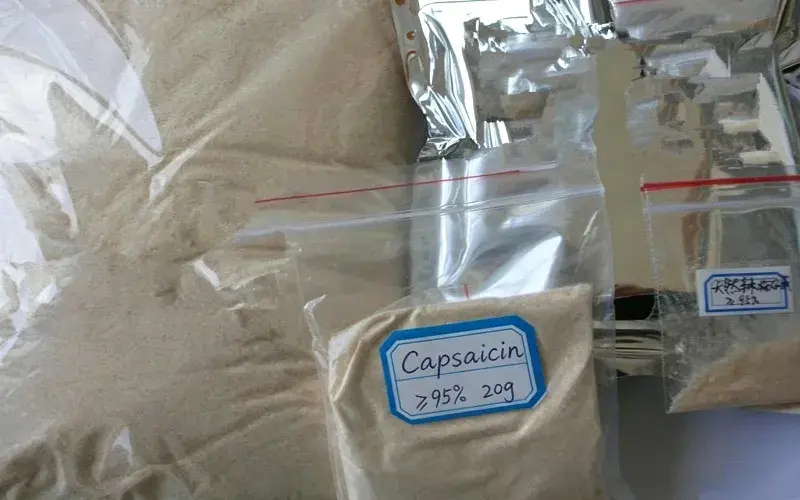
Understanding Natural Capsaicin Powder and Associated Risks
Natural Capsaicin Powder extract has its own set of risks that procurement managers and production teams need to be aware of and take steps to prevent. Capsicum frutescens L. is used to make the crystalline powder, which contains bioactive alkaloids that, even at very low concentrations, cause strong sensory responses.
Chemical Nature of High-Purity Capsaicinoids
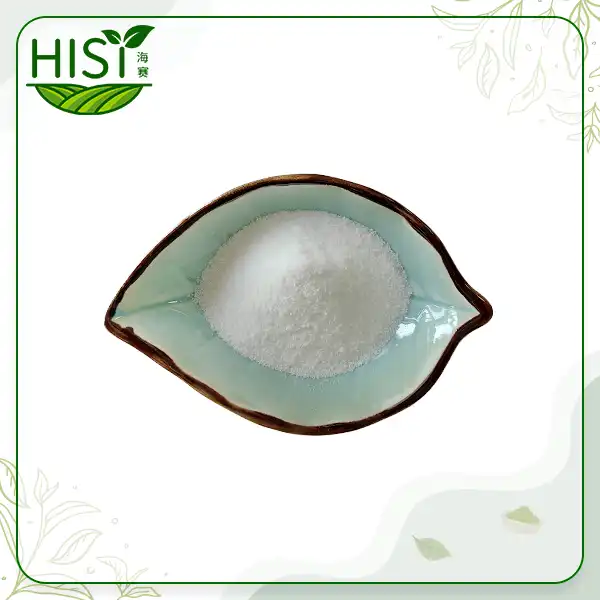
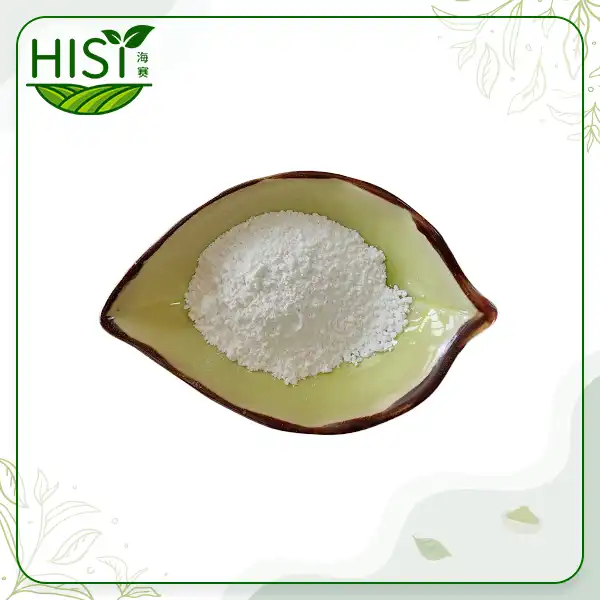
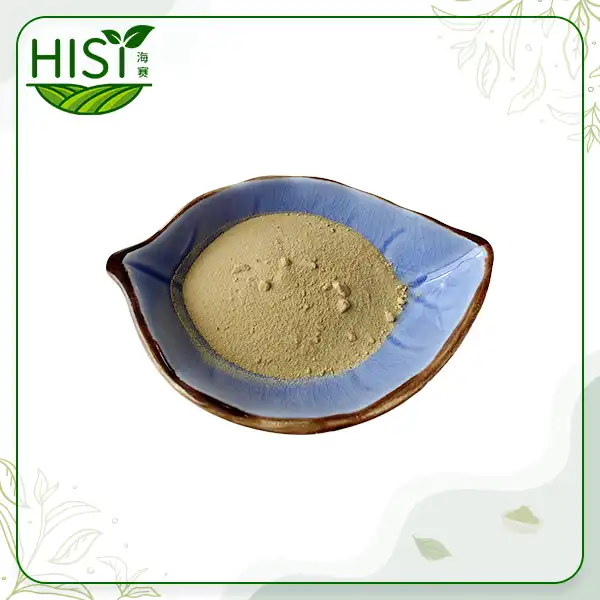
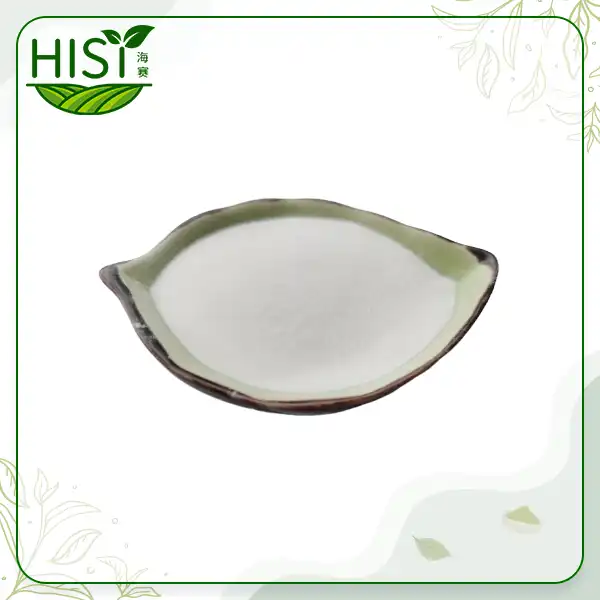
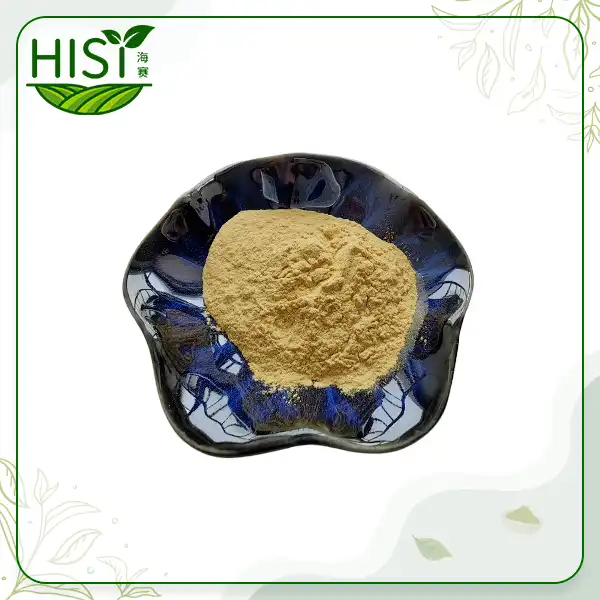
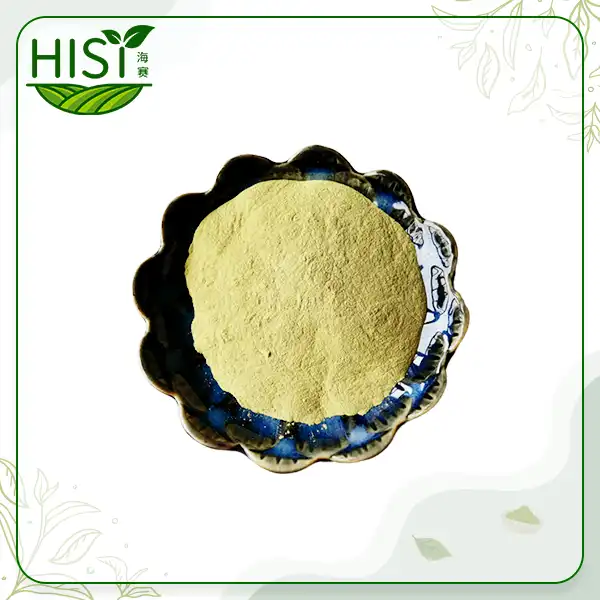
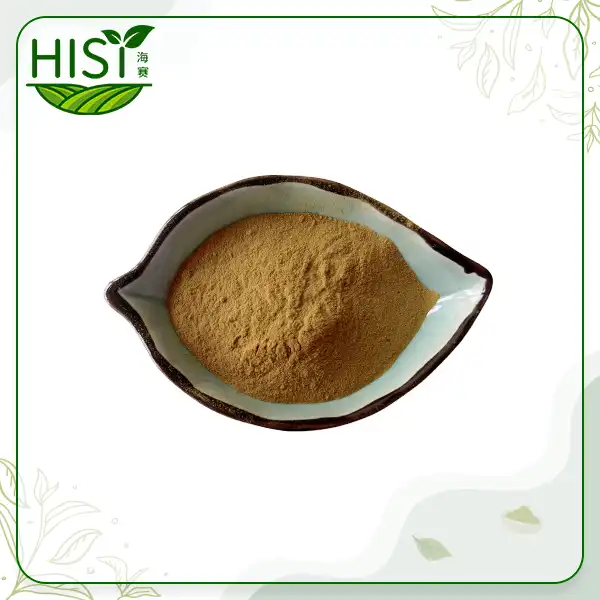
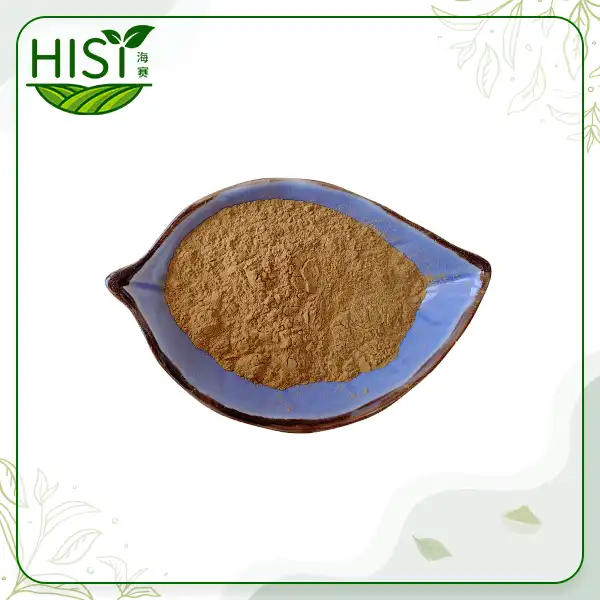
Capsaicin (C18H27NO3) and dihydrocapsaicin (C18H29NO3) make up most of the complex mixture of capsaicinoids that make up Natural Capsaicin Powder. The solid structure of our pharmaceutical-grade material is off-white, and its freezing point is between 62°C and 65°C. The chemical structure has a vanillyl part that binds to TRPV1 receptors, which is why it is such a strong allergen. Concentrations above 97% total capsaicinoids greatly increase the risks of exposure compared to diluted oleoresins or whole pepper powders. The 80-mesh grain size that Hisy uses makes sure that mixtures are evenly spread out and also gives more surface area for flying spreading while the mixture is being handled.
Primary Exposure Hazards in Industrial Settings
Facilities that process capsaicinoid powders need to pay attention to three important ways that people can be exposed. When something touches the skin, it burns, turns red, and may even blister based on how strong it is and how long it lasts. For people who are sensitive, breathing in airborne particles can cause coughing, sore throats, and bronchospasm. Contamination of the eyes is the most serious immediate risk, causing severe pain, discharge, and brief loss of vision. Cross-contamination can happen during production runs and affect whole batches of unrelated goods. This makes quality control a headache for companies that make medicines and supplements.
Regulatory Frameworks Governing Capsaicin Handling
According to OSHA rules, high concentrations of capsaicin are a Category 4 acute toxicity substance that needs special controls in the workplace. Our USP 46-NF41-compliant material is pure enough to meet pharmacopeial standards and must be made in accordance with Current Good Manufacturing Practices (cGMP). TSCA compliance makes sure that sales are allowed in the United States, and REACH registration meets the needs of the European market. Shaanxi Hisy Biotechnology Co., Ltd.'s FDA registration, HACCP protocols, and ISO certifications show that we are dedicated to going above and beyond basic safety and quality standards. These frameworks protect workers and make sure that medicine patch makers and industrial paint formulators make real products.
Comprehensive Safety Handling Principles for Natural Capsaicin Powder
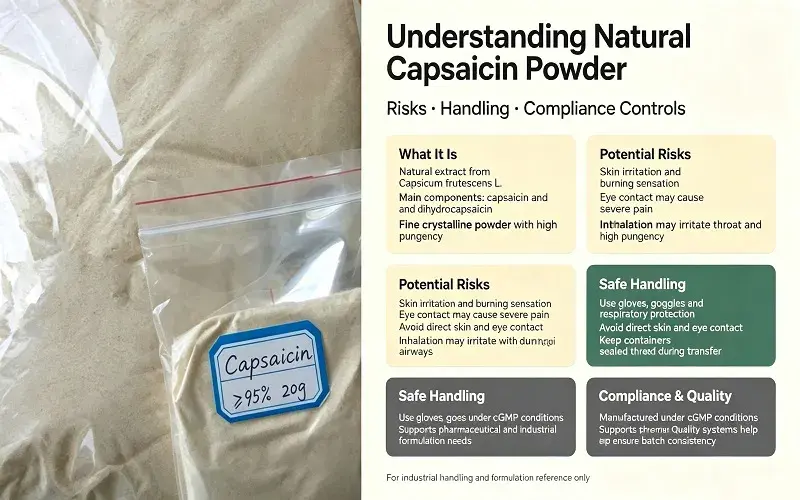
Choosing the right safety gear and maintaining controlled environments throughout the product's lifecycle are the first steps in making strong handling procedures.
Essential Personal Protective Equipment Requirements
Wearing the right PPE is the best way to avoid getting exposed by accident while weighing, mixing, or packaging. When it comes to chemical protection, nitrile gloves with long cuffs are better than rubber or vinyl gloves. When working with large amounts of something for a long time, double-gloving adds extra protection. Full-face respirators with P100 filters keep you from breathing in airborne particles, especially when moving things from packaging that has been flushed with nitrogen. Chemical-resistant armbands and aprons keep clothes and skin safe from spills. Safety goggles with indirect air keep your eyes clean while still letting you see clearly. Coveralls that are thrown away after use keep workers' clothes from getting dirty and lower the risk of exposure at home.
When you put on your clothes in the right order, you stop cross-contamination that weakens protection measures. Before putting on the first layer of gloves, operators should wash their hands well. Next, they should put on safety clothing and breathing gear, and finally, the top layer of gloves. When donning, the same level of care is needed: first the outer gloves, then the protective clothing, then the respirators, and finally washing the hands with soap and cool water. Controlling the temperature is important during decontamination because warm water can make it easier for the skin to absorb capsaicin.
Optimal Storage and Environmental Controls
Keeping an eye on temperature and humidity levels keeps products stable and lowers the risks of touching them. Our Natural capsicum oleoresin powder needs to be kept out of direct sunlight and heat sources at a controlled room temperature between 15°C and 25°C. When the relative humidity is below 60%, moisture can't be absorbed, which can help the solid structure break down. Hisy's nitrogen-flushed packaging stops oxidative breakdown while it's being stored, so the Capsaicin/Dihydrocapsaicin ratio stays the same, which is what pharmaceutical formulators need. Containers must be kept tightly closed when not in use, and they must be kept away from strong oxidizers and alkaline substances, among other things.
Proper ventilation systems with HEPA filters catch flying particles before they spread throughout a building. Point-source capture is done by local exhaust air at weighing stations and mixing areas. Keeping the negative pressure in processing areas stops contamination from spreading to nearby areas. In places where capsaicinoid powders are being worked with, air handling systems should move at least 10 to 12 times per hour. Regular repair on the filters keeps the system working well over time.
Transportation and Transfer Best Practices
Natural Capsaicin Powder extract needs to be moved between storage, production, and shipping areas using sealed packages and marked paths. Closed-system transfers that use vacuum conveyance or special equipment for moving materials reduce exposure to the atmosphere. When workers have to do moves by hand, they should do so in fume hoods or downdraft tables. DOT rules say that large packages that are more than a certain amount must have labels. Our 1 kg foil bag packaging with nitrogen flushing keeps the product's integrity during the 4–8 day delivery window and makes it easier to handle safely at the destination facilities.
Step-by-Step Procedures to Prevent Exposure and Accidents
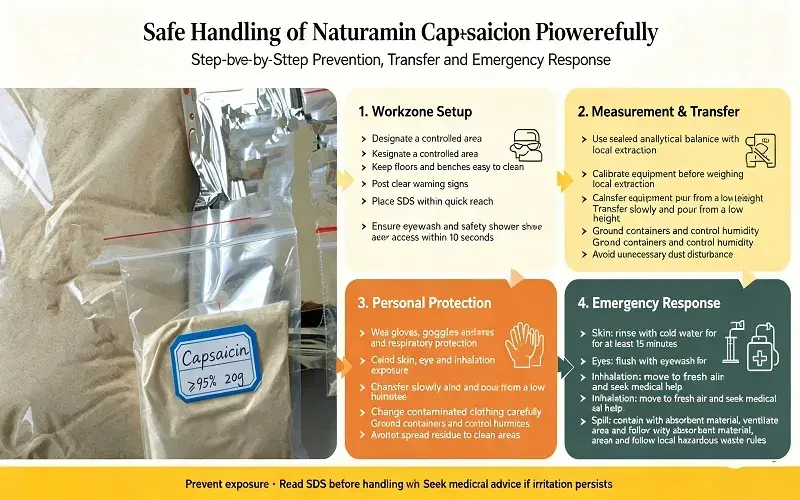
Setting up designated workspaces with clear rules and easy access to emergency resources is important for operational safety.
Workspace Setup and Documentation Requirements
Processing areas should have floors and work tables that don't let spills get on other things and are easy to clean up afterward. Putting up clear warning signs lets people know where to handle Natural Capsaicin Powder. Keeping up-to-date Safety Data Sheets (SDS) in several places makes sure that they can be found quickly in case of an emergency. ANSI Z358.1 guidelines say that eye wash units must be placed within 10 seconds of handling areas. When there is a significant exposure, emergency showers can clean the whole body. Setting up restricted entry protocols keeps employees accountable through sign-in processes and limits their exposure when it's not necessary.
Measurement and Transfer Protocols
Weighing activities create the largest levels of particulate matter in the air, so better controls are needed at this crucial stage. When sealed analytical scales with built-in fume extraction are used, dispersal is kept to a minimum. Pre-calibrating scales before starting work stops people from trying to weigh things over and over, which increases their chances of being exposed. When moving powder from one container to another, workers should be careful and slow, and they should pour from low levels to avoid making dust. Particulates can stick to container walls or spread out of control when there is static electricity. This risk can be reduced by grounding equipment and keeping humidity levels at the right level.
Our Natural Capsaicin Powder has particles that are 80 meshes big, which makes it easy to blend evenly in medicine patches and antifouling coats, but it needs to be handled carefully when being moved. Formulators who are making transdermal painkillers like how the particles are spread out evenly, which speeds up the dissolution process and increases bioavailability.
Emergency Response and First Aid Measures
Even with precautions, environmental events need to be dealt with right away and in the right way. If the skin is damaged, it should be washed with lots of cool water for at least 15 minutes. Surfactants can make it easier for the capsaicinoid to be absorbed, so don't use soaps at first. After the first rinse, cleaning with soap gets rid of any leftover dirt. Carefully taking off contaminated clothing is needed to keep capsaicinoids from spreading to skin that isn't affected. Exposures to the eyes need to be washed right away with an eyewash station and kept open for at least 20 minutes. Getting medical help after the first cleaning step makes sure that you get the right follow-up care.
People who are harmed by respiratory exposures need to be moved to fresh air right away. Giving extra oxygen may help people with bronchospasm feel better. After a medical evaluation, it is decided whether more help with breathing is needed. Containing a spill starts with getting rid of people who aren't needed and opening up the area for airflow. Chemical spills are contained by absorbent materials that keep the material from spreading through the air. It dissolves capsaicinoids better than water alone when used to clean up surfaces that have been contaminated with 70% isopropanol alcohol solutions. The right way to get rid of contaminated materials depends on the rules in your area for dealing with toxic trash.
Comparing Safety of Natural Capsaicin Powder with Alternatives
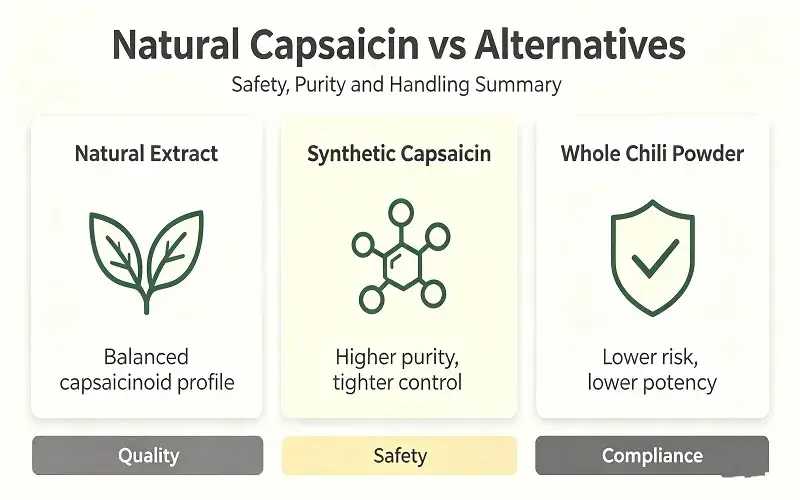
When buying Natural Capsaicin Powder, it's helpful to know how different sources compare in terms of how safe they are to handle and how well they work for different uses.
Natural Versus Synthetic Capsaicinoids
Synthetic capsaicin, which is often nonivamide, is usually more than 98% pure, which means it has a higher dose but might be more irritating when handled. Some researchers think that Natural capsicum oleoresin powder has more balanced sensory effects because it has a wider range of capsaicinoid compounds, such as nordihydrocapsaicin and homocapsaicin. When it comes to safety, the rules for handling stay the same. However, because synthetic materials are more concentrated, they may need a little stricter control. Using Carbon-14 isotopic research to prove natural origin stops problems with adulteration that happen in some supply chains. Hisy's USP 46-NF41-compliant material comes from natural sources and is consistent from batch to batch.
Capsaicin Extract Versus Whole Pepper Powders
Cayenne pepper powder and other whole-fruit products only have 0.1 to 0.3 percent capsaicinoids, which is 300 to 900 times less than pharmaceutical-grade extracts. With this huge difference, the risks of handling whole pepper materials are greatly reduced. Pepper powder dust can still irritate the skin, but it doesn't cause reactions as bad as pure capsaicinoids do. As a trade-off, formulation problems arise because much higher amounts are needed to reach the desired potency, which changes the texture, color, and taste of the final goods. Pharmaceutical uses need Natural Capsaicin Powder extracts that are pure and consistent, which can only be found in high-grade extracts.
Sourcing Considerations and Certification Impact
Organic certification changes how farming is done, but it doesn't really change how safe the finished extract is. For B2B buyers, it's more important that suppliers follow GMP guidelines and test their products thoroughly for microbiological toxins, heavy metals, and chemicals that are still present. Our supercritical CO2 extraction process at Shaanxi Hisy Biotechnology Co., Ltd. gets rid of the problems that come with solvent-extracted materials, like hexane or ethanol leftovers. Each batch is checked for heavy metals using ICP-MS, GC, and HPLC to make sure the capsaicinoid ratios are correct and that there are no solvents left over. Our FDA registration and HACCP certification show that we follow safety protocols as part of our systematic quality management.
Procurement Tips for Safe Acquisition and Supply Chain Assurance
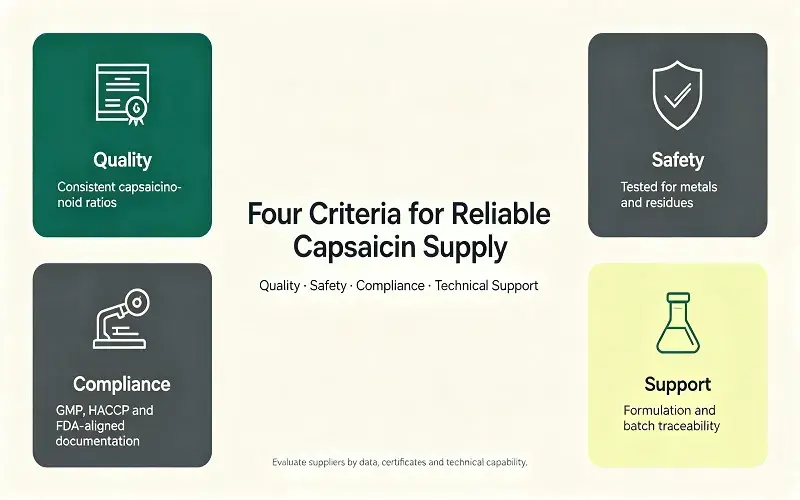
To get trusted sources of high-purity capsaicinoid material, you need to look at suppliers on a number of quality and safety criteria.
Supplier Certification and Transparency Standards
The best suppliers keep a lot of paperwork, like Certificates of Analysis (COA) that show exact HPLC data for each capsaicinoid. For each batch, we give a thorough summary that shows Capsaicin ≥55%, Dihydrocapsaicin ≥20%, and total capsaicinoids ≥97%. Along with makeup data, COAs should have results from heavy metal screens, microbiological tests, and leftover solvent analysis. Being clear about the extraction method is important. For example, supercritical CO2 extraction is safer and cleaner than hexane extraction methods. When suppliers agree to sign non-disclosure agreements (NDAs), they protect the secret formulas used by people who make transdermal patches and industrial coatings with custom capsaicinoid ratios.
Packaging Integrity and Regulatory Compliance
Using packaging that is filled with nitrogen stops oxidative breakdown while it is being shipped and stored. Our 1 kg foil bags keep the Natural Capsaicin Powder stable and make it easy to handle for pilot production runs. Our four specialized lines can produce more than 200 MT of 25 kg drums every year, which is great for bulk buyers. Labels should have the CAS number (2444-46-4), a list of hazards, first aid instructions, and information about how to store the product. Legal transportation is ensured by DOT compliance for shipping materials that are corrosive or irritating. By asking for samples before making big purchases, you can use your own scientific tools to check the quality. We send free samples within 4–8 days, so you can give them a good look before you place a large order.
Quality Testing and Supplier Validation
When you test arriving raw materials, you find quality problems before they affect your production. HPLC analysis checks the amount and ratio of capsaicin by matching what the supplier's COA says with tests done by a third party. Visual analysis shows staining that could be caused by rust or contamination. Mesh size analysis makes sure that the distribution of particles meets the needs of your formulation. Building ties with suppliers who understand your application—whether it's pain relief drugs, marine antifouling coatings, or formulations that keep animals away—gives you access to technical help while you're making your product. His research and development team works with formulators to create new delivery systems. They share their knowledge on how to improve dissolution and emulsification for this difficult lipophilic compound.
Conclusion
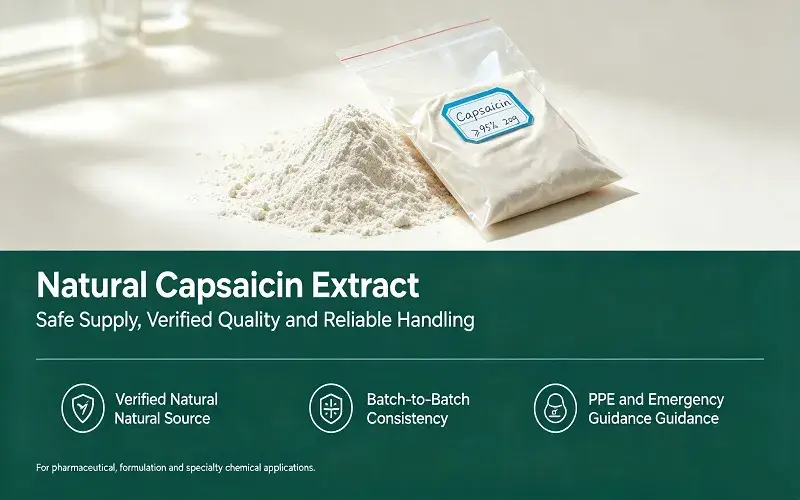
Handling high-purity Natural Capsaicin Powder extracts safely keeps people safe and keeps the quality of the product that drug companies, formulators, and buyers of specialty chemicals need. The risks that come with these strong bioactive compounds can be lessened by following strict PPE guidelines, keeping the environment safe, and having emergency plans ready. Knowing the differences between natural and artificial sources, whole pepper materials versus purified extracts, and certified versus commodity suppliers helps you make smart buying decisions. Partnering with well-known companies that offer clear quality documentation, legal compliance, and expert support is the best way to make sure that the supply chain works well for a wide range of demanding uses, from transdermal pain patches to eco-friendly antifouling coatings.
FAQ
1. What concentration of capsaicin requires enhanced safety protocols?
Materials with more than 10% total capsaicinoids need full PPE, such as chemical-resistant gloves, eye protection, and breathing protection. Our 97%+ pharmaceutical-grade Natural Capsaicin Powder is very concentrated and should be handled with the utmost care. Even short periods of exposure without protection can cause a lot of pain and make it impossible to do things for a while. When working with materials at this level of strength, factories must use technical controls like local exhaust ventilation and closed processing equipment to keep the workplace safe.
2. How should I decontaminate equipment after processing capsaicin powder?
Alcohol-based solutions (70% isopropanol or ethanol) can remove capsaicinoids from glass and stainless steel surfaces. Multiple rinse rounds make sure that everything is gone, and surface wipe testing is the last proof. Cross-contamination risks are lower in facilities that make more than one product line when they only use equipment that is used to process Natural Capsaicin Powder. Cleaning validation is easier with dedicated tools, containers, and handling areas that keep other goods from getting contaminated by accident.
3. Can natural capsaicin powder degrade during storage?
Oxidation is the main process that breaks down capsaicin, eventually lowering its total amount and changing the ratio of capsaicin to dihydrocapsaicin. Nitrogen-flushed packaging keeps oxygen out, so the Natural Capsaicin Powder stays stable for 24 months at the right storage temperatures (15–25°C, <60% RH). Light, heat, or water all speed up the breakdown process. When you store something the right way, you can keep it at pharmaceutical-grade quality that companies that make transdermal patches and industrial formulators need for reliable product performance.
Partner with Hisy for Certified Natural Capsaicin Powder Supply
Natural Capsaicin Powder from Shaanxi Hisy Biotechnology Co., Ltd. is pharmaceutical-grade and meets USP 46-NF41 standards. It has been confirmed to contain at least 97% total capsaicinoids. Since 2008, we've been making things for 18 years, so we can guarantee stability from batch to batch, which makes your quality control processes easier. With FDA registration, HACCP, and ISO certifications, we offer the documentation framework that makes regulatory submissions easier in markets around the world. Our flexible MOQ can be used for a wide range of purchasing needs, from big 25kg drums for large-scale production to small test batches for formula development. You can email our team at sales@hisybio.com to get full COA data, set up sample shipping, or talk about making custom capsaicinoid ratio changes for your purpose.
References
1. American Conference of Governmental Industrial Hygienists (2022). Threshold Limit Values for Chemical Substances and Physical Agents in the Workroom Environment. ACGIH Publications.
2. Reilly, C.A., Yost, G.S. (2006). "Metabolism of capsaicinoids by P450 enzymes: a review of recent findings on reaction mechanisms, bioactivation, and detoxification processes." Drug Metabolism Reviews, 38(4), 685-706.
3. United States Pharmacopeial Convention (2023). USP 46-NF 41: Capsaicin Monograph. United States Pharmacopeia.
4. Occupational Safety and Health Administration (2021). Chemical Sampling Information: Capsaicin. OSHA Technical Manual, Section II: Chapter 1.
5. European Chemicals Agency (2020). Guidance on Safe Use of Chemicals: Capsaicinoid Handling in Industrial Applications. ECHA Publications.
6. National Institute for Occupational Safety and Health (2019). Pocket Guide to Chemical Hazards: Capsaicin and Related Alkaloids. DHHS (NIOSH) Publication No. 2019-168.