

_1752718207094.png)

Which industries commonly use natural tomato lycopene?
Natural lycopene, a powerful carotenoid antioxidant, has become a cornerstone ingredient across diverse industries seeking to deliver health-driven, clean-label products. While traditionally associated with tomato-derived sources, modern fermentation technology has revolutionized lycopene production, offering superior consistency and purity. Lycopene Powder derived from fermentation processes addresses critical industry pain points, including seasonal supply volatility, pesticide contamination risks, and batch-to-batch potency variations that plague tomato-extracted alternatives. This standardized ingredient now powers formulations in nutraceuticals, functional beverages, cosmetics, pharmaceuticals, and animal nutrition—meeting stringent quality demands while supporting manufacturers' product development goals across North American and global markets.
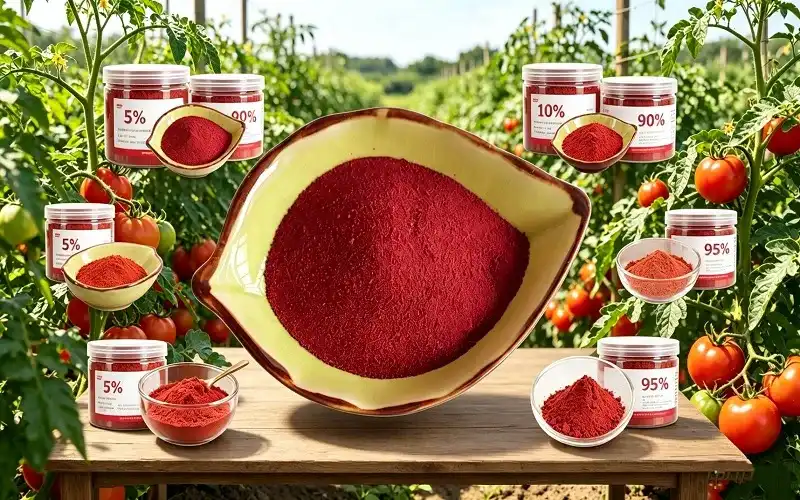
Overview of Lycopene and Its Key Properties
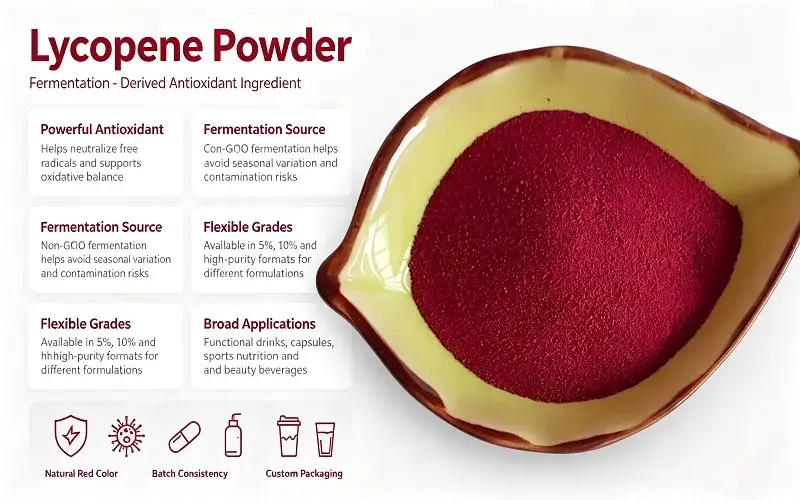
Lycopene is one of nature's most powerful vitamins. It is a carotenoid, which is what gives tomatoes, watermelons, and red peppers their bright red color. The compound's molecular structure has 11 conjugated double bonds, which give it superior free radical and singlet oxygen scavenging abilities compared to vitamin E and beta-carotene in lab tests.
Understanding Fermentation-Derived Lycopene Technology
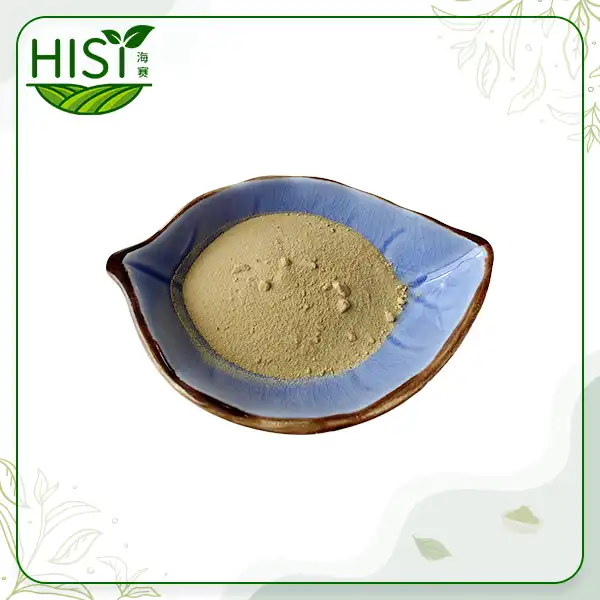
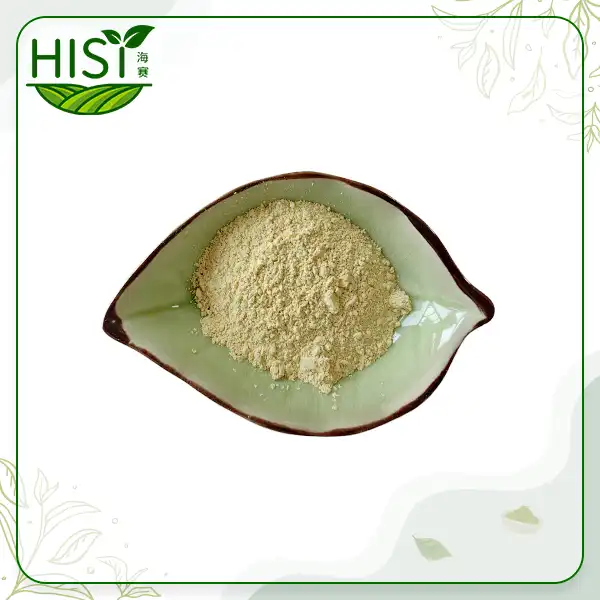
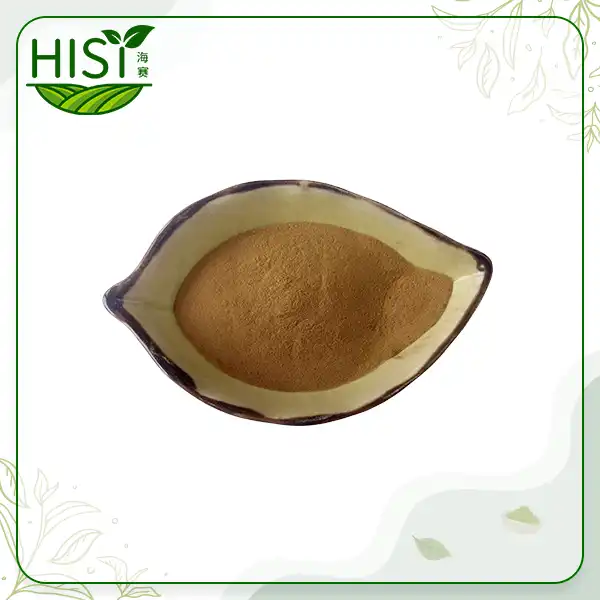
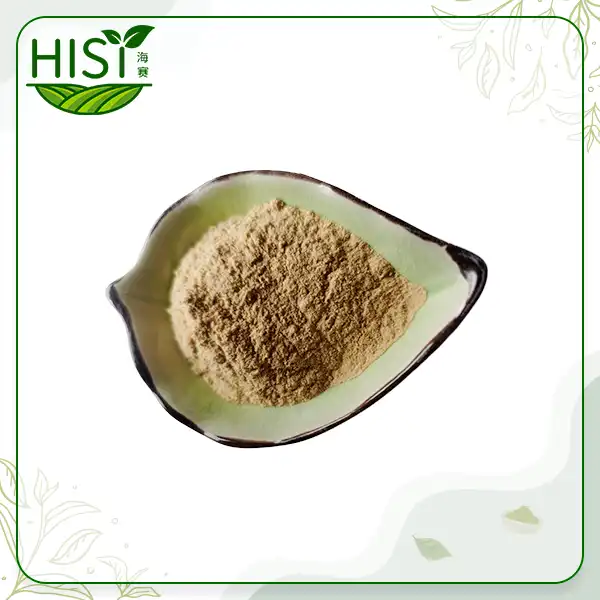
Traditional liquid extraction from tomatoes is no longer the only way that lycopene is made in industry today. Lycopene that is made through fermentation comes from non-GMO Blakeslea trispora fungal types that are grown in controlled settings. This makes a dark red powder with the CAS number 502-65-8. This biotechnology method gets rid of problems in traditional extraction methods caused by things like weather changes, contaminated dirt, and limited crop times during certain times of the year. The fermentation process ensures that all production batches have the same level of potency, which is very important for pharmaceutical-grade uses and supplement formulations that need to be very accurate with dosage.
Specification Options and Formulation Advantages
Commercial lycopene ingredients come in a number of different concentration grades, each designed to meet the needs of a specific application. Standard powder specifications include lycopene levels of 5%, 6%, 10%, and 98%. The higher levels are best for clinical-dose supplement formulations that support heart health and prostate health. Cold-water dispersible (CWS) formulations at 5% and 10% use microencapsulation technology to change the naturally lipophilic lycopene molecule into shapes that can dissolve in water. This new idea solves a big problem that beverage makers have: getting the color to spread evenly without the "ringing" or settling effects that happen with oil-based lycopene. The encapsulation also protects against oxidation, which means that the product will last for years instead of months if it is stored properly.
Industries That Commonly Use Natural Tomato Lycopene
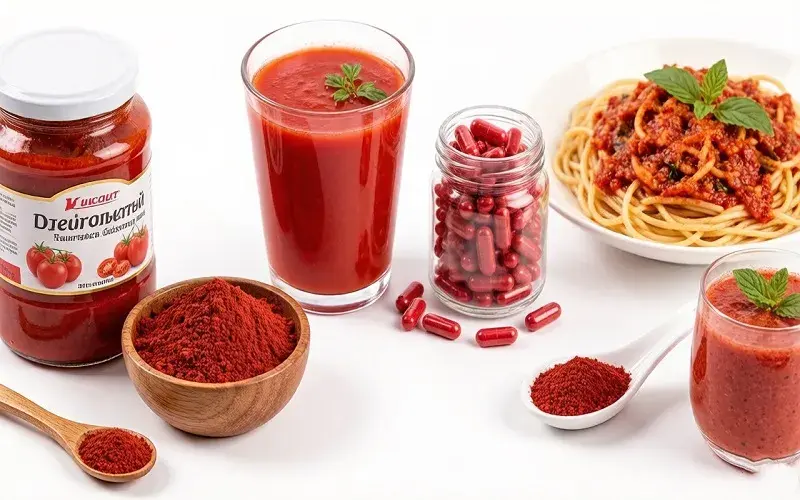
Lycopene is used in many different industries because it can be used as both a medicinal chemical and a natural colorant. According to market research, the global lycopene market reached high values. This was due to consumers' desire for wellness goods with strong scientific backing and "clean label" formulations.
Nutraceuticals and Dietary Supplements Sector
The biggest market for high-purity lycopene ingredients is the manufacturing of dietary supplements. For mature men, prostate health formulas are made especially for them, and studies have shown that lycopene helps keep prostate tissue healthy and lowers oxidative stress markers. Cardiovascular supplement makers combine lycopene with vitamin E, selenium, and omega-3 fatty acids to make antioxidant complexes that work together to help endothelial function and cholesterol profile control. Manufacturers choose 10% CWS grades for soft-gel capsules because they are more bioavailable than non-encapsulated forms. 98% concentrations are used for high-dose therapeutic formulas that need 15–30 mg of lycopene every day. The supplement industry cares about batch uniformity. Quality control rules say that a 10% specification must test within 10.2–10.8% of the real amount. Fermentation-derived sources consistently meet these high standards.
Functional Foods and Beverage Applications
As the "beauty from within" trend picks up speed in North America and Europe, the functional beverage market has embraced CWS lycopene formulations. Lycopene is added to recovery drinks by sports nutrition companies because it can reduce inflammation and the damage that exercise can do to cells. The ability to dissolve in cold water is very important for ready-to-drink forms because it lets makers get bright colors without using heat, which would break down the active compound. Beverage formulators usually add 10 to 50 mg of lycopene to each dose, weighing claims of effectiveness against costs. Dairy alternatives, functional waters, and meal replacement shakes have all added more lycopene because consumer research has shown that eating carotenoids can protect your skin from the sun and help your immune system.
Cosmetic and Personal Care Industry
Companies that make beauty products have found that Standardized lycopene supplement powder can be used as both an antioxidant and a natural color in anti-aging skin care products. Because it can neutralize reactive oxygen species, the compound is useful in sunblock, day creams, and serums that target photoaging issues. Cosmetic chemists usually work with amounts of 0.01-0.1% in finished goods, so suppliers have to show stability data that shows lycopene stays in the product even when it ages faster. The purity that comes from fermentation is very important here—biotech-produced material doesn't have any residual solvents or pesticide traces that aren't allowed for topical use. Lycopene is also used in hair care products to protect dyed hair and keep the head healthy. This means that the ingredient can be used for more than just facial skin care.
Pharmaceutical and Animal Nutrition Markets
Pharmaceutical firms are looking into lycopene for uses in medicine that go beyond general health. For example, they are interested in its possible role in photosensitivity diseases and as an extra treatment in oncology settings. For these uses, the material must be 98% pharmaceutical-grade and come with full traceability documentation and stability study data that meet ICH guidelines. Lycopene is added to chicken and fish feeds by the animal nutrition industry. It improves the color of egg yolks and fish meat while also acting as an antioxidant to help the immune system work better and handle stress better. Feed-grade standards are different from human nutrition standards, but the fermentation source is still better because the quality is always the same and there are no risks of mycotoxin contamination that come with agricultural raw materials.
Quality and Sourcing Considerations in Lycopene Powder Procurement
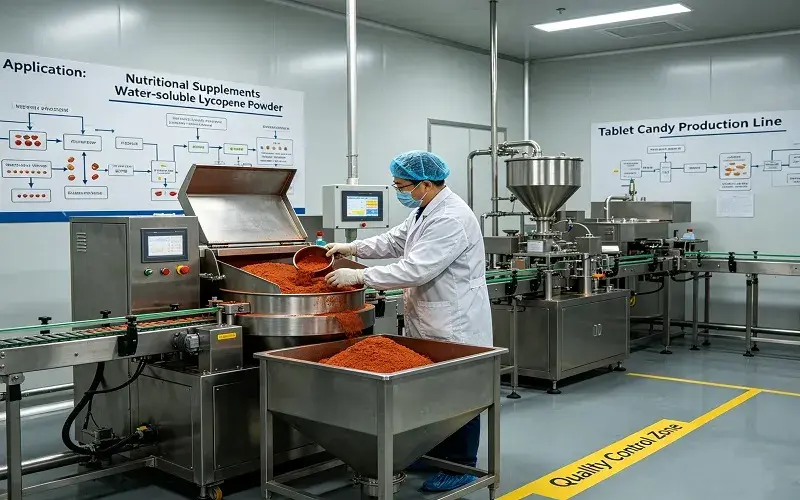
When sourcing lycopene, procurement professionals have to think about a lot of things, such as the purity requirements, the reliability of the supply chain, regulatory compliance, and the total cost of ownership. Choosing between fermentation-derived sources and tomato-extracted sources has a big effect on the quality of the result and the accuracy of the manufacturing process.
Source Comparison and Purity Standards
The amount of lycopene extracted from tomatoes depends on the type of tomato used, the growing conditions, and the time of harvest. After the first processing, the concentrations are usually between 5 and 15 percent. Alternatives that come from fermentation are more consistent because microorganisms are grown in bioreactors that are controlled and have standard environmental and nutrient conditions. ICP-MS testing for heavy metals shows that fermentation sources always stay below strict standards for lead, arsenic, cadmium, and mercury. These are contaminants that are sometimes found in agricultural sources based on the quality of the land. For materials that have been extracted, hexane or acetone residue must meet ICH Q3C standards, so residual solvent analysis is very important. This problem is completely solved by fermentation techniques, which use water-based extraction methods that keep organic solvents from getting into the food.
Supplier Evaluation and Certification Requirements
Reliable lycopene sources have complete quality management systems that are backed up by ISO 9001 certification. Food-grade facilities also have HACCP and GMP certifications. In the US market for dietary supplements, DSHEA compliance is a must. This means that suppliers must provide certificates of analysis that show microbial limits (total plate count, yeast and mold, and pathogen absence), particle size distribution for uniform Standardized lycopene supplement powder, and stability data that predict shelf life under certain storage conditions. The HALAL and KOSHER licenses make it easier for more goods to reach customers. This is especially important for products that are sold in the Middle East and are aimed at religious consumers. Different suppliers have different minimum order amounts. Standard industrial orders start at 25 kg drums, but private-label custom formulations usually need 500 kg minimums to make sense for the production line setup and packaging customization.
OEM and Private Label Capabilities
For companies that want to make their products stand out, they need suppliers who can do more than just provide basic ingredients for recipe development. This includes knowing how to combine lycopene with other nutrients that work well together, like vitamin E, selenium, or omega-3 fatty acids, while also dealing with stability issues like color loss and lipid oxidation. Custom concentration development lets brands make their own specs that rivals can't match, like a 12% CWS grade that works best with a certain pH range of drinks. Executing an NDA protects the intellectual property of the recipe, which is very important when sharing information about product development with ingredient sources. Temperature-controlled shipping is necessary to keep lycopene stable during transport, especially for high-potency 98% amounts that are easily broken down by oxygen. Suppliers with standard delivery times of 4–8 days and custom formulation lead times of 15–20 days can respond quickly to the needs of competitive markets.
Practical Applications and Case Examples of Lycopene Powder Use
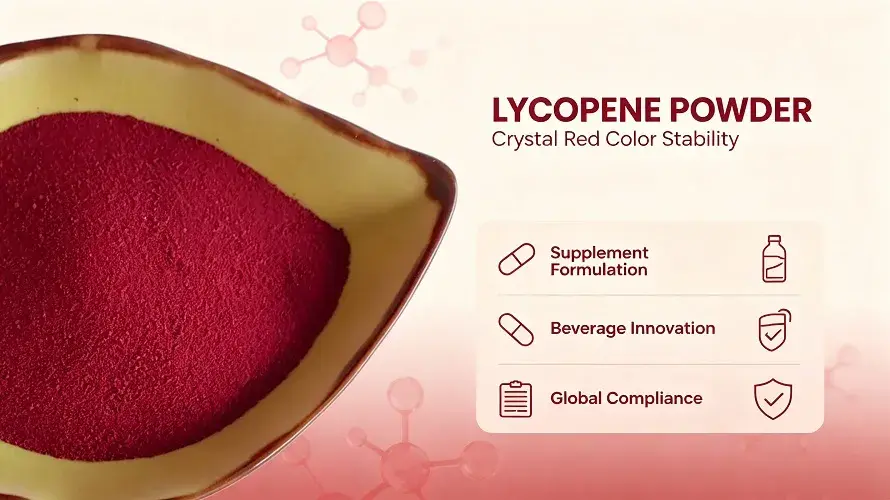
Using lycopene in the real world shows how its functions can be turned into product benefits that can be sold in a variety of industries. Knowing about these uses helps buying teams match the performance needs of the end product with the specs of the ingredients.
Supplement Formulation Best Practices
A company that makes supplements for men's health changed the way its prostate support product works by changing tomato oleoresin with 10% lycopene made from CWS fermentation. The change got rid of the complaints about the product's rancid smell and made the color consistent between batches, which had made customers confused about how fresh the product was. When tested for stability at 40°C and 75% relative humidity, the new formulation kept 94% of its lycopene content after 24 months, while the old source only kept 67%. Bioavailability studies with the reformulated product showed 31% higher plasma lycopene levels than with the original version. This backs up claims on the label that the new product is better at absorption. The factory now only accepts materials that come from fermentation because they value the stable supply that allows year-round production without the price changes that happen with farming sources every three months.
Beverage Innovation and Color Stability
Using CWS 10% microcapsules, a functional beverage startup made a skin health drink with 20 mg of lycopene per bottle. The hardest part of the formulation was making sure that the colors were spread out evenly and that no sediment formed during the 18-month shelf life that was planned. Standard lycopene that wasn't enclosed separated within weeks, which meant it had to be homogenized very quickly, which raised production costs and made foam that wasn't wanted. The CWS format spread out fully in cold water at the filling temperature, and the suspension stayed stable as it spread. Studies that sped up the aging process showed that the color would fade by less than 8% after 12 months at room temperature, which met the brand's quality standards. The product did well when it came out in the competitive beauty-from-within category. The bright red color helped with premium placement by giving a clear sign of quality.
Regulatory Compliance Considerations
To get into the North American market, lycopene goods must follow the rules set by the FDA for dietary supplements under DSHEA. This includes having the right amount of servings and warnings on the labels. When the production strain has that certification, the fermentation-derived source must include the right non-GMO statements. This meets consumer preferences and avoids the need for mandatory GMO labeling. In Europe, there are different ways that lycopene can be distributed. Lycopene from Blakeslea trispora that is fermented has Novel Food approved status under certain conditions, while lycopene from tomatoes follows the rules for traditional food ingredients. When a brand goes global, it helps if its suppliers keep all the necessary paperwork together. This includes certificates of origin, health certificates for customs clearance, and allergen absence declarations. When fermentation sources are well-known, the paperwork is a lot easier compared to farming materials that need to be tested for pesticide residues in each batch, and country-of-origin variability control is needed.
Selecting the Right Lycopene Powder for Your Application
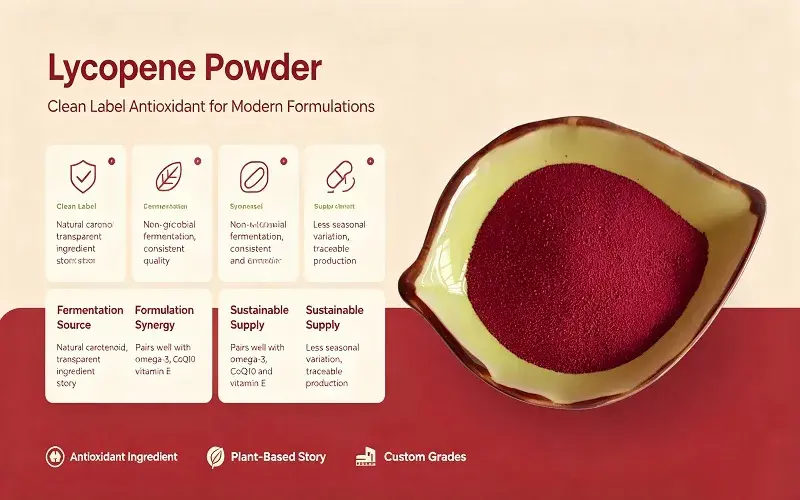
To match the needs of an item to those of a product, you have to look at more than just concentration amounts. Finding the best option that balances effectiveness, formulation compatibility, regulatory positioning, and business viability is important.
Specification Selection Strategy
For products to make clinical efficacy claims, they need to have high-purity concentrations that deliver 15–30 mg of lycopene per serving. This is usually done with 98% or 10% specifications, depending on the dosage form. For beverage uses, it's best to have CWS recipes that can be mixed without special tools. On the other hand, cosmetic uses need materials that have been shown to be stable in emulsion systems at the amounts used. The dark red powder look is used for quality control; the strength of the color shows how much lycopene is present and how it is breaking down. The way powder flows during encapsulation or tableting is affected by the distribution of particle sizes. For most solid dosage applications, 80-mesh specifications are standard. Formulators can try for compatibility before ordering large amounts, looking at things like how the substance dissolves, what color it adds, and how stable it is in conditions that are specific to the recipe.
Pricing Dynamics and MOQ Negotiation
The price of lycopene depends on how concentrated it is. For example, 98% pharmaceutical-grade material costs a lot more than 5% food-grade material. Fermentation-based sources usually cost more per kilogram than tomato-based options, but they are more consistent, last longer, and don't change in price with the seasons. When you buy in bulk (at least 25 kg), the unit economics are better than when you buy smaller amounts. However, serious buyers should discuss yearly supply agreements that guarantee price stability across multiple shipments. When private-label customers agree to 500 kg minimum runs, they can get access to custom formulation services and unique specs that aren't offered in standard catalogs. Direct relationships with manufacturers get rid of the middlemen that distributors use to make money. This makes prices more competitive and makes sure that formulators can get technical help when they run into problems.
Conclusion
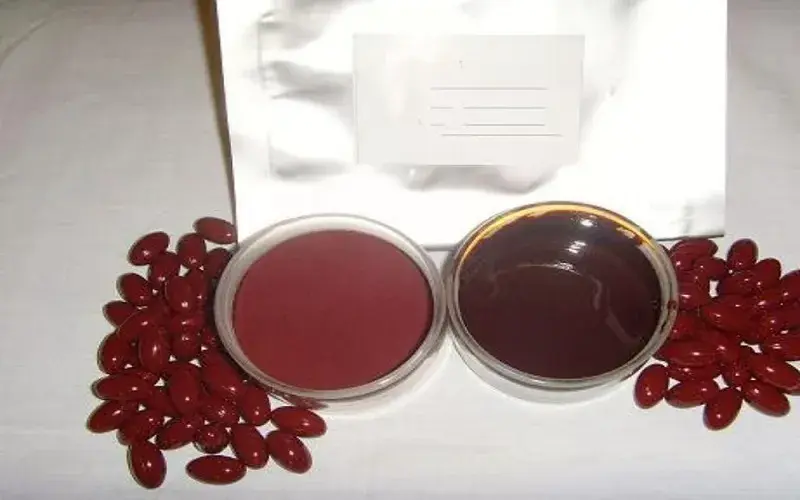
Lycopene Powder's versatility as both a potent antioxidant and natural pigment has established its presence across nutraceuticals, functional beverages, cosmetics, pharmaceuticals, and animal nutrition industries. The evolution toward fermentation-derived sources addresses fundamental quality challenges inherent to agricultural extraction, delivering the consistency, purity, and supply reliability modern manufacturers require. Procurement professionals evaluating lycopene ingredients should prioritize suppliers demonstrating comprehensive quality systems, regulatory compliance documentation, and technical support capabilities extending beyond commodity sales. The specification diversity—from 5% food-grade to 98% pharmaceutical standards, including innovative CWS cold-water dispersible formats—enables precise matching of ingredient characteristics to application requirements. As consumer demand for evidence-based wellness products intensifies, lycopene's clinical research foundation and clean-label positioning ensure continued growth across health-focused product categories.
FAQ
1. What distinguishes fermentation-derived lycopene from tomato-extracted sources?
Non-GMO Blakeslea trispora fungal cultures are grown in controlled bioreactors to make fermentation-derived lycopene. This method gives stable potency no matter what changes happen in agriculture, like weather, soil quality, or harvest time. Material taken from tomatoes changes a lot from batch to batch depending on the type of tomato, where it was grown, and the time of year. Fermentation gets rid of the risks of pesticide residues and heavy metal contamination that can be found in agricultural sources. It also gets rid of the solvents that are left over from the extraction process. The biotech method provides better consistency from batch to batch, which is important for pharmaceutical uses and supplement formulations that need to be very accurate with dosage.
2. How does CWS cold-water dispersible technology improve beverage formulations?
When added to water-based drinks, standard lycopene forms oily droplets or sediment because it attracts fat. The CWS microencapsulation covers lycopene molecules with hydrophilic carriers, which lets them mix completely in cold water without the need for special tools. This technology stops the splitting and "ringing" effects that make a product look bad. It also makes it more bioavailable by making it dissolve better. Manufacturers of drinks can keep the color the same over the shelf life without having to use complicated and expensive emulsification methods.
3. What certifications should buyers prioritize when sourcing lycopene ingredients?
The ISO 9001 quality management certification shows that quality is controlled in a planned way, and the HACCP and GMP certifications show that processing methods are safe for food. The US market for dietary supplements needs materials that are in line with DSHEA. Certifications like HALAL and KOSHER make it easier to get goods into new markets, especially in the Middle East. FDA registration shows that the supplier stays up to date on U.S. regulations and has a system in place to make sure they are followed. For fermentation sources that want to sell to European markets or use clean labeling, non-GMO claims become necessary. Ask for records of analysis that show heavy metal screening, microbial limits, and stable data that back up the shelf life claim.
Partner with Hisy for Premium Fermentation-Derived Lycopene Powder Solutions
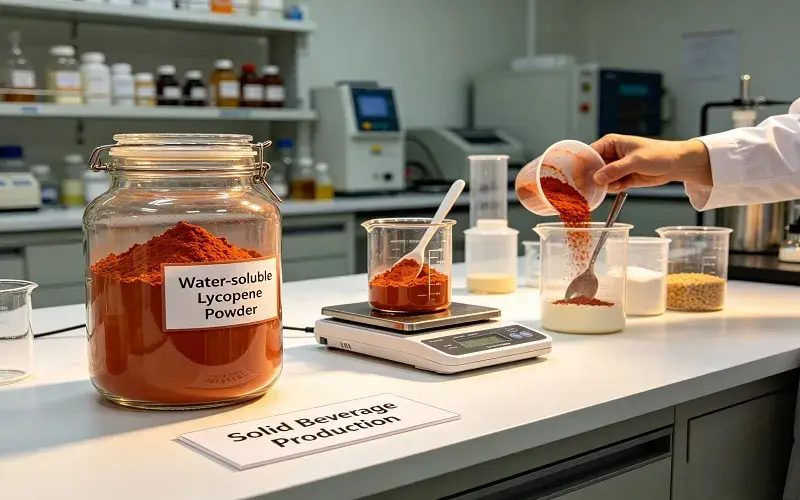
Shaanxi Hisy Biotechnology has been working with botanical extracts for 18 years and uses cutting-edge fermentation technology to make pharmaceutical-grade lycopene ingredients that solve real problems in the manufacturing process. Our 150-square-meter production plant has four specialized lines that make more than 200 metric tons of goods every year. This ensures a steady supply that gets rid of the stock-out risks that smaller suppliers face. The range of specifications—5%, 6%, 10%, and 98% concentrations, as well as CWS 5% and 10% cold-water dispersible formats—gives you the freedom you need to build your product without having to deal with multiple vendors. Each batch goes through strict HPLC testing to make sure it's effective within very small ranges, ICP-MS heavy metal screening, and microbe testing that meets USP standards. FDA registration, HACCP, ISO, HALAL, and KOSHER certifications help you get into markets around the world, and full documentation packages make it easier to clear customs in North America, Europe, and Asia. As long as your proprietary formulations are protected by an NDA, our research and development team works together on co-formulation projects, stability optimization, and dosage form development. Standard orders are shipped within 4 to 8 days from our readily available stock, but orders that are made to order take 15 to 20 days for production and quality control. We offer free samples for you to try, which lowers the risk of buying before you make a business promise. Hisy is the technical partner your idea deserves, whether you're a Lycopene Powder manufacturer looking for a trusted co-packer or a brand needing turnkey private-label solutions. You can talk to our ingredient experts at sales@hisybio.com about your specific needs and get detailed technical data sheets that show how fermentation-derived lycopene is better than traditional sources in a number of important quality areas.
References
1. Rao, A.V., and Rao, L.G. "Carotenoids and Human Health." Pharmacological Research, 2007, vol. 55, no. 3, pp. 207-216.
2. Story, E.N., et al. "An Update on the Health Effects of Tomato Lycopene." Annual Review of Food Science and Technology, 2010, vol. 1, pp. 189-210.
3. Erdman, J.W., et al. "The Physiological Chemistry of Carotenoids in Humans." Clinics in Dermatology, 2009, vol. 27, no. 2, pp. 203-213.
4. Giovannucci, E., et al. "Intake of Carotenoids and Retinol in Relation to Risk of Prostate Cancer." Journal of the National Cancer Institute, 1995, vol. 87, no. 23, pp. 1767-1776.
5. Cooperstone, J.L., and Schwartz, S.J. "Recent Insights into Health Benefits of Carotenoids." Handbook on Natural Pigments in Food and Beverages, Woodhead Publishing, 2016, pp. 473-497.
6. Grabowska, M., et al. "Fermentation-Derived Lycopene: Biotechnological Production and Industrial Applications." Applied Microbiology and Biotechnology, 2019, vol. 103, no. 11, pp. 4289-4301.