

_1752718207094.png)

Why Choose Organic Barley Seedling Powder for Supplements?
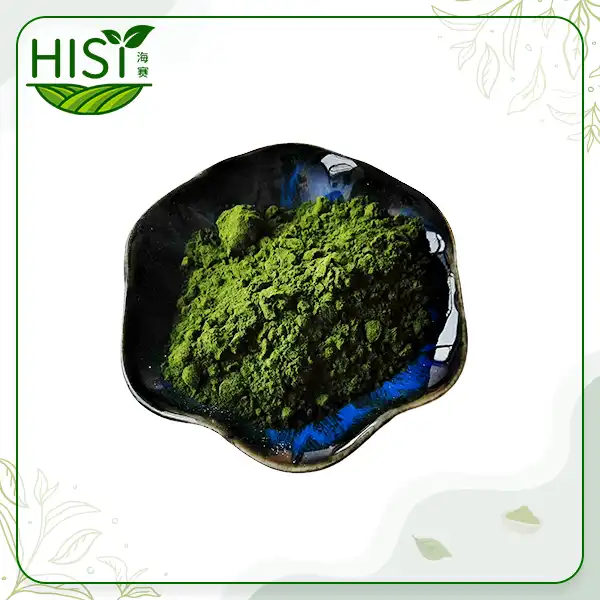
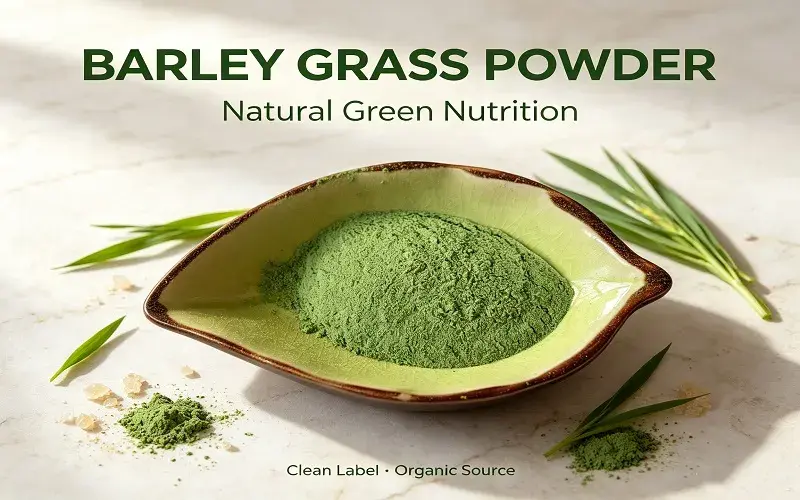
When making supplements, using organic Barley Seedling Powder has clear benefits for how well the products work, how safe they are for customers, and how they place themselves in the market. This nutrient-dense ingredient comes from young Hordeum vulgare plants and is more bioavailable than synthetic alternatives. It also meets the strict organic certification standards that B2B buyers want. Organic barley grass powder is full of health benefits, like chlorophyll, antioxidants, and minerals that make the body more alkaline. It can help with detoxification and metabolic health, and is an important ingredient for nutraceutical brands that want to use clean labels that appeal to health-conscious customers and meet international quality standards.
Understanding Organic Barley Seedling Powder and Its Benefits
What Makes Barley Seedling Powder Unique
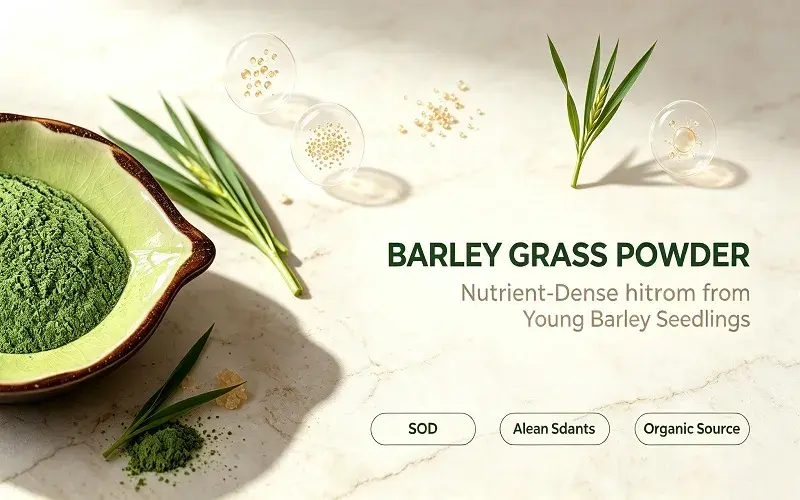
Organic Barley Seedling Powder is a concentrated food source that comes from Hordeum vulgare plants that have been harvested at the jointing stage, when the enzyme activity and phytonutrient density are at their highest. Large differences exist between seedling powder and mature barley grain. Young seedlings have much higher amounts of chlorophyll, superoxide dismutase (SOD), and soluble vitamins than their grain peers. This harvest time has a direct effect on how well the ingredient works in supplement formulations, especially for products that aim to support antioxidants and keep the pH level in check.
Nutritional Profile and Health Applications
Some of the nutrients that are in good organic barley grass powder are vitamins A, C, K, and B-complex, as well as minerals like iron, calcium, and magnesium. Clinical studies have shown that it can help the liver's detoxification processes, mostly by the chlorophyll content and saponin compounds that make getting rid of metabolic waste easier. Studies show that regular use may help keep blood sugar levels stable and cholesterol levels healthy, which makes it useful for metabolic wellness formulations. The alkaline-forming property of this ingredient balances out acidic foods, which is a common issue in modern nutrition where processed foods are the main food groups people eat.
Organic Certification Advantages
If you choose approved organic sources, you can be sure that they don't contain any pesticides, synthetic fertilisers, or GMOs, all of which can affect the quality of the ingredients and how customers see them. Organic certification requires proof of tracking from the fields where the plants are grown to where they are packaged. This gives B2B buyers peace of mind that the brand is following the rules and building its reputation. Barley Seedling Powder: The certification process itself verifies farming methods that improve soil health and biodiversity, which is in line with business green efforts that are becoming more important to customers further down the line. Aside from the marketing benefits, organic certification is linked to higher levels of antioxidant retention and enzymatic stability, which means that supplements work better.
Criteria for Selecting High-Quality Organic Barley Seedling Powder Suppliers
Essential Certifications and Compliance Standards
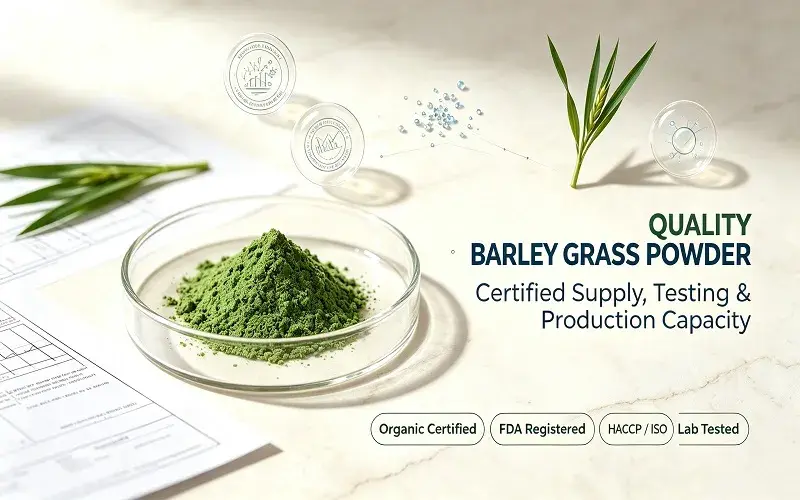
Reliable sellers keep several organic certificates, such as USDA Organic, EU Organic, and regional standards that are similar, and check the purity of the ingredients and production methods. In addition to being organic, manufacturers should be registered with the FDA, have HACCP certification, and be certified in ISO quality management. These credentials show that they have a system for controlling quality. Not only are these certificates pieces of paper, but they also show that methods for preventing contamination, batch recording, and corrective action procedures have been checked and found to be working. When looking at possible partners, it's better to ask for current certifications and audit reports that show ongoing compliance than credentials that have passed. Kosher and Halal certifications help supplement brands reach more customers in certain groups, and GMP (Good Manufacturing Practice) compliance makes sure that production areas are safe for pharmaceuticals. Our 150 m² production facility at Shaanxi Hisy Biotechnology has FDA, HACCP, and ISO certifications. It has four dedicated processing lines that handle over 200 metric tonnes of products every year. Our certifications are regularly checked by a third party, who checks everything from the arrival of raw materials to the release of the end product. This gives our buying partners written proof of quality assurance.
Production Capacity and Supply Reliability
By checking a supplier's production capacity, you can avoid supply problems that can delay product launches and make customers unhappy. Manufacturers should be clear about their yearly output volumes, normal order wait times, and their ability to grow with partnerships. Young barley seeds are processed at our plant using controlled freeze-drying and vacuum drying methods that keep heat-sensitive nutrients and meet the 99% standard. We can deliver orders within 4 to 8 days because we have established production schedules and relationships with raw material suppliers. We can handle both small orders (starting at 1 kg) and large purchases (25 kg drums). Supply chain transparency is just as important. Knowing where your suppliers get their raw barley, how they deal with seasonal changes, and how they manage their inventory shows how mature your business is. Responsible manufacturers keep extra supplies of important products on hand, work with different farmers, and test the quality of their products at many stages of production. This level of operational depth is especially important for international buyers who have to coordinate shipping schedules that last months and the processes for getting regulatory approval.
Technical Specifications and Testing Protocols
A good organic barley grass powder should have certain technical specs, like particles that are 80 mesh for better dispersion, a bright grass-green colour that shows chlorophyll is still there, and a standard moisture content that stops microbes from growing while it's being stored. For each production batch, suppliers should give thorough certificates of analysis (COA) that show heavy metal screening using ICP-MS technology, pesticide residue tests for more than 500 chemicals using GC-MS/MS analysis, and an AOAC-approved microbial examination. We use thorough testing methods that go above and beyond what the industry needs. For example, we look for lead, cadmium, mercury, and arsenic at detection limits measured in parts per billion. Our pesticide residue study focuses on substances like organophosphates and neonicotinoids that are important for growing barley. This makes sure that the results always fall below the EU's legal limits. This thorough testing method gives B2B buyers the proof they need to submit to regulators in a number of different markets, ranging from FDA GRAS notifications to Health Canada NPN applications.
Comparing Organic Barley Seedling Powder with Other Green Supplements
Barley Seedling Powder vs. Wheatgrass
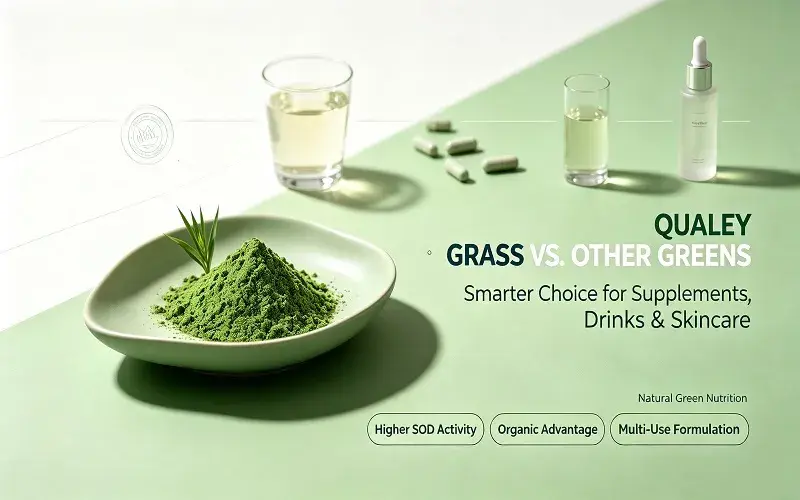
Both Barley Seedling Powder and grass are high in chlorophyll and good for you, but Barley Seedling Powder is better in some situations. Barley plants have a lot more SOD enzyme activity than wheatgrass, which makes them better antioxidants for formulas that target oxidative stress. The flavours are very different. Barley has a softer, less strongly "grassy" taste that makes ready-to-mix drinks and meal replacements taste better. Because of this sensory advantage, formulation decisions can be affected for products that are meant for general consumers rather than health-conscious individuals.
Organic vs. Non-Organic Quality Considerations
Comparing nutrient densities shows that barley seeds have higher amounts of vitamin K and calcium, which makes them perfect for bone health supplements and goods aimed at older people. Wheatgrass usually has more vitamin A, which makes it a better choice for products that help with eye health or skin health. Formulators can choose ingredients more carefully based on health claims and target groups when they know about these differences in nutrition, instead of treating all green powders the same. There is a difference in quality between organic and conventional barley grass powder that can be seen in more than just the labels. Higher polyphenol amounts and increased enzymatic activity are common outcomes of organic farming. This is because plants develop stress response mechanisms without manufactured drug interference. Researchers who compare organic and standard food regularly find that organic samples have higher amounts of antioxidants. This is also true for young barley seedlings that are harvested for supplement production.
Application Suitability Across Product Categories
When it comes to buying things, using organic sources lowers the risks in the supply chain that pesticides will be found during quality checks by customers. Non-organic ingredients might pass the first tests, but they might be rejected during more complex analysis steps. This could cause delays that cost a lot of money and hurt customer relationships. The higher price for organic certification—usually 15–25% more than regular prices—protects against these kinds of problems and supports marketing stories about purity and caring for the environment that consumers find appealing. There are three main situations where Organic Barley Seedling Powder works really well. In nutraceutical products like pills, tablets, and powder mixes, it is an important "total food" ingredient that provides overall nutrition instead of just a few specific substances. The fine particle size of 80 mesh makes it possible to make tablets with good compression and even distribution in powder mixes, so there are no problems with settling or separation during storage. Functional beverage applications benefit from the ingredient's natural colour stability and ability to mix well with other ingredients when freeze-drying or vacuum drying is done correctly. Some plant powders quickly lose their vibrant green colour when they get wet, but good barley grass powder keeps its colour in water, which makes ready-to-drink drinks and smoothie mixes look better. The ingredient can survive high-pressure processing (HPP), which is often used to keep cold-pressed juice fresh, retaining nutritional integrity through manufacturing procedures that degrade lesser-quality alternatives. Cosmeceutical applications leverage the anti-inflammatory properties and antioxidant capacity of barley seeds in topical formulations including facial masks, serums, and cleansing products. The small particles make it easier to mix with complex emulsions, while the chlorophyll gives green beauty products their natural colour. Formulators who use this ingredient in skin care products say it works well to neutralise external stresses and support the skin's barrier function, especially in products for people in cities who are worried about pollution.
Best Practices for Using Organic Barley Seedling Powder in Supplements
Dosage Guidelines and Formulation Considerations
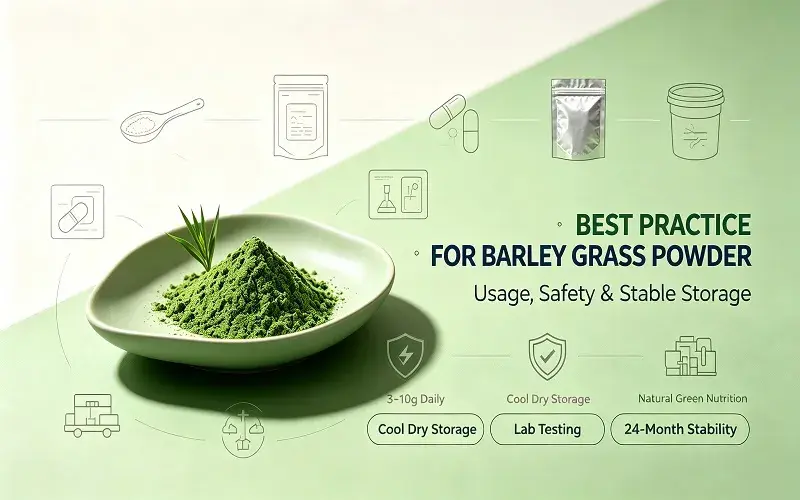
According to scientific research and traditional use, daily doses of 3 to 10 grams are useful for nutritional support. Higher amounts are used in detoxification programs under the supervision of a professional. When making capsule products, standard 500mg or 750mg capsule sizes mean that people have to take more than one every day. This affects how the products are packaged and how much they cost per serving. Manufacturers recommend mixing one to two teaspoons (about 3 to 6 grams) into drinks or foods because powder forms give you more dosing options. Formulators should consider the ingredient's naturally alkaline pH when combining it with acidic components or pH-sensitive actives. The amount of chlorophyll may react with some minerals, which could change how bioavailable complex formulas with many ingredients are. When mixing organic barley grass powder with probiotics, enzymes, or other products that are sensitive to changes in pH, we suggest doing stability tests first. As part of proper formulation development, moisture barrier packaging needs to be thought about because plant powders are hygroscopic, which means that they can change how they flow and clump if they are exposed to humidity while being stored or handled.
Safety Considerations and Regulatory Compliance
Organic Barley Seedling Powder has a great safety profile, with few side effects being mentioned in clinical research. Some people may experience mild stomach issues when they first start eating it because their bodies are getting used to the extra fibre and chlorophyll. This usually goes away on its own within a few days. People who are allergic to grass should be careful, but barley grass that is picked before the grain develops has less gluten protein than mature barley grain. Companies that sell to people who are sensitive to gluten should test their products for gluten and make sure that the test results are easy to understand on the labels and in technical documents.
Storage and Handling Best Practices
Different places have different rules about how to classify the item. Usually, it is seen as a part of food or a healthy supplement, so it doesn't need to be approved as a new food. To be used in the United States, it must follow good manufacturing practices and be GRAS (Generally Recognised As Safe). Depending on what the product says and how it's packaged, European markets may need special country registrations. Keeping up with changes in laws across target markets can save you a lot of money on costly reformulation or delays in getting into new markets. To keep the nutritional value of organic barley grass powder, storage conditions must be carefully monitored all along the supply chain. To keep the ingredient from absorbing water and breaking down enzymes, it should be kept in cool, dry places that are below 25°C and have a relative humidity of less than 60%. Because light speeds up the breakdown of chlorophyll, opaque packaging materials are needed to keep the distinguishing green colour that people associate with freshness. For smaller orders, we put our Barley Seedling Powder in pharmaceutical-grade foil bags with heat-sealed closures. For larger orders, we use double plastic bag liners inside fibre drums to protect the powder during international shipping. This way of wrapping keeps the product stable for 24 months if it is kept correctly, supported by accelerated aging studies confirming minimal nutrient degradation under controlled conditions. For companies that deal with large ingredients, we suggest setting up a first-in, first-out inventory rotation system and monitoring storage area conditions with temperature and humidity logging to ensure optimal ingredient performance throughout shelf life.
How to Procure Organic Barley Seedling Powder for Your Supplement Business
Sourcing Channels and Supplier Evaluation
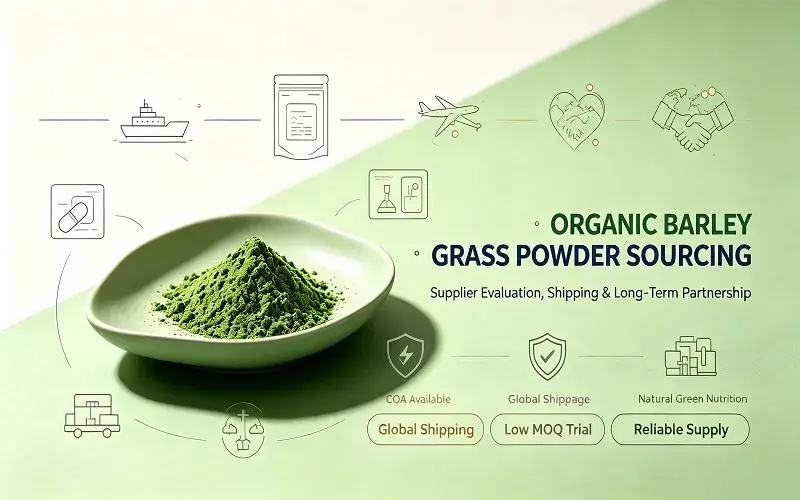
There are several ways for procurement professionals to get organic Barley Seedling Powder, and each has its own benefits. Direct relationships with manufacturers offer the best prices, customisation options, and technical support, but they also require more research and may have higher minimum order quantities. Trading companies and ingredient wholesalers give centralised buying and local storage, but they add layers of margin that change the end cost structures. Online B2B platforms make it easier to find suppliers and compare prices, but it is still the buyer's job to make sure that suppliers have the right credentials and skills. Before committing to a production order, ask for samples from possible suppliers to try internally. Samples of good quality should come with up-to-date COA paperwork that shows test results for the specific batch being sent. When talking to suppliers, find out how technical they are by asking them specific questions about when to harvest, how to dry the crops, and how to check the quality. Reputable makers answer with confidence and specific details instead of broad statements, demonstrating operational expertise that translates to consistent product quality. Shaanxi Hisy Biotechnology has served international clients since 2008, developing deep expertise in botanical extraction and powder processing that preserves enzymatic activity and nutrient density. Our technical team answers all questions within 24 hours and gives full answers to questions about formulation and the necessary regulatory paperwork. Trial orders start at 1 kg, and qualified projects can get free samples. This lets you do a full review before moving up to production amounts. This adaptable method helps companies at all stages of growth, from new brands testing their first recipes to well-known companies adding new products to their lines.
International Shipping and Regulatory Considerations
To buy things internationally successfully, you need to know about the rules for customs, the paperwork needed for imports, and the logistics of shipping, all of which affect the time it takes and the total cost. Authorities in the target country must recognise organic certification. For example, USDA organic licenses make it easier to bring goods into the US, and EU organic certification makes it easier to get goods into Europe. Some places need extra licenses or health certificates, which is something our export team does all the time for markets like Australia, Japan, Southeast Asia, and Canada. Cost, transit time, and temperature control needs are all taken into account by shipping methods. Air freight delivers in 5 to 7 days, but it costs a lot, so it's only good for urgent orders or shipments of high value. Sea freight takes 3–4 weeks to deliver to destinations on the US East Coast and up to 6 weeks to deliver to destinations on the US West Coast. However, for container-load quantities, the cost per kilogram is much lower. We work with experienced goods forwarders who take care of paperwork, customs brokerage, and final delivery. This makes the process of importing easier for people from other countries.
Building Long-Term Supply Partnerships
The best procurement relationships go beyond simple transactions and turn into long-term partnerships where both parties are committed to growth and success. Long-term contracts with reliable providers offer stable prices, priority ordering for production during times of high demand, and help with working together to create new products. Customers who want their suppliers to succeed tell them about any problems that might arise with the supply, offer advice on how to make the formula better based on their technical knowledge, and make sure that the quality stays high by using strict process controls. We see our relationships with customers as partnerships, and your success affects ours in a direct way. Our dedication to quality goes beyond the specs of the products we sell. It also includes quick responses to messages, clear pricing, and dependable delivery. Many customers who started with small test orders now buy regularly because they trust the steady quality of the products and the reliable service. This operational consistency helps you plan better because you can count on stable prices, predictable lead times, and technical support when formulation questions come up.
Conclusion
Selecting organic Barley Seedling Powder for supplement formulations is a business choice that affects how well the product works, how well it meets legal requirements, and how it is positioned in the market. This ingredient's high nutritional value, clean label appeal, and wide range of uses help meet multiple procurement goals at the same time, meeting consumer demand for natural products and giving manufacturers the technical performance they need. Successful sourcing depends on thorough supplier evaluation, focusing on certification verification, production abilities, and testing rigor that ensures consistent quality across shipments. Comparing Barley Seedling Powder to other green supplements highlights its unique advantages in antioxidant capacity, flavor profile, and nutritional composition. By knowing these differences, you can make smart decisions about how to formulate a product so that it works best for its intended health use and target audience. Using the right methods for handling, storage, and formulation practices, organic barley grass powder becomes a cornerstone ingredient supporting diverse product categories from nutraceuticals to functional beverages and cosmeceuticals, delivering measurable value throughout the supply chain.
FAQ
What distinguishes barley seedling powder from barley grass powder?
The terms are often used equally, but officially, Barley Seedling Powder is made from plants that were picked at the 20–30 cm height jointing stage, which is when the nutrients are at their highest concentration. Barley Grass Powder, on the other hand, may include plants that are a little more mature. Both come from young Hordeum vulgare plants before they turn into grains. They have similar nutritional profiles, with only small differences in enzyme activity and chlorophyll content depending on when they were harvested and how they were processed.
What is the recommended daily dosage for supplement formulations?
Most nutritional support formulas use 3 to 6 grams per day, while professional cleansing programs may use 10 grams or more per day. Dosage depends on how the product is positioned, how it is delivered, and what other ingredients are present. Capsules usually give you 1.5 to 3 grams per serving across multiple units, while powders let people change how much they take based on their own needs.
How quickly can bulk orders be delivered internationally?
It usually takes us 4–8 days from the time we confirm an order to the time we leave for the port for production and local shipping. Depending on where the goods are going, international transit can add 5–7 days by air freight or 3–6 weeks by ocean shipping. We work with shipping partners who are skilled in transporting supplement ingredients, ensuring proper documentation and temperature control throughout the supply chain so that customs clearance goes smoothly.
Partner With Hisy for Premium Organic Barley Seedling Powder Supply
Shaanxi Hisy Biotechnology is ready to help you make your supplement better by making certified organic Barley Seedling Powder that meets the highest quality standards. Our FDA-registered lab, 18+ years of experience extracting botanicals, and thorough testing methods give your products the stability and purity they need. We have a flexible MOQ starting at 1 kg for product development that can be scaled up to bulk production quantities. Our prices are also very competitive, which helps supplement manufacturers make money. Technical requirements include being 99% pure, having particles that are 80 mesh in size, and being processed using freeze-drying or vacuum drying methods that keep heat-sensitive nutrients. As an experienced organic Barley Seedling Powder manufacturer, we understand the documentation requirements, regulatory complexities, and quality expectations that define successful B2B partnerships. Our helpful team answers questions within 24 hours and gives technical advice, COA paperwork, and samples so that you can fully consider them before committing. Whether you're making capsules, powder mixes, or functional drinks, our product delivers the nutritional integrity and processing qualities that improve the quality of finished supplements. Contact our team at sales@hisybio.com to talk about your specific needs and find out how our certified organic ingredients can help you make your products better while making managing your supply chain easier.
References
1. Bent, S. (2008). "Herbal Medicine in the United States: Review of Efficacy, Safety, and Regulation." Journal of General Internal Medicine, 23(6), 854-859.
2. Lahouar, L., El-Bok, S., & Achour, L. (2015). "Therapeutic Potential of Young Green Barley Leaves in Prevention and Treatment of Chronic Diseases: An Overview." The American Journal of Chinese Medicine, 43(7), 1311-1329.
3. Paulíčková, I., Ehrenbergerová, J., & Fiedlerová, V. (2007). "Antioxidant Activity of Barley Grass and Alfalfa Grass." Agricultura Tropica et Subtropica, 40(3), 86-90.
4. Zeng, Y., Pu, X., Yang, J., Du, J., Yang, X., Li, X., & Yang, T. (2014). "Preventive and Therapeutic Role of Functional Ingredients of Barley Grass for Chronic Diseases in Human Beings." Oxidative Medicine and Cellular Longevity, 2014, Article ID 615915.
5. Markwell, J., Osterman, J. C., & Mitchell, J. L. (1995). "Calibration of the Minolta SPAD-502 Leaf Chlorophyll Meter." Photosynthesis Research, 46(3), 467-472.
6. Benedet, J. A., Umeda, H., & Shibamoto, T. (2007). "Antioxidant Activity of Flavonoids Isolated from Young Green Barley Leaves Toward Biological Lipid Samples." Journal of Agricultural and Food Chemistry, 55(15), 5499-5504.